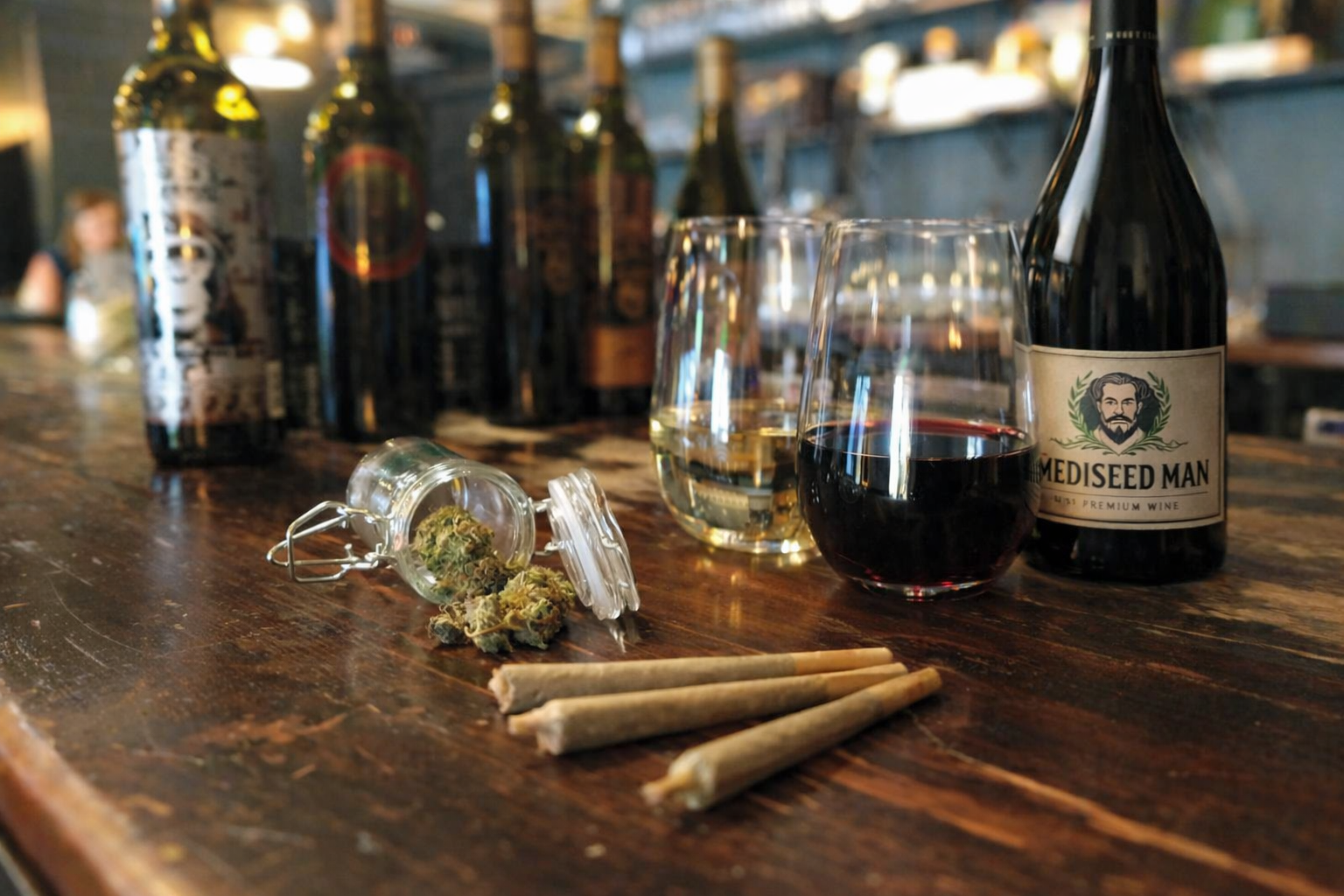
This paper contributes to the sensory analysis of wine and cannabis by examining their shared aromatic chemistry.
Wine and cannabis are complex crops shaped by how and where they are grown, as well as the chemical profiles they develop through cultivation and post harvest handling. Soil, climate, genetics, and processing all influence the aromatic compounds that drive flavour, texture, and perceived quality.
Both products rely on volatile and semi volatile compounds that shape aroma and taste. However, wine is assessed through long established tasting frameworks, while cannabis evaluation remains less formalised. That contrast makes the comparison especially useful.
Beyond identifying shared compounds, this discussion considers whether wine concepts such as body, balance, and intensity can support more consistent methods for evaluating cannabis.
The purpose is analytical rather than prescriptive. The focus remains on chemistry, perception, and cultural development, not on encouraging combined use.
For the policy side of this cultural shift, see our guide to THC driving laws in Australia: detectable vs impaired.
1. Introduction
For much of modern history, wine and cannabis occupied different cultural and legal positions. Over time, however, public attitudes toward both have shifted. In many regions, structured appreciation has replaced stigma with education and regulation.
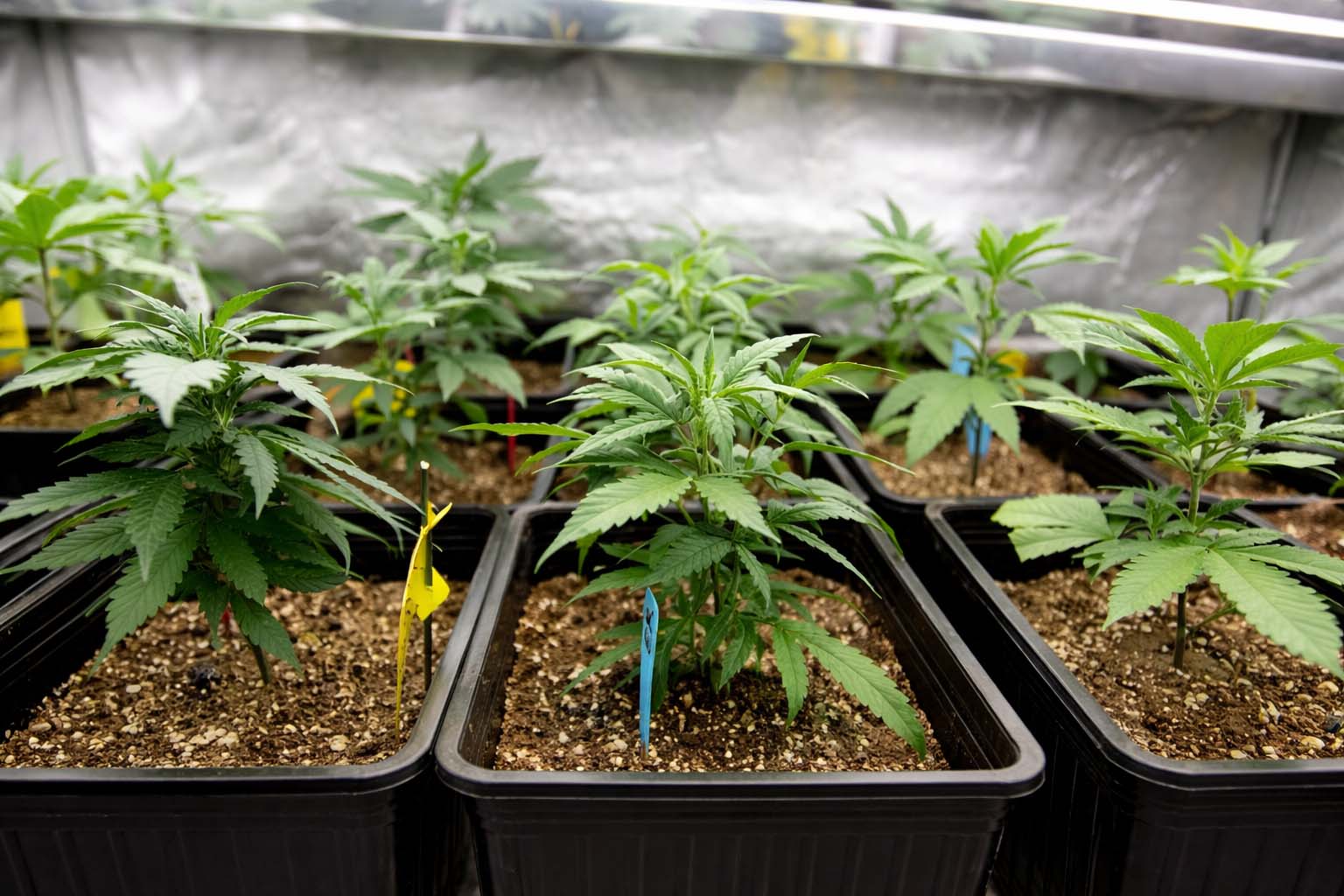
From a sensory science perspective, both products derive their qualities from genetics, growing environment, and handling. In wine, the concept of terroir refers to the influence of soil and climate. In cannabis cultivation, factors such as light exposure, nutrients, and genetic stability shape terpene expression and aromatic development.
This study concentrates on aroma chemistry, perceptual processes, and evaluation models. It does not examine patterns of use. Instead, it asks how two botanically distinct products generate comparable sensory language.
2. Chemical Foundations: Terpenes and Aromatic Compounds
2.1 Terpenes in Wine
Terpenes play an important role in the aroma of many grape varieties. Compounds such as linalool and geraniol often produce floral notes, while alpha-pinene contributes light herbal characteristics. Fermentation, ageing, and climate influence how these aromas develop. As a result, each vintage expresses slightly different aromatic qualities.
2.2 Terpenes in Cannabis
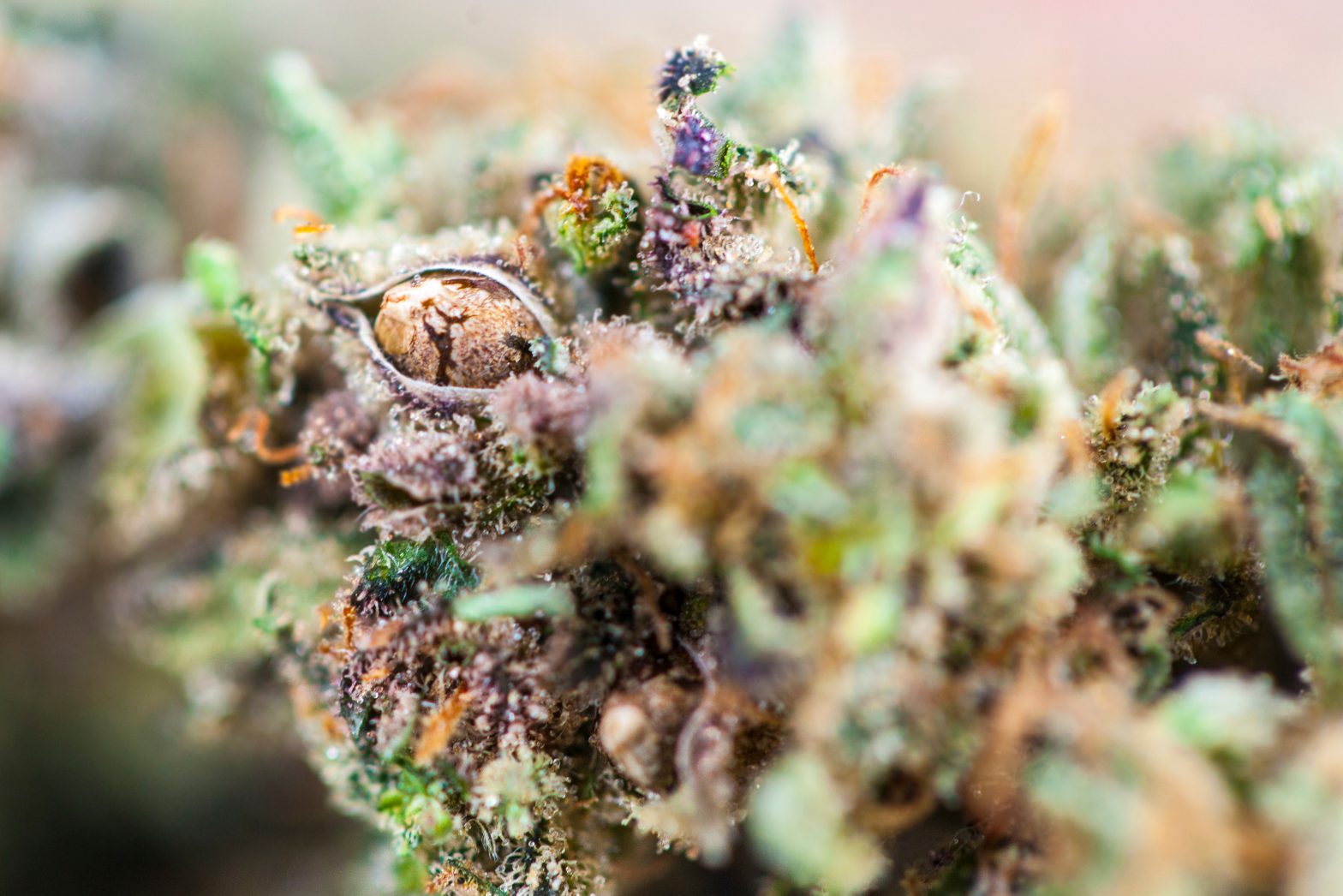
Cannabis plants produce terpenes in small glandular structures called trichomes. These compounds define much of the plant’s scent and influence flavour perception. Common examples include:
- Limonene – associated with citrus brightness.
- Myrcene – often described as earthy or herbal.
- Linalool – contributing floral notes.
- Beta-caryophyllene – known for its pepper-like character.
Terpene compounds do more than create aroma. Researchers suggest they may interact with cannabinoids in ways that influence perceived effects, although this area continues to be studied.
Research on terpene aroma compounds has been widely documented in both viticulture and botanical studies (PubMed research database).
2.3 Shared Aromatic Profiles
Shared terpenes provide a chemical basis for comparison. Alpha-pinene appears in some white wines as well as certain cannabis cultivars. Beta-caryophyllene contributes spicy characteristics in both products. Limonene consistently signals citrus across categories.
Because of these shared compounds, similar descriptive language often appears in both fields. Wine terminology has developed over centuries of structured tasting, whereas cannabis vocabulary remains in development. Comparing the two highlights both similarities and important differences.
3. Wine and Cannabis Sensory Analysis Frameworks
3.1 Wine Sensory Analysis
Wine tasting follows a structured sequence: visual inspection, aroma assessment, palate evaluation, and finish analysis. Tasters consider acidity, tannin, alcohol integration, and body. If one component dominates excessively, balance suffers. When elements work together proportionally, complexity becomes clearer.
3.2 Cannabis Sensory Evaluation
Cannabis is typically evaluated first through aroma. Observers identify dominant terpene characteristics, physical qualities, and—where regulated—laboratory profile data. Some evaluators also consider how perceived effects develop and fade over time.
Although methodologies differ, both disciplines rely on trained perception and consistent vocabulary. Clear description supports reliable evaluation.
3.3 Intensity and Proportion
Intensity influences experience in both domains. A full-bodied red wine produces a heavier sensory impression than a light white. Similarly, terpene-rich cannabis expresses stronger aromatic presence than varieties with lower terpene concentration.
Balance remains essential. In wine, balance reflects harmony among structural components. In cannabis, it refers to how aromatic compounds combine without overwhelming the overall character. In both cases, restraint can be as important as strength.
4. Perception and Interaction
Alcohol alters neurological processing and can heighten certain sensory impressions. Research suggests that alcohol may increase THC absorption when both substances are present, potentially intensifying effects. For this reason, comparative evaluation requires awareness and caution.
Temperature also affects perception. Cooler wine emphasises acidity and freshness, while warmer wine amplifies body and alcohol expression. These variables influence how aromas unfold and how structure is interpreted.
In some regions, cannabis is undergoing a transition toward regulated appreciation. Wine experienced a similar shift historically, leading to classification systems and formal tasting protocols. Today, regulated cannabis increasingly includes laboratory testing, cannabinoid profiling, and terpene analysis.
Cannabis evolution reflects a broader interest in understanding agricultural products through structured assessment.
5. Discussion
Examining wine and cannabis together reveals that their strongest connection lies in chemistry and perception rather than cultural symbolism. Terpenes establish measurable biochemical parallels. Meanwhile, wine’s established evaluation models offer a useful framework for refining cannabis assessment practices.
However, physiological interaction between alcohol and cannabinoids warrants caution. Education and moderation remain essential in any serious discussion of both substances.
6. Conclusion
Wine and cannabis both display complex aromatic profiles shaped by cultivation, environment, and handling. Despite these similarities, their evaluation systems and social roles differ significantly.
Future research in wine and cannabis sensory analysis may further clarify how shared terpenes influence perception.
Controlled comparisons could deepen understanding while maintaining responsible boundaries.
Ultimately, expertise in either field develops through structured study, disciplined evaluation, and thoughtful interpretation—not excess.