6 reviews for Afghan Kush Autoflower
| 5 star | 33% | |
| 4 star | 50% | |
| 3 star | 0% | |
| 2 star | 0% | |
| 1 star | 16% |
Customer Images


Afghan Kush Autoflower
Autoflower Seeds | Indica Cannabis Seeds
Lineage:Â Afghani x Lowryder Ruderalis
Afghan Kush Autoflower Cannabis strain provides authentic Kush genetics with the convenience of automatic flowering. Therefore, the rapid life cycle and reliable performance make it an excellent choice for growers seeking multiple harvests.
$16.00
In stock
What Is Afghan Kush Autoflower Strain?Afghan Kush Autoflower comes from the Hindu Kush mountains, the source of classic hash-making genetics, and is enhanced with ruderalis genetics for automatic flowering. Local growers refined this traditional hash strain for centuries, creating a predominantly indica strain with 18-22% THC potency and a strong, calming effect delivered in a rapid life cycle.
For beginner cannabis seeds that deliver Kush potency without complex Australian cannabis growing seasons, this fast-cycling variant preserves traditional genetics while adding convenience for modern growers.
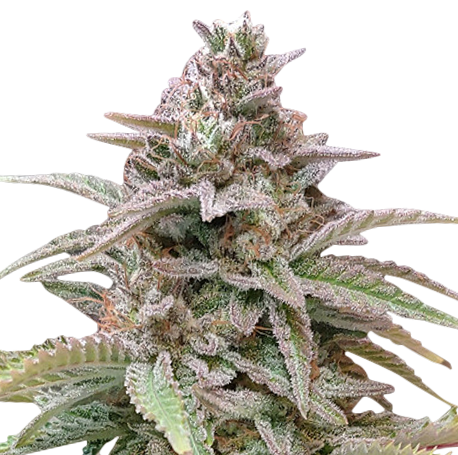
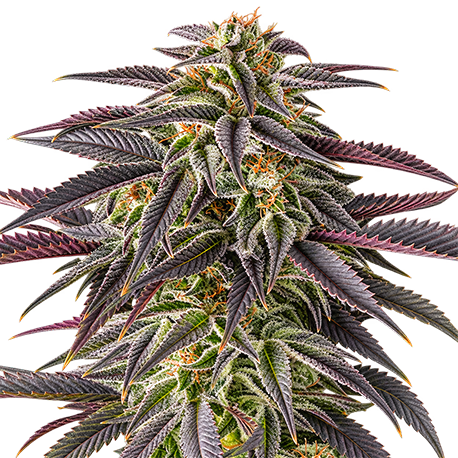
The strain maintains the classic indica plant structure, with dark green, broad leaves and blunt-topped, thick flower formations rich in resin. Afghan Kush Autoflower has become an ideal candidate for producing charas, hash oil, and concentrates in a fraction of the time required by traditional photoperiod feminised strains. Its stable genetics, landrace heritage, and automatic flowering traits make it particularly valuable for growers seeking authentic genetics with proven performance.
Afghan Kush Autoflower stands as an evolution of the foundation strain in cannabis cultivation — offering growers a direct connection to centuries of traditional refinement in hash-making regions while embracing modern breeding innovations that eliminate light cycle complexity. Its rapid life cycle, consistent performance, and resin production continue to make it a practical choice for both medical users and extract producers.
Afghan Kush Autoflower Strain GeneticsAfghan Kush Autoflower originates from landrace varieties cultivated in the valleys along the Amu Darya River, enhanced with ruderalis traits from northern latitudes. This hybrid cannabis seed combines the traditional Afghan Kush genetics with automatic flowering characteristics derived from Cannabis ruderalis.
The auto genetics typically result in:
Afghan Kush Autoflower’s landrace and ruderalis genetics provide natural hardiness and resilience. Generations of harsh mountain conditions and northern-latitude adaptation have shaped a sturdy plant that requires little expertise, and its automatic flowering significantly simplifies cultivation. Understanding the seven stages of cannabis plant growth helps growers appreciate how autoflowers progress differently from photoperiod strains.
For growers, these genetics translate to reliable performance in a compact timeframe. Afghan Kush Autoflower completes its entire life cycle from seed to harvest within 10-12 weeks. The plant stays compact at 60-100cm, fitting well in limited vertical spaces for indoor cannabis seeds, and performs robustly in various environmental conditions for outdoor cannabis seeds.
Afghan Kush Autoflower Strain EffectsAfghan Kush Autoflower delivers the powerful sedating effects and heavy resin content of the original landrace. Users often select it for relief after demanding days, appreciating its ability to promote deep relaxation and what growers sometimes describe as a do-nothing state. While THC potency may be slightly lower than feminised versions (18-22% vs 20-25%), the effects remain consistent with traditional Kush expectations.
In practical terms, Afghan Kush Autoflower typically appeals to people seeking:
By contrast, it generally does not suit users seeking energetic, creative, or uplifting daytime effects. Those who choose Afghan Kush Autoflower often prefer evening use or situations where relaxation and stillness are the primary goals.
It’s worth noting that effects vary by individual cannabis phenotypes and personal tolerance; most users report primarily sedating effects. While rare traits or terpene profiles may cause small changes, most user reviews say Afghan Kush Autoflower is very sedating. It is not known for boosting creativity. Dose also matters a lot. Users interested in THC microdosing techniques should start with mild to moderate doses, which may bring relief, happiness, and a sense of calm. Higher doses increase sedation and may cause dry mouth, dry eyes, or dizziness.
Individual tolerance, harvest timing, and curing quality all shape the final experience. Afghan Kush Autoflower can help treat migraines, traumatic stress, and various forms of discomfort when used thoughtfully. As a predominantly indica strain with strong Kush genetics, it delivers consistent effects aligned with traditional expectations — settling rather than racing, grounding rather than elevating.
Afghan Kush Autoflower Strain Aroma & TasteAfghan Kush Autoflower carries the distinctive aroma profile rooted in its landrace heritage. The fragrance combines earthy funk with subtle tropical notes reminiscent of oranges and mangoes, overlaid with pine and herbal elements. When grown, it fills gardens or indoor spaces with pungent, resinous scents characteristic of traditional indica varieties.
Commonly noted aromatic traits include:
The flavour profile tends to be mild rather than bold. Most users describe Afghan Kush Autoflower as having a subtle, even somewhat bland taste with whispers of fruit on the exhale. Those expecting intense flavour complexity may find it understated compared with modern dessert-style hybrids.
This subtlety reflects its traditional indica character. Afghan Kush Autoflower prioritises resin production and strong effects over flavour intensity. This aligns with its primary use in hash and extract production, not premium flower. Proper curing can bring out more aroma. Still, it stays straightforward and unpretentious. It is not a complex terpene showcase.
For growers interested in enhancing cannabis aroma and flavour or maximising terpenes for better taste, careful cultivation techniques can help develop Afghan Kush Autoflower’s aromatic potential. Some growers also report success when feeding cannabis plants molasses during late flower for improved sweetness. Understanding what terpenes are and how they work helps explain why some strains develop richer aromas than others.
Growing Afghan Kush Autoflower StrainAfghan Kush Autoflower offers one of the most straightforward growing experiences available, combining traditional Kush genetics with the simplicity of automatic flowering. As one of the most accessible, easy-to-grow cannabis strains, it develops into compact cannabis plants that complete their entire growth cycle from seed to harvest within 10-12 weeks with minimal care required. The predominantly indica genetics are reliable and predictable, making it suitable for beginners and experienced growers alike.
In general, Afghan Kush Autoflower rewards growers who:
Its resilience and adaptability make it a practical choice for growers with limited time or space following Australian cannabis grow calendars. However, autoflower seeds have specific needs around training timing (limited to 3-4 weeks), cannabis nutrient management, and light stability, which growers should anticipate.
For those starting from seeds, understanding proper cannabis seed germination methods and avoiding common mistakes when germinating cannabis seeds sets the foundation for success. Comparing clones versus seeds for growing the best cannabis helps explain why starting from seeds is essential for autoflowers.
Afghan Kush Autoflower suits indoor growers in Australia because its compact structure fits well in tents and smaller spaces. Its autoflowering genetics respond well to controlled setups. This makes it practical for growing cannabis indoors in Australia all year, in any season. Indoors, Afghan Kush Autoflower stays compact and manageable for smaller grow spaces.
Useful indoor strategies include:
Because autoflowers don’t require photoperiod changes, maintaining consistent light schedules is crucial. Sudden changes to the n light schedules can stress the plant. Steady 18-20-hour light cycles throughout the entire life cycle produce the best results. Autoflower growers can learn about light schedules. Read about finding the perfect light schedule for autoflower plants. It offers detailed guidance.
Because Afghan Kush Autoflower develops thick, resinous buds in tight formations, humidity control remains important in flower. A canopy can look healthy yet still trap damp air in some spots. Steady air extraction and circulation help keep the plant clean until harvest. Understanding how to prevent cannabis heat stress also helps maintain optimal growing conditions.
Growers using training methods to open the canopy may benefit from reading about the Screen of Green (SCROG) technique, or from understanding why and when to prune cannabis plants. For comprehensive guides on indoor cannabis growing in Australia, these resources complete the picture.
Outdoors, Afghan Kush Autoflower can reward Australian growers with multiple harvests. in warm regions. Its fast life cycle and automatic flowering genetics give it natural strength in harsh conditions. This makes it a good fit for outdoor cannabis seed growers who want quick, low-maintenance strains.
For outdoor success when growing cannabis in Australia, focus on:
Afghan Kush Autoflower’s fast life cycle enables multiple outdoor harvests in a single season. With careful planning, Australian growers can achieve 3-4 harvests per year in warm climates by following the Australian cannabis grow calendar. This advantage makes it particularly appealing for those seeking continuous production without complex light management.
Afghan Kush Autoflower’s hardy nature means it thrives with organic growing methods. Having adapted over generations to mountain conditions and bred for resilient ruderalis traits, cannabis can benefit from the best companion plants for cannabis, further enhancing its outdoor resilience through natural pest deterrence.
However, growers in very humid coastal areas should watch plants closely during late flowering. Dense buds can trap moisture. Where seasonal pressure matters, learning how to protect your outdoor cannabis grow and how to detect and prevent bud rot mould suits this strain well.
For comprehensive guidance on growing cannabis outdoors in Australia, understanding sunlight requirements for cannabis growth and how to identify and fix root-bound cannabis plants is essential for maximising outdoor performance. Those growing on balconies may also benefit from guidance on how to grow weed on a balcony.
Afghan Kush Autoflower performs well with a balanced, moderate feeding approach. As a predominantly indica strain with automatic flowering traits, it doesn’t require aggressive nutrient programs to produce quality resin. In fact, lighter feeding often produces better results than pushing the plant hard.
A sensible approach usually includes:
Understanding how water and nutrients move through plants via osmosis explains why proper watering and drainage are crucial. Meanwhile, maintaining correct pH levels when growing cannabis is essential for optimal nutrient uptake.
Overfeeding remains one of the more common mistakes with autoflower strains. Because the plant moves quickly through its growth cycle, nutrient problems compound faster. Some assume more resin means the plant needs more feeding, but extra nutrients often stress it and reduce quality. Similarly, constantly wet media can limit oxygen in the root zone, slow development, and create avoidable problems. Understanding how to recognise overwatered cannabis plants helps avoid this common issue.
Afghan Kush Autoflower responds best to predictability. When growers keep conditions steady, plants usually grow evenly. They also often produce lots of strong resin. Growers should avoid sudden extremes in environment or feeding.
Understanding common cannabis nutrient issues helps prevent problems before they affect yield.
Learn to identify and treat.
Afghan Kush Autoflower is rated as easy for beginner cannabis seeds, but a few mistakes can unnecessarily reduce quality or yield.
Autoflowers have a short vegetative period of only 3-4 weeks. Failing to complete training early can stress the plant or reduce yields. Plan training, such as how to use the super cropping technique during weeks 2-3 of growth.
Heavy nutrient programs can quickly damage autoflowers due to their rapid life cycle. Autoflower cannabis feeding schedules typically require lighter, more frequent applications rather than heavy, infrequent doses. Understanding whether a cannabis feeding schedule is beneficial helps plan proper nutrition.
Dense indica buds trap moisture internally. High humidity during late flowering significantly increases the risk of mould. Learning how to detect bud rot mould on cannabis buds provides practical prevention strategies.
Afghan Kush Autoflower’s full resin development peaks around week 10-11. Cutting early reduces potency and hash-making potential. Trichome inspection remains the best indicator of harvest timing.
Autoflowers prefer to remain in their final container from germination. Using the complete cannabis transplanting guide helps understand why transplanting causes stress that can stunt growth and reduce yields. Plant directly in the final pot whenever possible.
Sudden changes in light cycle confuse autoflower genetics. Maintaining consistent light hours (typically 18-20) throughout the entire life cycle for best results helps avoid why is my cannabis not flowering properly issues.
For growers starting with seeds, understanding how to fix cannabis seedling problems early prevents issues from compounding. Learning to recognise the signs of why my cannabis leaves are drooping helps catch problems before they impact yield.
Afghan Kush Autoflower Strain Flowering and YieldAfghan Kush Autoflower completes its life cycle within a rapid 10-12 week period from germination to harvest. The automatic flowering trigger activates after 3-5 weeks of vegetative growth, causing the plant to transition to bloom regardless of light schedule. Unlike feminised photoperiod varieties, autoflowers don’t require precise photoperiod management — they flower automatically based on age and maturity.
In ideal conditions, Afghan Kush Autoflower can produce respectable yields for its compact size and short life cycle. For instance, indoor cultivation can ideally yield 150-250g per plant or 400-500g/m² with proper light intensity and environmental control. Moreover, outdoors in warm climates, experienced growers report up to 300g per plant with optimal conditions.
The plant’s rapid life cycle, enhanced by ruderalis genetics, allows growers to achieve multiple harvests per year. Therefore, indoor growers can cycle through 3-4 harvests annually. Additionally, outdoor growers in warm Australian climates can achieve multiple harvests in a single season by following Australian cannabis grow calendars, significantly increasing total annual production.
The plant’s sturdy nature, honed over generations of mountain adaptation and selective breeding, ensures reliable production even with minimal expertise. However, skilled growers can significantly boost output through techniques such as optimal pot sizing, consistent lighting, and gentle training limited to the early vegetative period. Consequently, for growers focused on avoiding and fixing airy cannabis buds, understanding compact plant optimisation is essential.
It’s worth noting that Afghan Kush Autoflower prioritises resin quality and traditional Kush characteristics over maximum raw output. While yields are respectable for an autoflower, the strain’s value lies in its hash-making potential, rapid cycle time, and authentic genetics rather than competing with feminised strains for flower weight.
Who Afghan Kush Autoflower Strain Suits BestAfghan Kush Autoflower suits growers who want classic Kush traits in a faster, simpler format. Furthermore, its automatic-flowering traits and resilience make it particularly appealing in specific situations.
It is often a strong fit for:
Afghan Kush Autoflower delivers traditional Kush effects without requiring extensive technical knowledge or precise light management. Consequently, its accessibility makes it an excellent choice for those newer to cultivation, anyone seeking reliable, predictable performance, or growers wanting quick turnaround times.
For growers exploring options, beginner cannabis seeds include Afghan Kush Autoflower alongside other accessible strains. Additionally, growers interested in automatic flowering can browse the broader autoflower seeds collection for additional varieties suited to Australian conditions.
Who Afghan Kush Autoflower Strain May Not SuitAfghan Kush Autoflower may not be the ideal choice in certain situations:
Growers seeking sativa effects or daytime functionality, since this strain leans heavily toward sedation and relaxation. If you prefer uplifting daytime strains, sativa cannabis seeds may be more suitable.
Cultivators chasing maximum yields per plant — autoflowers typically produce less than feminised photoperiod strains, but offer multiple harvests per year. As a result, if single large harvests are preferred, Afghan Kush Feminised may be more suitable.
Those wanting complex terpene profiles — Afghan Kush offers earthy, traditional aromas rather than modern dessert-style complexity.
Growers who enjoy extensive training, topping, or cloning — autoflowers have limited vegetative periods and don’t respond well to aggressive manipulation or cloning.
Outdoor growers in very humid coastal regions — dense buds require dry conditions to finish cleanly.
Users seeking creative, energising effects — most users report primarily sedating effects; while rare phenotypes may produce nuanced variations, this is not the typical experience.
Growers who enjoy managing light cycles for precise control — autoflowers eliminate this aspect and flower automatically, which some growers find limiting.
Recognising these limitations helps you match the right genetics to your specific environment and goals. Afghan Kush Autoflower performs exceptionally well at what it does — traditional Kush traits, hash-making potential, and rapid cycling — but it isn’t designed to be everything to everyone.
| 5 star | 33% | |
| 4 star | 50% | |
| 3 star | 0% | |
| 2 star | 0% | |
| 1 star | 16% |
Customer Images


Afghan Kush Autoflower
Good yield and quantity
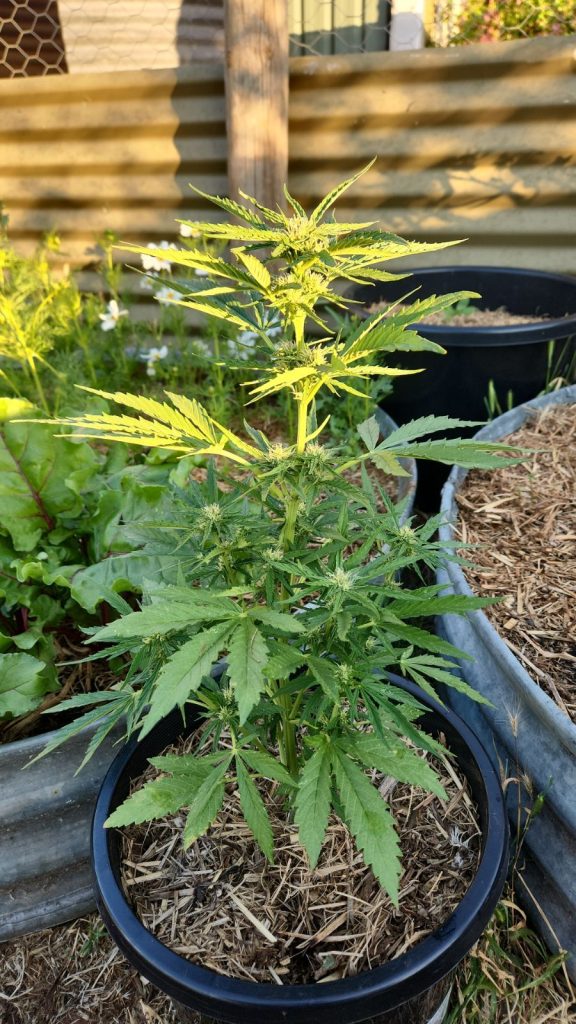
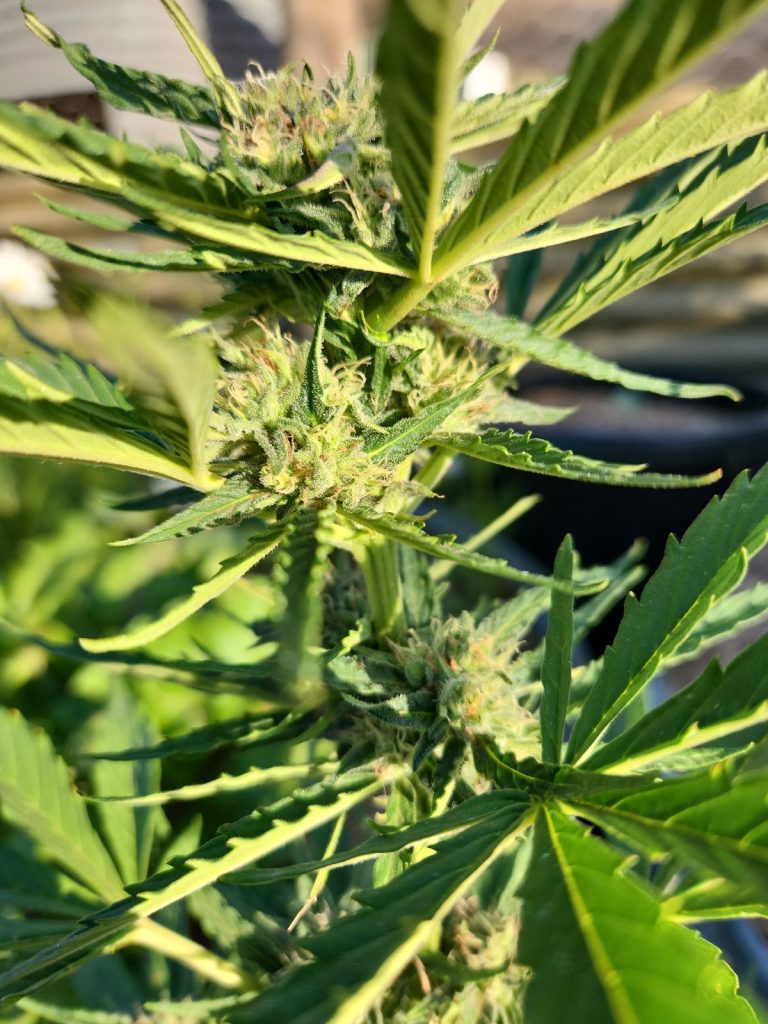
All seeds fired. Grew strong and fast but was nice and compact which was good as I had to stealth it.
Nice
Not good germination results
Great
5 seeds and none germinated. Followed the mediseedman advised process
Please check your email. All seeds are being replaced 😉