12 reviews for Afghan Skunk Feminised
| 5 star | 83% | |
| 4 star | 0% | |
| 3 star | 16% | |
| 2 star | 0% | |
| 1 star | 0% |
Customer Images


Afghan Skunk Feminised
Beginner Cannabis Seeds | Feminised Seeds
Lineage: Afghan Kush x Super Skunk
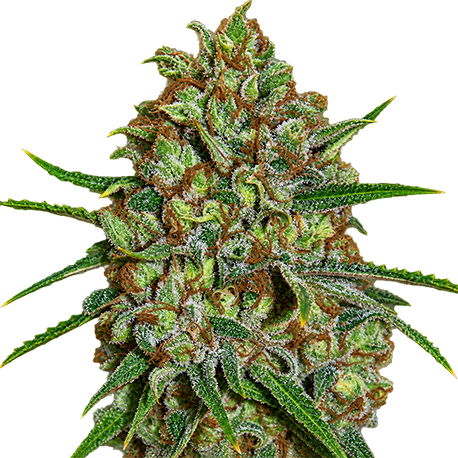
Afghan Skunk Feminised is a classic hybrid. It combines legendary Afghani landrace genetics with the renowned potency of Skunk #1. What makes this combination fascinating is not only what each parent contributes but also how traits manifest during the plant’s growth.
$16.00
In stock
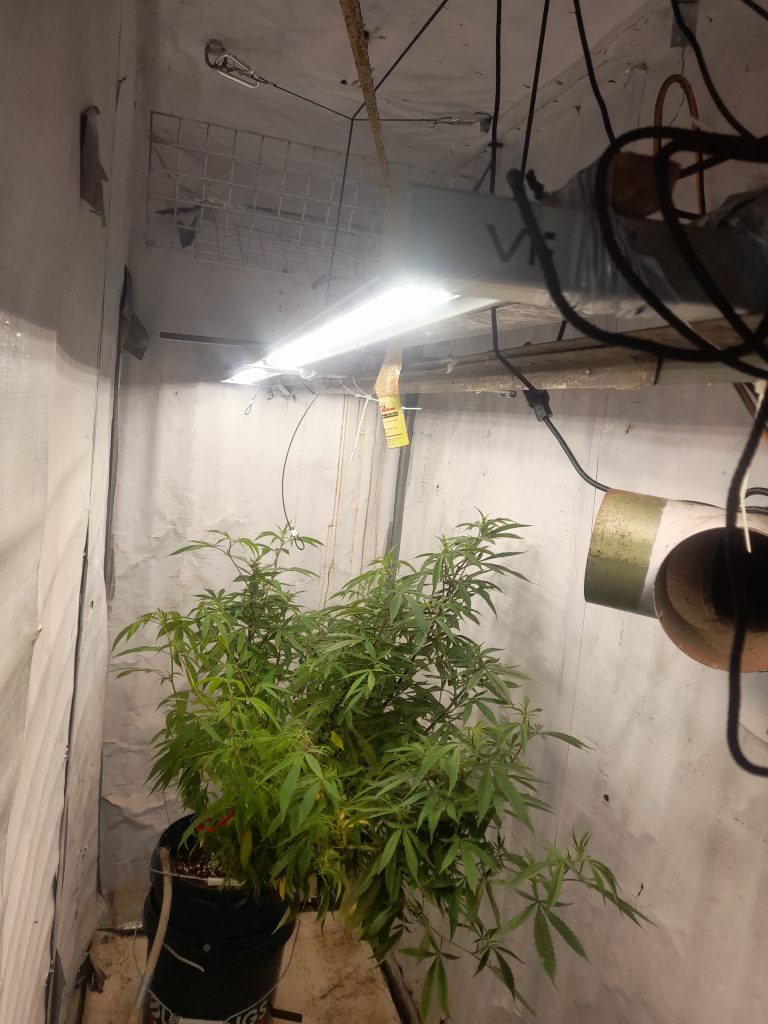
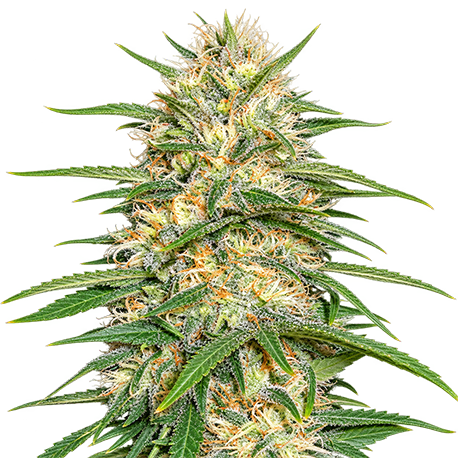
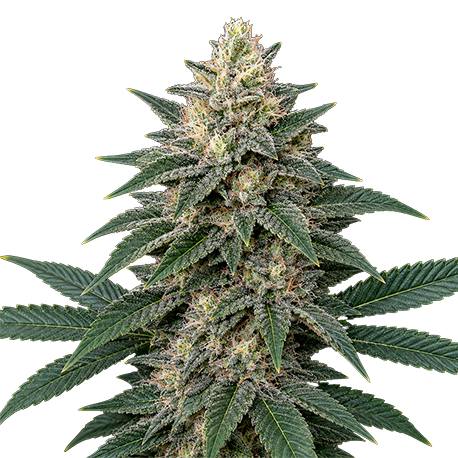
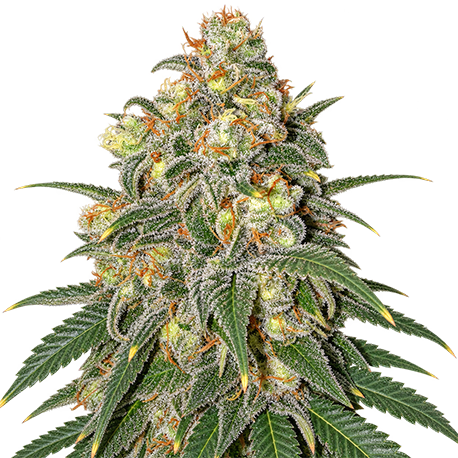
What Is Afghan Skunk?Afghan Skunk displays classic indica morphology with compact indoor plants reaching 60-100cm. Broad leaflets don’t require intense light penetration, making the strain suitable for limited vertical space. The bushy structure supports numerous side branches and multiple bud sites across the plant rather than concentrating growth in a single main cola. These broad indica leaves capture light efficiently even in lower-light conditions. The shorter eight-week flowering cycle reduces exposure time to pests and diseases compared to slower-maturing strains, effectively balancing yield, potency, and ease of growth.
Afghan Skunk represents foundational genetics that shaped modern cannabis breeding. Its Afghani parent comes from Hindu Kush landrace strains perfected for hashish production, whilst Skunk #1 emerged from 1970s breeding programmes, contributing stability and predictability to countless offspring. Many modern heavy-hitters trace their genetics through these foundational lines. Unlike contemporary strains chasing extreme THC or exotic terpenes at the expense of plant health, Afghan Skunk prioritises fundamentals: solid structure supporting good yields, predictable flowering times, and satisfying effects. This reliability makes it a dependable choice that collectors return to year after year.
Afghan Skunk GeneticsCrossing Afghani landrace genetics with Skunk #1 created stable, reliable genetics that exceed the sum of their parts. Skunk #1 itself contains Afghani ancestry alongside Mexican Acapulco Gold and Colombian Gold, meaning Afghan Skunk reinforces that Afghani component whilst amplifying legendary Skunk characteristics. This genetic architecture creates stability that responds predictably to cultivation challenges. Skunk varieties earned their reputation through remarkable consistency across environments — genetic work that went into stabilising these lines allows Afghan Skunk to perform reliably. Afghani genetics contribute specifically: they evolved to produce unusually dense resin glands under challenging conditions, explaining the traditional favouring of Afghan strains for hashish production.
Afghan Skunk typically presents as an indica-dominant hybrid, with breeders positioning it approximately 80% indica to 20% sativa. The Afghani contribution dominates physical structure, whilst Skunk genetics influence yield potential and aromatic complexity. Chromosome stability in feminised seeds shows good uniformity — plants from the same pack maintain similar growth patterns and harvest windows.
The heterozygosity between Afghan and Skunk components creates interesting phenotype possibilities. Some expressions lean more Afghani — shorter stature, broader leaves, denser colas, and sedative effects. Others lean Skunk — slightly taller growth with sweeter, more complex aromatics and marginally more uplifting onset. This phenotypic diversity allows growers to select mother plants expressing desired characteristics and offers interesting breeding possibilities.
Afghan Skunk EffectsOnset brings mental clarity and a mild, uplifting quality that initially supports conversation, creative activities, or focused tasks. This phase lasts 30 minutes to an hour, depending on metabolism and the method of consumption. Gradually, Afghan influence becomes more prominent as physical relaxation deepens. Body effects don’t couch-lock immediately but gradually increase, eventually settling into a heavy relaxation that can promote sleep. That transition period — where mental stimulation gives way to physical relaxation — provides flexibility for different activities without locking users into a single extreme experience. Effects typically last 2-4 hours, standard for THC-rich strains. The comedown tends to be smoother than strains that drop off sharply or leave mental fog, with a gradual transition from onset to peak to comedown. Body relaxation often lingers longer than mental effects, making it popular for evening wind-down rituals. The 15-20% THC range with balanced effects provides a safer entry point into stronger cannabis without anxiety that sometimes accompanies ultra-potent varieties.
Individual dose response varies significantly with Afghan Skunk. The 15-20% THC range suggests moderate-high potency, but what matters most is how it affects each user. Beginners might find one or two inhalations provide noticeable effects, whilst experienced consumers with higher tolerance might require more substantial dosing. The biphasic nature — initial mental activity followed by body relaxation — means different dosing levels serve different purposes. Lower doses might support daytime tasks or social activities where mental clarity predominates. Higher doses emphasise sedative effects on the body, making them suitable for evening or situations where physical relaxation is the goal.
Some users practice THC microdosing with Afghan Skunk to access mild mental effects without triggering significant body sedation. Taking very small amounts provides slight mental stimulation and mood elevation without substantial body heaviness. As the dosage increases, the body effects become more pronounced. This dose-dependent variation partly explains why opinions differ on whether Afghan Skunk functions as a daytime or evening strain — it genuinely responds differently depending on the amount consumed. The strain initially leans slightly toward stimulant qualities before settling into depressant territory as effects mature.
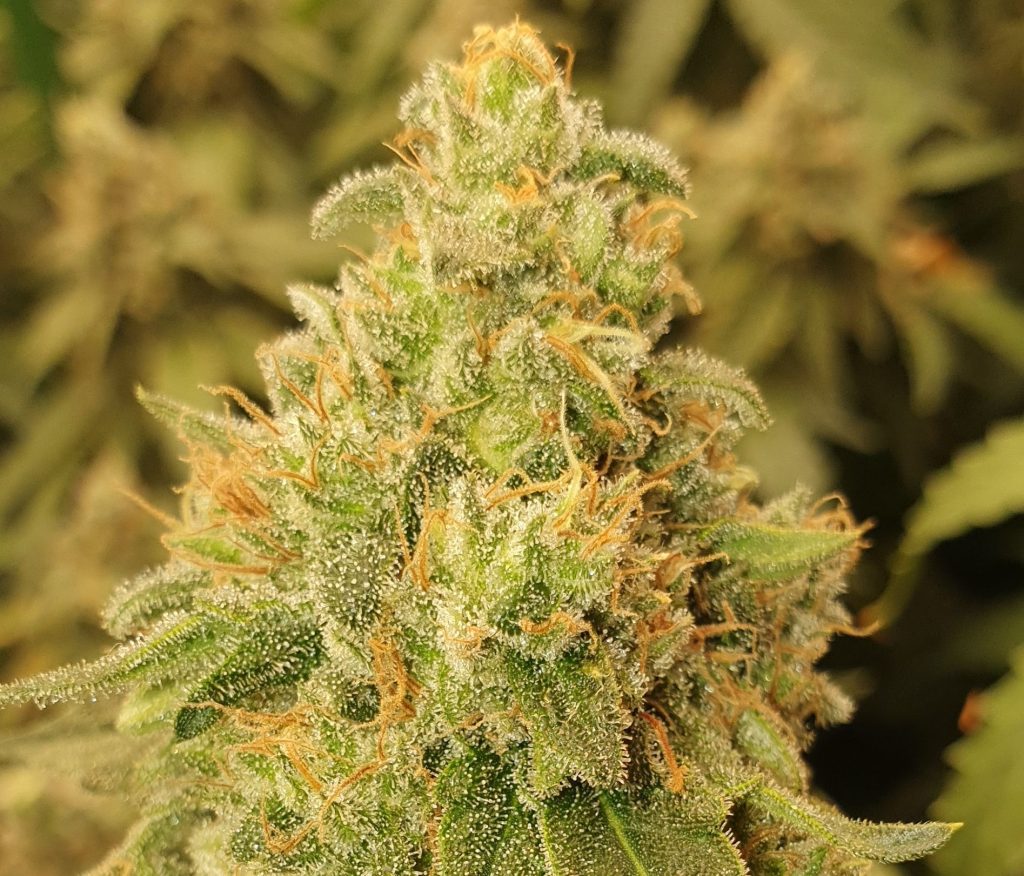
Afghan Skunk Aroma & TasteThe most immediate characteristic is skunky, which gives the strain its name. This isn’t a subtle background scent — it’s the primary olfactory impression dominating fresh and cured flowers, explaining why many high THC indicas in the Skunk family require serious carbon filtration when grown indoors. Behind that initial pungent punch, Afghan earthiness provides depth — more like damp soil mixed with herbal notes and sometimes a subtle woody character associated with hashish from traditional Afghan sources.
Many phenotype expressions show secondary aromatic layers beyond these primary components. Fruity notes reminiscent of berries or citrus appear in some plants. Spicy notes like peppercorn, clove, or kitchen spice qualities show up in others. The relative prominence varies between individual plants even within the same seed bank’s line, reflecting genetic diversity that occasionally expresses itself despite feminised seed line stability. This aromatic complexity serves as an identity marker — experienced consumers can recognise Afghan Skunk by the distinctive combination of skunk intensity, earthy depth, and variable sweet/spicy highlights.
Flavour profile largely mirrors that of the Roma, with important differences revealed by smoking or vaporising. Initial impression confirms what the nose detected — unmistakable skunk character dominates the first few draws. However, flavour complexity often reveals more fully on exhale or subsequent sessions. Afghani earthiness becomes more prominent on the palate than in the ambient scent, providing a foundation that makes smoke feel substantial rather than thin, with rich soil mixed with herbal complexity reminiscent of certain hashish flavours. It carries weight and depth that many users appreciate. Secondary notes in aroma sometimes become more pronounced in flavour. Fruity expressions might show berry sweetness on exhale. Spicy phenotypes might carry pepper heat through aftertaste. These flavour variations provide diversity within fundamentally Afghani-Skunk architecture. Smoke quality typically runs smooth rather than harsh — Afghan Skunk generally allows larger inhalations without immediate coughing fits, which matters for medicinal or social use. Whilst the flavour profile doesn’t match modern dessert strains explicitly bred for flavour complexity, it delivers substantial, nuanced experiences rooted in classic cannabis character.
Growing Afghan Skunk SeedsAfghan Skunk rewards growers valuing consistency over occasional spectacular performance. It delivers reliable, relatively consistent performance from grow to grow rather than producing one legendary yield followed by mediocre harvests. This predictability has genuine value for commercial growers who can’t afford production schedule variability and for medical users who require reliable access to consistent medication. The strain also rewards growers’ patience with early-flowering stretch. Afghani genetics sometimes exhibit rapid initial elongation at the onset of flowering. Yet, Afghan Skunk typically settles into a reasonable height after that stretch, especially when topped or trained. Those who don’t overreact to normal flowering stretch find plants respond well and produce excellent yields. Afghan Skunk’s tendency to develop multiple productive branches supports Sea of Green and Screen of Green methods when training starts early enough. The combination of resilience, consistency, and reasonable responsiveness to training makes Afghan Skunk genuinely forgiving of grower mistakes whilst still responding positively to skilled cultivation.
Afghan Skunk makes a practical choice for multiple growing situations. The moderate eight-week flowering time positions it toward the faster end of the photoperiod spectrum, whilst giving growers control over vegetative duration. The moderate plant height suits both indoor tents with height limitations and outdoor gardens where massive plants draw unwanted attention. Yield-to-effort ratio proves favourable — achieving 400-500g per square metre indoors doesn’t require advanced techniques or commercial-grade equipment. Yields remain consistently respectable without extraordinary inputs.
For Australian growers, practical advantages extend to climate compatibility. Afghani ancestry provides decent heat tolerance, whilst Skunk genetics contribute wind resistance and overall resilience. The relatively fast eight-week flowering reduces exposure to late-season bud rot pressure plaguing longer-maturing varieties in humid Australian autumn weather. This combination of moderate flowering time, reasonable height, good yields, and climate resilience delivers solid results without demanding perfect conditions or expert-level cultivation skills.
Indoor cultivation allows environmental control. With light control, temperature management, and humidity regulation, Afghan Skunk performs well in grow tents or dedicated rooms. Moderate height requirements suit tents with limited vertical clearance, provided growers anticipate natural stretching when flowering begins. Plants topped or trained during vegetative growth manage that stretch more effectively. Optimal PAR levels largely mirror general cannabis requirements. During vegetative growth, maintaining PPFD levels between 400 and 600 supports healthy development. During flowering, increasing PPFD to 600-900 µmol m^-2 s^-1 drives resin production and bud density. Afghan Skunk’s tendency to develop multiple branches means lower bud sites benefit significantly from good light penetration.
Several proven indoor strategies work effectively with Afghan Skunk’s growth characteristics. Sea of Green (SOG) methods suit the strain, as plants grow at high density with minimal vegetative time before triggering flowering. Screen of green (SCROG) techniques work effectively once growers account for the initial flowering stretch — setting up screens during early vegetative growth and weaving branches through them creates an even canopy, maximising light exposure. Topping performed once or twice during vegetative growth helps manage height whilst encouraging lateral branching. Critical timing allows enough recovery time between topping and flowering initiation. Low-stress training (LSI) is effective throughout vegetative growth but must be completed before flowering begins, ins or minimised during the early stretch phase. These training techniques significantly increase yield potential by exposing more bud sites to direct light.
Afghan Skunk, as a photoperiod strain, responds predictably to light cycle manipulation. The standard indoor approach involves 18-20 hours of light during vegetative growth before switching to 12 hours on/12 hours off to trigger flowering. Afghan Skunk doesn’t require excessive vegetative time to perform well, allowing growers to balance vegetative duration against height restrictions and production goals. Growers who prefer shorter vegetative periods of 2-3 weeks keep plants shorter, maximising plant density in space. Others extending vegetative growth to 4-6 weeks result in larger plants that produce higher individual yields despite fewer plants. Afghan Skunk works reasonably well with either approach. The relatively short eight-week flowering period means vegetative duration choices don’t significantly extend the total cycle time.
Outdoor cultivation brings different opportunities and challenges. When conditions align — adequate sunlight, reasonable temperatures, manageable humidity during flowering — outdoor plants often outperform indoor counterparts in both yield and scale. Indoor plants typically reach 60-100cm, whilst outdoor plants have been documented reaching heights up to 300cm under favourable conditions. This dramatic size difference reflects unrestricted root development and natural light patterns. Yield increase can be equally impressive — whilst 400-500g per square metre indoors represents solid performance, outdoor plants in suitable climates have been reported producing up to 900g or more per plant.
Afghani ancestors protect against heat stress, whilst Skunk genetics contribute overall resilience. The relatively fast eight-week flowering timing offers advantages across Australian growing regions — plants complete cycles before late-season weather complications threaten harvest security. The combination of size potential, yield capacity, and reasonable flowering duration makes outdoor Afghan Skunk attractive where climate conditions support development.
Several specific factors influence outdoor success. Location selection proves crucial — plants need at least 6 hours of direct sunlight daily, with 8 or more substantially improving development and yield quality. Wind exposure requires consideration — Afghan Skunk possesses decent wind resistance, but extreme wind locations still cause physical damage. Soil preparation matters significantly outdoors — ensuring adequate drainage, appropriate pH levels, and adequate initial nutrient availability sets plants up for the growing season. The timing of outdoor planting makes a massive difference in outcomes. In most Australian regions, planting after frost danger passes allows plants to establish strong root systems before summer heat peaks. Afghan Skunk’s relatively short flowering window offers scheduling flexibility that longer-maturing strains don’t enjoy.
Afghan Skunk provides multiple harvest opportunities within a single growing season for growers in appropriate climates. Because it’s not an autoflower, outdoor plants can be scheduled via light-cycle manipulation when conditions permit healthy development. Warm-climate growers can potentially run multiple cycles — planting early for early-season harvest, then running another round through summer/fall conditions. The relatively moderate eight-week flowering duration supports multiple harvest approaches. Some growers leverage this by staggering plantings every few weeks, creating rolling harvest schedules. Others plant single major crops timed to ripen during ideal autumn weather for maximum quality. Others run early-season crops specifically for hash production whilst planning second crops targeting flower quality. The flexibility photoperiod genetics provide creates these strategic options.
Afghan Skunk Flowering Time and YieldYield potential depends on optimisation but falls within consistently achievable ranges rather than requiring extreme measures. Indoor yields of 400-550g per square metre represent realistic expectations for growers applying proper techniques. These yields come from relatively compact plants that don’t require excessive vertical space or massive electrical consumption. For outdoor growers, yield potential varies dramatically by climate and season but frequently reaches impressive heights under suitable Australian conditions. Reports of 900g or more per plant from well-grown outdoor Afghan Skunk aren’t uncommon, though yields of 500-700g per plant probably represent more typical good performance. The outdoor yield advantage stems largely from unrestricted root development and natural lighting patterns supporting larger plant structures. The combination of generous yield potential, indoor accessibility, and outdoor performance makes Afghan Skunk versatile across cultivation methods.
The eight-week flowering period delivers multiple strategic advantages. Faster flowering allows more harvest rotations per year for indoor growers. Complete cycles from germination to harvest typically finish within 12-14 weeks, including reasonable vegetative time, enabling 3+ harvests per year compared to 2-3 harvests with longer-flowering strains. That additional harvest per year makes meaningful differences in total annual production. For outdoor growers, the advantage involves reduced exposure to late-season complications. Rapid flowering means harvests typically complete before the worst humidity patterns or temperature drops arrive in many Australian regions. The THC potency of 15-20% develops fully within that eight-week window. Faster flowering also suits growers coordinating harvest timing with personal schedules or legal frameworks. The combination of reasonable yields, full potency development, and faster completion prioritises reliable completion over maximum size.
Reliability matters more than maximum potential. Afghan Skunk delivers consistently across different growing environments and experience levels, producing predictable results that don’t vary dramatically from cycle to cycle. This reliability allows growers to plan with confidence, knowing Afghan Skunk will behave within established parameters. When maximising output, optimisation focuses on fundamentals. Environmental parameters stay within recommended ranges. Nutrient programs follow moderate, consistent patterns. Training techniques employ established approaches. The pattern emphasises consistency and fundamentals over novelty or aggressive inputs. Afghan Skunk performs optimally on solid fundamentals rather than experimental intensity.
Who Afghan Skunk Seeds Suit BestThe ideal Afghan Skunk grower values consistent results over occasional spectacular performance, appreciating genetics that behave predictably from cycle to cycle, allowing technique refinement through repeated experience. They have at least basic knowledge of cannabis cultivation and an understanding of fundamental principles such as light requirements, nutrient needs, and environmental parameters. They likely grow for personal use rather than commercial scale, valuing quality alongside yield rather than chasing weight as the sole metric.
These ideal candidates often include medical users seeking consistent medicine they can rely on, collectors adding proven genetics to their library, or experienced growers maintaining reliable workhorse strains alongside experimental projects. They’re less likely to chase every new hyped strain and more likely to build foundational collections based on genetics with established track records.
Afghan Skunk accommodates a broad range of experience, positioning itself as genuinely accessible whilst still offering complex,y rewarding cultivation knowledge. Complete beginners can achieve successful first grows with Afghan Skunk, provided they research cultivation fundamentals and apply principles consistently. The strain’s moderate requirements mean small mistakes are more forgiving than delicate varieties crashing from minor errors. However, it’s not foolproof — a basic understanding of light, nutrients, environment, and timing remains essential. Experienced growers find Afghan Skunk increasingly rewarding as they develop refined approaches optimising strengths whilst minimising weaknesses. Advanced techniques such as SCROG, mainlining, sophisticated nutrient programs, and precise environmental control yield demonstrably better results in experienced hands. The strain responds positively to optimisation without requiring extreme measures, offering satisfying progression for growers building expertise.
Who Afghan Skunk May Not SuitGrowers or consumers strongly preferring sativa-dominant varieties probably won’t find Afghan Skunk optimal. Whilst technically a hybrid with sativa ancestry via Skunk #1, overall expression leans definitively toward indica in growth pattern, effects profile, and physical characteristics. The cerebral stimulation present at onset gradually gives way to body-heavy relaxation as effects mature, which doesn’t align with what seekers of stimulating, uplifting, energising, or creative effects seek from true sativa-dominant varieties.
Structural characteristics further reflect this sativa preference limitation. Afghan Skunk grows with relatively short internodes, broad leaflets, and compact stature typical of indica influence. Those seeking tall, elongated plants with narrow leaflets that sativas develop won’t find that growth pattern here. Most evidence suggests genetically sativa-preferring growers typically won’t find their preferences satisfied by Afghan Skunk’s predominantly indica expression despite its sativa ancestry.
Growers whose primary goal is absolute maximum yield probably find dedicated yield-focused strains more suitable. Whilst Afghan Skunk delivers respectable 400-550g/m² indoors, it doesn’t match the extreme yields some purpose-bred big-bud genetics occasionally achieve. Growers obsessing over maximum grams per square metre, breeding specifically for yield, or building entire setups around yield optimisation likely prefer varieties explicitly designed for massive production, even at the expense of other qualities. Afghan Skunk’s breeding priorities balance yield against multiple other factors rather than chasing maximum weight exclusively.
The trade-offs of yield-chasing genetics often include greater difficulty, longer flowering times, and sometimes reduced potency or quality relative to more balanced strains. Afghan Skunk deliberately avoids these extremes in favour of moderate performance across multiple metrics. Those seeking absolute maximum yields should explore specifically bred big-bud genetics.
Consumers prioritising boutique flavour complexity might find Afghan Skunk’s terpene profile somewhat understated relative to modern dessert or fruit strains. The strain’s aromatic profile delivers a solid, earthy-scented skunk character with occasional sweet or spicy highlights. Still, it isn’t pursuing the extreme flavour complexity characteristic of many contemporary breeding projects. Those seeking intense berry, tropical fruit, dessert, or exotic flavour profiles likely prefer genetics explicitly bred for those characteristics.
Breeding priorities for maximising terpenes have recently shifted toward flavour dominance, potentially at the expense of other characteristics. Afghan Skunk represents an earlier breeding paradigm in which resin production and balanced effects mattered more than terpene complexity. Those whose primary evaluation metric involves flavour should explore specifically flavour-bred strains rather than expecting Afghan Skunk to provide extreme terpene diversity.
| 5 star | 83% | |
| 4 star | 0% | |
| 3 star | 16% | |
| 2 star | 0% | |
| 1 star | 0% |
Customer Images


Afghan Skunk Feminised
Only just plant seeds so will send pics near the end process
Very fast postage and came up within a few days
Quick delivery
Ok
Great
All germinated with no problems
Hopefully it’s good
Easy consistent grow. Great yield
spot on what I wanted
The preflowers are so smelly