If you’re asking, “Which cannabis seeds can I legally buy in Australia, and why does it matter for my goals?” you’re not alone. With shifting regulations and a rapidly growing market, making confident, compliant seed choices is more important than ever. This guide is your shortcut to understanding how feminised cannabis seeds fit into Australia’s legal and practical landscape—helping you avoid costly mistakes and choose with clarity.
This guide examines feminised cannabis seeds from a genetic and agricultural perspective. It details their production, popularity, key distinctions from other seed types, and what Australian consumers should know about compliance and market dynamics. Before you get started, consider keeping a legal checklist handy. This simple step can help you track important regulations relevant to your situation, making your research more purposeful and ensuring you stay compliant as you read on.
What Are Feminised Cannabis Seeds?
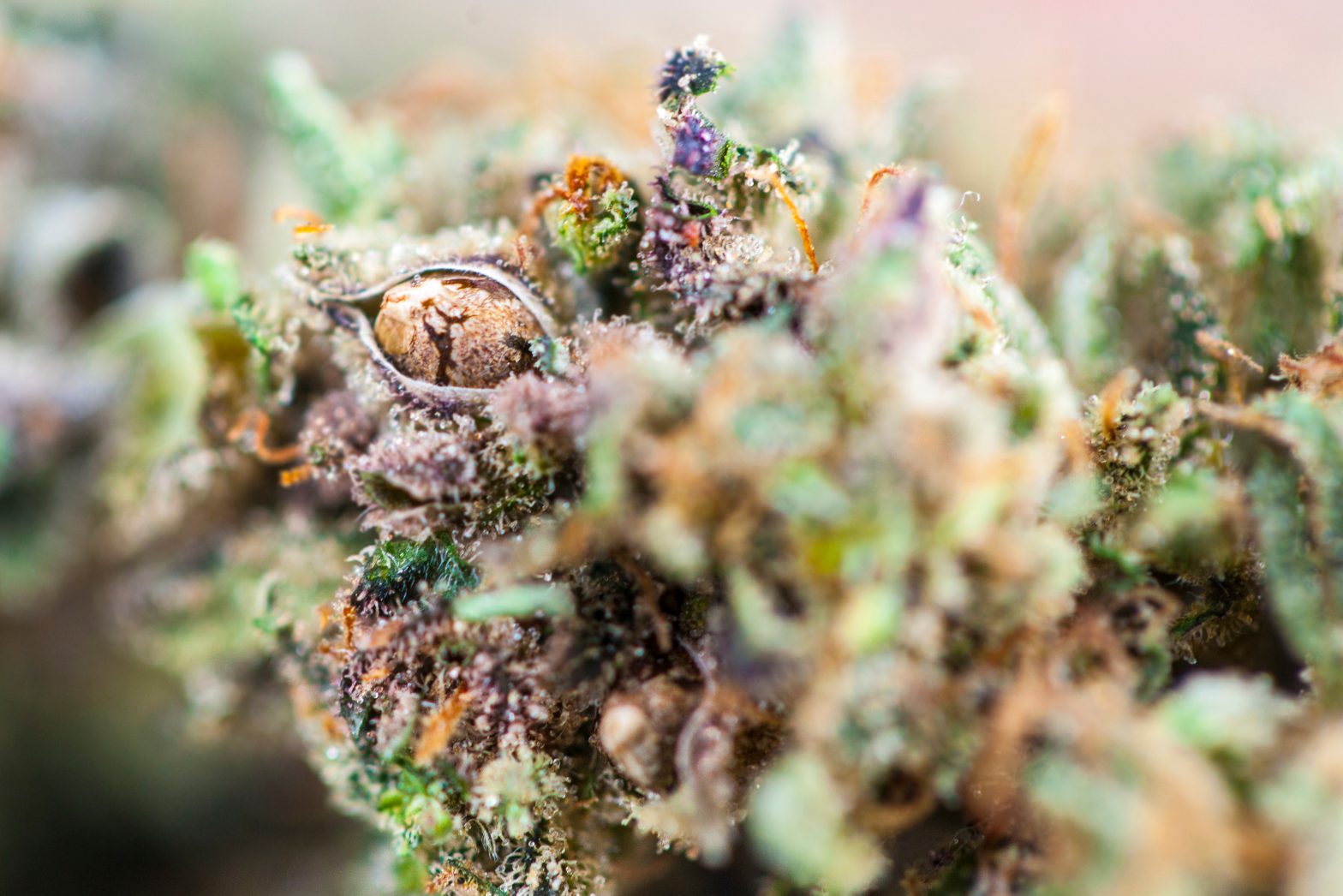
Feminised cannabis seeds are bred to produce female plants at a very high probability. In traditional cannabis genetics, standard (or “regular”) seeds can produce either male or female plants. Feminised seeds are selectively developed to reduce the likelihood of male expression.
From a botanical standpoint, cannabis is a dioecious species, meaning individual plants typically express either male or female reproductive organs. Through controlled breeding techniques, seed producers can encourage female genetic expression, creating feminised cannabis seed varieties that are genetically predisposed toward female development.
With this genetic context established, it is important to understand why, in Australia, feminised varieties attract considerable research interest due to their genetic consistency and predictable traits. According to Jason Greenwood, most licensed cannabis growers in Australia now use feminised seeds because they ensure nearly all resulting plants are female, which meets the industry’s demand for reliable and predictable crops.
How Feminised Seeds Are Developed
Jason Greenwood explains that feminised seeds are created through selective breeding techniques that ensure almost exclusively female plants. The process is straightforward, but what matters most is the outcome:
- Fewer unwanted males: By inducing a female plant to produce pollen, breeders reduce the need for male plants, which can lower labour and space requirements.
- Predominantly female genetics: Pollen from the induced female is used to fertilise another female plant. Because both parents are female, the resulting seeds carry predominantly female chromosomes.
- Greater operational efficiency: In legal cultivation contexts, female-only crops can be simpler to manage because there is less need to monitor for males and reduce the risk of accidental pollination.
Note that environmental stress can still affect plant traits. Genetics establish the basis, but conditions shape outcomes. For example, if temperatures suddenly spike above 35 °C during flowering—a scenario not uncommon in many parts of Australia—even a high-quality feminised seed can show signs of stress and may produce hermaphroditic flowers. This illustrates why stability, breeder track record and genetic lineage are crucial when assessing feminised cannabis seeds.
Why Feminised Cannabis Seeds Are Popular in Australia
Interest in feminised cannabis seeds in Australia is driven by several factors:
Genetic Predictability
Feminised seeds are valued for consistency. Genetic stability allows researchers and collectors to assess strain characteristics more reliably.
Efficiency in Controlled Environments
Where cultivation is legally permitted under specific regulatory frameworks, feminised seeds reduce uncertainty around plant sex ratios.
Broader Genetic Selection
Thousands of stabilised feminised strains are available internationally, and Australian interest reflects this diversity.
Research and Collection
Many individuals purchase cannabis seeds in Australia for research, collection or preservation purposes, particularly in jurisdictions where germination may be restricted.
As seed banks expanded over the past two decades, feminised genetics became dominant in the commercial market.
Feminised vs Regular Cannabis Seeds
Understanding the difference between feminised and regular seeds is essential for informed decision-making. While both originate from the same species, their genetic behaviour and practical applications differ significantly.
Feminised Seeds
- Genetic expression: Predominantly female
- Predictability: High
- Genetic stability: Dependent on breeder methodology
- Market demand: Very high
Feminised cannabis seeds are bred to minimise male expression, offering greater consistency and planning certainty where cultivation is legally permitted. Their popularity stems largely from predictability and streamlined crop management.
Regular Seeds
- Genetic expression: Male or female
- Predictability: Variable
- Genetic stability: Often robust, traditional genetics
Regular seeds are sometimes favoured by breeders seeking access to male genetics for crossbreeding projects. Many consider them valuable for preserving broader genetic diversity and long-term strain development.
However, in the modern retail market, feminised cannabis seeds dominate due to convenience and reliability.
Within the cannabis seeds Australia market, consumer preference strongly favours feminised varieties, reflecting broader global demand trends.
Understanding Strain Types Within Feminised Cannabis Seeds
Feminised seeds are available across multiple genetic categories, including:
- Indica-dominant strains
- Sativa-dominant strains
- Hybrid strains
- High-CBD varieties
- Autoflower feminised varieties
Each category entails differences in structure, flowering and cannabinoid profiles. Yet modern breeding means traditional labels (indica or sativa) do not always reflect a plant’s chemical makeup. Think of indica and sativa today as marketing shorthand rather than true scientific categories. Keeping this in mind can help prevent misinformed choices based solely on traditional strain names.
When researching feminised cannabis seeds in Australia, it is more accurate to evaluate:
- Breeder lineage
- Cannabinoid ratios
- Terpene descriptions
- Stability reports
Rather than relying solely on strain names.
The Legal Landscape for Cannabis Seeds in Australia
When discussing cannabis seeds in Australia, the legal context matters.
Cannabis regulation varies significantly across states and territories. While some jurisdictions permit medical cannabis cultivation under licence, others maintain restrictions on possession, germination or distribution.
- Seeds may be legal to purchase as collectibles or souvenirs in certain states or territories, but this does not universally permit cultivation or germination without additional approvals.
- Germination may be restricted without appropriate licensing.
- Importation laws can differ from possession laws.
Anyone researching feminised cannabis seeds in Australia should consult current state-level regulations and federal biosecurity guidelines before making decisions.
This guide does not provide legal advice, but regulatory awareness is essential when navigating cannabis seed markets.
Anyone researching feminised cannabis seeds in Australia should consult current state-level regulations and federal biosecurity guidelines before making decisions. For example, the Australian Government Office of Drug Control provides guidance on cannabis licensing and compliance requirements.
Genetics and Stability of Feminised Cannabis Seeds
Not all feminised cannabis seeds are equal. In practical terms, stability often refers to how consistent key traits remain across multiple growth cycles under similar conditions.
Cannabis is a dioecious species, meaning individual plants express either male or female reproductive organs, as documented in botanical research available through PubMed Central.
Stability depends on the breeder’s methodology and the genetic lineage.
Key considerations include:
Breeding History
Established breeders document their genetic lines across multiple generations.
Stabilisation Cycles
Strains that have undergone multiple stabilisation cycles tend to show greater consistency.
Transparency
Reputable seed producers provide detailed strain descriptions, flowering time estimates and genetic background.
Because the global cannabis seed industry expanded rapidly over the past decade, quality can vary. Researching breeder reputation is often as important as evaluating strain type.
Feminised Autoflower Seeds in Australia
Autoflower varieties are another major category within feminised cannabis seeds.
Autoflower genetics incorporate Cannabis ruderalis lineage, enabling plants to flower regardless of day length. Feminised autoflower seeds combine this trait with female genetic predictability.
However, anyone interested in cultivating cannabis in Australia should carefully consider local environmental conditions and comply with all regulatory requirements before planting.
Storage and Preservation of Cannabis Seeds
For collectors and researchers in Australia, seed storage is important for preserving seed viability.
General preservation principles include:
- Cool, stable temperatures
- Low humidity
- Protection from light exposure
- Airtight storage containers
Proper storage helps maintain seed integrity over time. Collectors often treat seeds as genetic archives, particularly when working with rare or limited-release strains.
Preservation is distinct from cultivation and is often permitted in jurisdictions where germination is not.
Evaluating Cannabis Seeds Australia Suppliers
When researching cannabis seeds in the Australian market, evaluation criteria may include:
- Seed bank longevity
- Customer transparency
- Genetic documentation
- Discretion in packaging (where legally required)
- Compliance statements
International seed banks often ship worldwide, but import rules vary by country. Understanding biosecurity regulations and customs requirements is essential before ordering from overseas suppliers.
Again, compliance should always take priority over convenience.
Common Misconceptions About Feminised Seeds
There are several myths surrounding feminised cannabis seeds:
Myth 1: Feminised Seeds Are Genetically Inferior
Modern breeding techniques have improved dramatically. High-quality feminised strains can show strong stability when properly developed.
Myth 2: Feminised Seeds Remove All Risk
Environmental stress can influence plant development regardless of genetic background. Feminised does not mean immune to external variables.
Myth 3: All Feminised Seeds Are Identical
Genetic diversity within feminised lines remains substantial. Different breeders use different stabilisation methods.
Understanding these distinctions helps build informed perspectives when evaluating cannabis seeds in Australia.
Why Feminised Cannabis Seeds in Australia Continue to Grow in Popularity
Over the past 15 years, feminised cannabis seeds have become the default offering for most commercial seed banks. The reasons include:
- Market demand for predictability
- Simplified cultivation planning in legal jurisdictions
- Reduced need for sex identification processes
- Streamlined breeding pipelines
As international cannabis markets matured, consumer expectations shifted toward convenience and stability. Feminised varieties aligned well with these expectations.
The Future of Feminised Genetics in Australia
As Australia continues to refine its cannabis regulatory frameworks, interest in genetics will likely expand. Research into cannabinoid profiles, plant resilience and environmental adaptation is increasing globally.
Potential future developments include:
- Climate-adapted genetic lines
- High-minor-cannabinoid strains
- Improved terpene stability
- Enhanced disease resistance
Regardless of regulatory shifts, one principle remains constant: genetics and environment operate together. Feminised cannabis seeds represent one tool within a broader agricultural and botanical landscape.
Frequently Asked Questions
Are feminised cannabis seeds legal in Australia?
Legality varies by state and territory. In some areas, seeds may be sold as collectibles, while germination may require licensing. Always consult current regulations before purchasing.
What is the difference between feminised and autoflower seeds?
Feminised seeds are bred to produce female plants. Autoflower seeds flower based on age rather than light cycles. Some seeds combine both traits.
Can cannabis seeds be stored long-term?
Yes, when kept in cool, dry, dark conditions, seeds can retain viability for extended periods. Storage practices differ from cultivation activities.
Why are feminised seeds more expensive?
Selective breeding, stabilisation cycles and high demand often drive higher prices than for regular seeds.
Conclusion
Feminised cannabis seeds have become a central component of the modern cannabis seed industry. In Australia, interest in feminised varieties reflects global trends toward genetic stability, predictability and strain diversity.
Understanding the differences between seed types, evaluating breeder reputation and remaining aware of regulatory frameworks are essential steps when researching cannabis seeds in the Australian market. Above all, informed patience matters. Taking the time to research, ask questions and verify information will help you make clearer decisions.
If you would like to compare currently available genetics, you can browse our feminised cannabis seed collection to explore strain types and breeder details.
While genetics provides the blueprint, environment and compliance determine real-world outcomes. As the Australian cannabis landscape continues to evolve, informed decision-making will remain the most valuable asset for researchers, collectors and licensed participants alike.