Lineage: Peanut Butter Breath x Gorilla Glue #4 x Cannabis ruderalis
White Truffle Autoflower is an indica-dominant autoflower bred from White Truffle x Cannabis ruderalis. It offers a fast flowering cycle, exceptional resin production, and a savoury nutty and gassy profile with a deeply relaxing effect.
White Truffle is a modern American cultivar that built its reputation on two things: extraordinary resin production and a terpene profile that refuses to follow the crowd. While most of the last decade’s headline strains have chased sweet, dessert-like flavours, White Truffle went the other way entirely. It is savoury, nutty and earthy, with a gassy undertone that hash makers and extract artists took notice of immediately.
The strain emerged from Fresh Coast Genetics in Michigan as a standout phenotype of Gorilla Butter, and quickly earned a following among connoisseurs for its dense, trichome-caked flowers and genuinely heavy potency. Lab-tested photoperiod cuts routinely land in the mid to high twenties for THC.
The autoflowering version compresses that into an 8 to 9 week cycle in a compact frame, with no light-schedule management needed. It is a strain for growers who care more about quality than volume. The yields are respectable rather than record-breaking, but the resin coverage and flavour intensity are where it earns its place.
For Australian growers, it is worth being upfront: this is a rewarding strain that demands attention to humidity. Handled properly it produces some of the frostiest flower you will grow. Handled carelessly in a Queensland summer, those same dense buds become a liability.
Origins & Genetics of White Truffle
White Truffle is a phenotype of Gorilla Butter, which crosses Peanut Butter Breath with the legendary Gorilla Glue #4. Both parents are heavyweights in their own right, and each contributes something distinct.
Peanut Butter Breath, itself a cross of Do-Si-Dos and Mendo Breath, supplies the nutty, savoury terpene signature the strain is named for, along with its creeping, full-bodied effect. The OGKB genetics appearing on both sides of its own lineage account for the dense, tightly packed bud structure.
Gorilla Glue #4 brings the resin. It is the source of the trichome coverage, the diesel and chocolate notes threaded through the flavour, and most of the potency. It also contributes useful heat tolerance.
Ruderalis adds only the day-neutral flowering trait and reduces final height, at a modest cost to yield and peak potency compared with the photoperiod original.
The result sits around 60% indica, though breeder listings range from 60/40 up to 80/20 depending on the phenotype selected. Expect indica growth habits: short internodal spacing, broad leaflets, and a bushy, compact frame.
White Truffle Effects, Aroma & Flavour
The onset is faster and more cerebral than the indica dominance suggests. The first ten to fifteen minutes bring a clear-headed lift that users describe as calming and slightly buzzy, more a quieting of mental noise than a stimulating rush.
From there it settles downward. A warm, heavy body relaxation builds through the first half hour and holds for a good two to three hours. It is grounding rather than immobilising at moderate doses, but push the dose and it becomes genuinely sedating. More than a few reviews describe drifting off unintentionally.
This is an evening strain. It suits winding down after work, easing physical tension, or preparing for sleep. It is not a functional daytime option for most people, and it is not well matched to social settings or tasks requiring sustained focus.
A note on potency: at the upper end of its range this is among the strongest cannabis available, and the effect creeps. Wait a full twenty minutes before considering more. Inexperienced users and those sensitive to THC should approach this strain conservatively or choose something milder.
Growing White Truffle Seeds
White Truffle Auto rates as medium difficulty, and the reason sits entirely in its bud structure. The plant itself is vigorous, compact and heat-tolerant. But it packs exceptionally dense, tightly clustered flowers, and dense flowers trap moisture.
In a controlled environment with good airflow, this is a straightforward grow that produces spectacular results. In an uncontrolled humid environment during late flower, it becomes a race against botrytis. Everything in the sections below flows from that single characteristic.
Expect a finished height of 60 to 100cm indoors and up to 120cm outdoors, with a bushy structure and short gaps between nodes. The high bud-to-leaf ratio makes trimming relatively painless, and the trichome coverage makes the trim genuinely worth keeping for hash.
Indoor Growing Tips for Australian Growers
Light schedule: 18/6 or 20/4 from germination to harvest, with no changes required. Many growers prefer 18/6 for this strain, since the extra dark period reduces heat load in an Australian summer tent without meaningfully affecting the outcome.
Pot size: Plant directly into the final container, 11 to 15 litres. Autoflowers respond poorly to transplant shock and there is no vegetative phase to extend while the plant recovers. Fabric pots help considerably with root aeration and drainage.
Airflow, the priority: This matters more for White Truffle than for almost any other strain in the catalogue. Run an oscillating fan through and under the canopy, not just above it. Air must move between the buds, not merely across the top. Combined with a decent extraction fan, this is the single most effective defence against bud rot.
Humidity control: Target 45 to 50% RH from week five onward. In Brisbane, Sydney or anywhere coastal, a dehumidifier during summer is a genuine requirement rather than a luxury for this strain. Ambient indoor humidity in a Queensland February will sit well above what these buds can safely handle.
Defoliation: Selectively remove leaves that shade or crowd bud sites, opening the plant’s interior to light and air. Do this gradually, and finish all defoliation by week four or five. The aim is airflow through the middle of the plant, where rot begins.
Temperature: 22 to 28°C. The Gorilla Glue heritage gives decent heat tolerance, but sustained temperatures above 30°C will volatilise terpenes and thin the resin, costing you precisely what makes this strain worth growing.
Training: Light LST from weeks two to three helps open the canopy and improves airflow through the plant’s centre. Tie branches outward rather than just downward. Stop all training by week four.
Outdoor Growing Tips for Australian Growers
Outdoor cultivation is entirely viable, but climate and timing matter more here than with an airier sativa. Be realistic about your region before committing.
Best suited regions: Perth, Adelaide, inland NSW and Victoria, and anywhere with dry summers. These conditions suit the strain well and outdoor results can be excellent.
Challenging regions: Coastal Queensland, northern NSW and Darwin. Possible, but requires careful timing and daily vigilance through late flower. Growing under cover, whether a patio, greenhouse or polytunnel, substantially improves the odds.
Timing by region: In subtropical zones, avoid having flowering coincide with the December to March wet season. An autumn run starting March or April, or an early spring start in August, both keep the critical final weeks out of peak humidity. In temperate zones, a September to October sowing works well, with a second run possible from December. In Tasmania and alpine areas, use the November to January window.
Containers over in-ground: Strongly recommended. Being able to shift plants under cover ahead of a rain event is worth more than the extra root volume you would gain in the ground. A week of rain during weeks seven to nine can cost you the entire harvest.
Positioning: Elevate pots off the ground for airflow underneath. Prune lower growth to open the base of the plant. Avoid positions against walls or fences where air stagnates, since a spot with genuine cross-breeze is worth more than a spot with an extra hour of sun.
Late-flower inspection: Check the largest colas every day or two through the final fortnight. Bud rot starts inside the flower where you cannot see it, and a single missed spot can move through a cola in 48 hours. Remove any affected material immediately and well clear of the plant.
Nutrients, Water, and Environment
Medium: Light, well-draining soil or coco with 20 to 30% perlite. Avoid heavy or compacted substrates, since rapid drainage matters both for root health and for keeping ambient humidity down around the base of the plant.
Feeding: Start light. Around a quarter of the manufacturer’s recommended strength for the first two weeks, building gradually from there. White Truffle burns easily as a seedling, and nutrient burn in the first three weeks is the most common cause of a disappointing harvest. Most quality potting mixes carry enough nutrition for the first fortnight without additions.
Transition to a bloom feed around week four and taper nitrogen. This strain responds well to calcium and magnesium supplementation through mid-flower, particularly under LED. Flush with plain pH-adjusted water for the final one to two weeks.
pH: 6.0 to 6.5 in soil, 5.5 to 6.0 in coco. Australian tap water hardness varies significantly by region, so a pH meter is worth having rather than guessing.
Watering: Allow the top few centimetres to dry between waterings and judge by pot weight. Overwatering is a more common killer than underwatering, particularly with seedlings. Water early morning in summer, and avoid wetting foliage during flower.
Humidity targets: 65 to 70% for seedlings, 50 to 60% through vegetative growth, and 45 to 50% from week five. Getting the late-flower number right is the difference between a full harvest and a lost one with this strain.
Common Grower Mistakes to Avoid
Underestimating humidity. The defining mistake with White Truffle. Growers who succeed with airier strains often assume the same setup will carry across. It will not. Dense buds need active humidity management from week five.
Insufficient airflow through the canopy. A fan pointed at the top of the plant does very little for the interior, which is exactly where rot begins. Air needs to move between and under the buds.
Overfeeding seedlings. This strain is more sensitive than most in its first three weeks. Start at quarter strength and build slowly.
Skipping defoliation. Leaving the plant’s interior crowded creates precisely the still, humid microclimate botrytis needs. Selective leaf removal is not cosmetic with this strain. It is preventative.
Transplanting. Start in the final pot. On an eight-week clock, days lost to transplant shock are days of yield you never recover.
Not inspecting during late flower. Rot is invisible from the outside until it is not. Daily checks through the final fortnight catch it while it is still containable.
Harvesting on the calendar. Use a loupe. Mostly cloudy trichomes with some amber is the window, and pushing further into amber deepens the sedative effect if that is what you are after.
White Truffle Flowering Time & Yield
Seed to harvest: 8 to 9 weeks
Indoor: 500 to 600 g/m² | Height 60 to 100cm
Outdoor: 150 to 250g per plant | Height 100 to 120cm
Flowering begins automatically around weeks three to four. Stretch is modest compared with sativa-dominant autos, so expect the plant to stay compact and bushy, which suits small tents and low-ceiling spaces well.
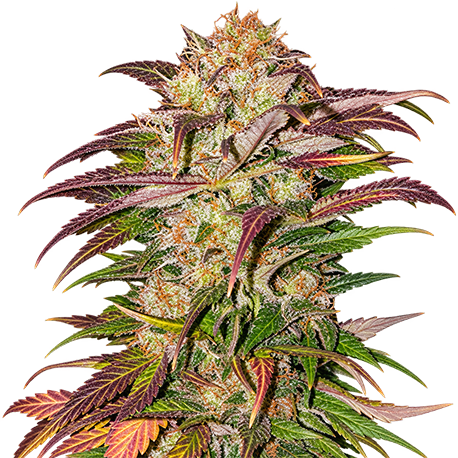
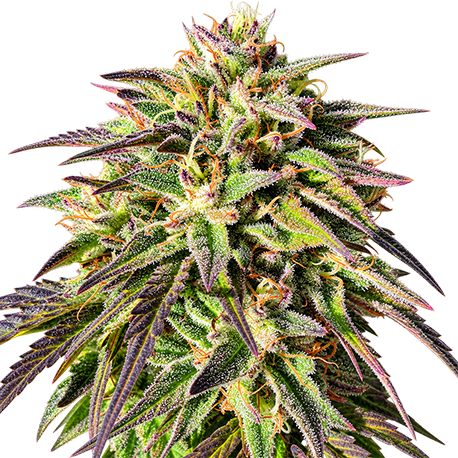
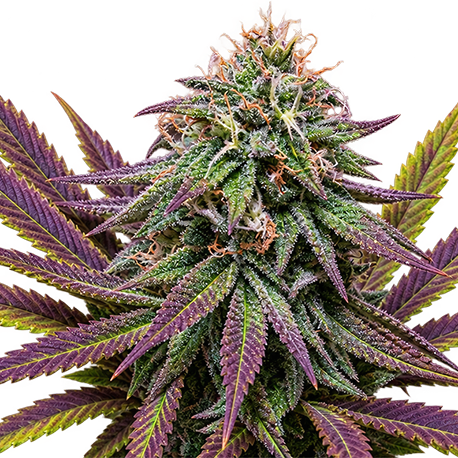
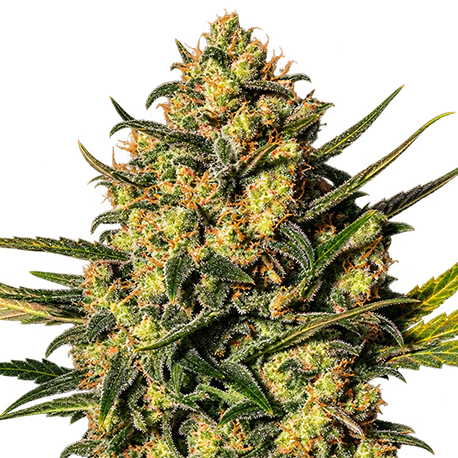
Buds develop dense and chunky with a distinctive light, neon or mint-green hue, occasionally throwing deep purple tones in cooler conditions. Trichome coverage is exceptional, and the high bud-to-leaf ratio means clean, easy trimming. The trim itself is well worth keeping, as this is a strain hash and rosin makers actively seek out.
A note on yield figures: some retailers advertise up to 750g per plant outdoors. That is photoperiod-scale yield and is not achievable on an eight-week autoflower cycle. The figures above reflect what growers actually report.
Who White Truffle Seeds Suits Best
Growers with a cycle or two behind them. Not the hardest strain available, but not the one to learn on either. If you have completed a grow and understand humidity management, you will do well with it.
Indoor and tent growers. The compact frame suits small spaces, and environmental control is where this strain performs best. A 4ft ceiling is ample.
Hash and rosin makers. The trichome coverage and terpene intensity make it one of the better extraction candidates in the autoflower category.
Evening and night users. If you want something for winding down, physical relief, or sleep, this is the effect profile.
Flavour-focused growers. Anyone tired of sweet, dessert-driven strains will find this a genuinely different experience.
Less suited to: Complete beginners, particularly in humid coastal regions. Daytime users, or anyone wanting a functional, energising effect, will be better served by a sativa-dominant strain. Growers sensitive to THC-induced anxiety should also approach carefully given the potency.
The results you’ve achieved are also unacceptable by our standards. They simply aren’t good enough, but we can’t control nature. Sometimes it delivers perfect conditions; other times it reminds us that perfection doesn’t exist. Please reach out via our Contact Us page

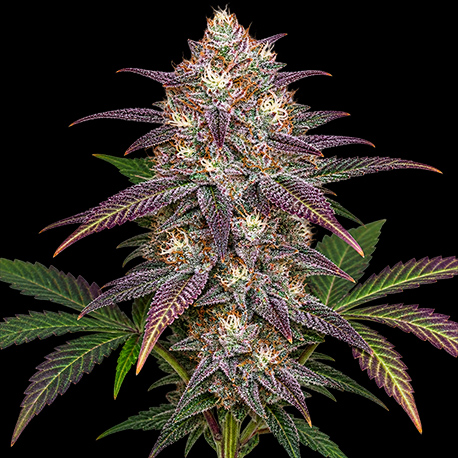





 What Is White Truffle Autoflower?
 White Truffle Autoflower




Great
Looking forward to seeing these beauties grow.
3 popped not happy
The results you’ve achieved are also unacceptable by our standards. They simply aren’t good enough, but we can’t control nature. Sometimes it delivers perfect conditions; other times it reminds us that perfection doesn’t exist. Please reach out via our Contact Us page