Lineage: Clementine x Purple Punch x Cannabis ruderalis
Mimosa Autoflower is a sativa-dominant autoflower bred from Mimosa x Cannabis ruderalis. It offers a fast flowering cycle, strong natural mould resistance, and a bright orange citrus profile with an uplifting, sociable effect.
Mimosa is named after the champagne and orange juice cocktail, and the comparison is more literal than most strain names manage. The aroma is unmistakably fresh citrus, bright and sharp, with a sweetness underneath that keeps it from turning sour. It became one of the defining flavour strains of the late 2010s and has held that position since.
The original was bred by Symbiotic Genetics in California, crossing Clementine with Purple Punch. It arrived at a moment when the market was saturated with heavy, sedating cookie and gelato derivatives, and offered something different: genuine daytime functionality with flavour intensity to match anything else available.
The autoflowering version brings that into an 8 to 10 week cycle with no light-schedule management. Several breeders have their own take, some crossing Mimosa directly with ruderalis and others working through Orangeade Auto as an intermediate, so specifications vary between seed banks.
For Australian growers, Mimosa Auto has one characteristic that matters more than any other: it shows notably strong resistance to fungal problems. In a market where most high-quality genetics struggle with east-coast humidity, that puts it in a small and valuable category.
Origins & Genetics of Mimosa
Mimosa (Clementine × Purple Punch) × Ruderalis
Clementine is where the citrus comes from. A cross of Tangie and Lemon Skunk, it is one of the most limonene-heavy cultivars in circulation and contributes the sharp orange character along with the clear, cerebral energy that defines the effect.
Purple Punch, a cross of Larry OG and Granddaddy Purple, softens the edges. It contributes sweet berry and grape notes underneath the citrus, adds body to the effect, and brings the anthocyanin expression responsible for the purple colouration Mimosa is known for in cooler conditions.
Ruderalis supplies the day-neutral flowering trait and reduces final height, with a modest cost to yield compared with the photoperiod original.
The result sits around 70% sativa. Some breeder lines run closer to 60/40, and a few work through Orangeade Auto rather than crossing Mimosa with ruderalis directly, which produces a slightly more indica-leaning plant with heavier resin. Check the specific breeder line when comparing listings.
Growth habit is sativa-leaning but not extreme: medium internodal spacing, strong branching, and a manageable frame that suits indoor spaces better than most sativa-dominant strains.
Mimosa Effects, Aroma & Flavour
The onset is quick and unmistakably uplifting. Within ten minutes there is a clear lift in mood, mental brightness, and a sociable, talkative quality that makes this one of the better strains for company rather than solitude.
What separates Mimosa from other energising sativas is the balance. The Purple Punch side prevents it from tipping into the jittery, racing territory that pure sativas often produce at high THC levels. There is a warm physical ease underneath the mental lift that keeps things comfortable, without pulling toward sedation.
It works well for creative and physical activity, morning and afternoon use, and social settings. Duration runs around two to three hours with a gentle taper rather than an abrupt drop.
Appetite stimulation is pronounced, which some users value and others find inconvenient. Worth knowing either way.
A note on dosing: potency runs high, and while the effect is balanced, THC-sensitive users can still find energising strains uncomfortable at volume. Start conservatively.
Growing Mimosa Seeds
Mimosa Auto rates as easy, and it earns that rating on resilience rather than on being undemanding. The plant is vigorous, resistant to mould and mildew, and forgiving of the small errors that cost beginners yield on more temperamental genetics.
The fungal resistance deserves particular emphasis for Australian growers. Bud structure is moderately dense but not tightly packed, and the plant carries reasonable spacing between flower sites, so moisture does not sit trapped the way it does in heavy indicas. Combined with genuine genetic resistance, this makes it one of the more realistic options for humid coastal conditions.
Expect a finished height of 80 to 120cm indoors and up to 150cm outdoors, with moderate stretch as flowering begins.
One quirk worth knowing: several breeders report Mimosa performing best at slightly cooler temperatures than average, around 20 to 24°C. It tolerates heat adequately, but does not thrive in it the way a landrace sativa does. This shapes the timing advice below.
Indoor Growing Tips for Australian Growers
Light schedule: 18/6 or 20/4 from germination to harvest with no changes needed. Do not switch to 12/12, as this only reduces total light and costs yield without triggering anything.
Pot size: Plant directly into the final container, 11 to 15 litres. Skip transplanting entirely, since autoflowers have no vegetative phase to extend while recovering from shock. Fabric pots improve aeration and drainage.
Temperature: Target 20 to 26°C, which is a slightly cooler band than many strains prefer. Australian summer tent temperatures are the main challenge here. If your space runs hot, an 18/6 schedule with the dark period through the afternoon reduces the load considerably, and adequate extraction matters more than raw light wattage.
Cool nights for colour: The Purple Punch heritage means a night-time temperature drop of around 8 to 10°C in late flower will bring out purple and violet tones in the buds. Purely cosmetic, but it produces striking flower and photographs beautifully for anyone documenting their grow.
Training: Responds well to low-stress training from weeks two to three. Tie branches outward to open the canopy and expose lower bud sites. Stop all training by week four. Topping is possible for experienced auto growers but carries real risk on a short clock.
Airflow: An oscillating fan through the canopy remains worthwhile even given the fungal resistance. It strengthens stems, moderates humidity pockets, and discourages pests.
Outdoor Growing Tips for Australian Growers
Mimosa Auto is one of the better outdoor options for the eastern seaboard, largely because of its mould resistance. That said, resistance is not immunity, and timing still matters.
Best suited regions: Performs well across most of the country. Temperate zones including Sydney, Melbourne, Adelaide and Perth suit it particularly well, since the moderate summer temperatures match its preference. Subtropical Queensland and northern NSW are viable with sensible timing, which is not something that can be said of every quality strain.
Timing by region: In temperate zones, a September to October sowing catches ideal conditions, with a second run possible from December. In subtropical zones, an autumn start in March or April avoids both peak heat and the worst of the wet season, and works better than a summer grow. In tropical areas such as Darwin and Cairns, the dry season from May to August is the window. In Tasmania and alpine regions, use November to January.
Heat management: Given the cooler temperature preference, afternoon shade during a heatwave is worth providing. Sustained days above 32°C will not kill the plant, but they will thin the resin and cost terpene intensity, which is precisely what you are growing this strain for.
Autumn advantage: An autumn run in southern Australia often produces the best Mimosa. Cooler nights bring out the purple colouration, moderate daytime temperatures preserve terpenes, and humidity is lower than midsummer. It is worth planning around.
Containers: Preferable to in-ground planting, since the ability to move plants under cover during a rain event is worth more than extra root volume.
Pests: Watch for caterpillars, grasshoppers and whitefly through summer. The strong citrus aroma does nothing to deter them, and weekly inspection of leaf undersides catches most problems early.
Nutrients, Water, and Environment
Medium: Light, well-draining soil or coco with 20 to 30% perlite. Avoid heavy or compacted substrates, since autoflower roots need oxygen and rapid drainage in the critical early weeks.
Feeding: Start at around a quarter of the manufacturer’s recommended strength and build gradually. Mimosa is more tolerant of feeding than many autos, but the compressed vegetative phase still means it consumes less than a photoperiod would. Nutrient burn in the first three weeks remains the most common cause of a disappointing harvest.
Move to a bloom feed around week four and taper nitrogen. This strain benefits from calcium and magnesium supplementation through mid-flower, particularly under LED lighting.
Flushing: Worth doing properly with this strain. Flush with plain pH-adjusted water for the final one to two weeks, since residual nutrients will muddy exactly the bright citrus profile you are growing it for.
pH: 6.0 to 6.5 in soil, 5.5 to 6.0 in coco. Australian tap water hardness varies significantly by region, making a pH meter worth having.
Watering: Let the top few centimetres dry between waterings and judge by pot weight. Overwatering kills more seedlings than underwatering. Water early morning during summer.
Humidity targets: 65 to 70% for seedlings, 50 to 60% through vegetative growth, and 45 to 55% from week five. The upper end of the flowering range is acceptable here given the mould resistance, which is a genuine advantage over denser strains.
Curing: Worth extra attention. The terpene profile rewards a slow, careful cure at 60 to 62% humidity over at least two to three weeks. Rushing it costs the citrus brightness that makes this strain worth growing.
Common Grower Mistakes to Avoid
Rushing the cure. The most costly mistake with a flavour-driven strain. A fast dry and a short cure will leave you with harsh, grassy flower that bears little resemblance to what Mimosa should taste like. Give it the full two to three weeks minimum.
Overfeeding seedlings. Quarter strength for the first fortnight, building slowly. Most quality potting mixes carry enough nutrition to need nothing at all early on.
Transplanting. Start in the final pot. Days lost to transplant shock are days of yield you cannot recover on a nine-week clock.
Running it too hot. This strain prefers cooler conditions than most. An overheated summer tent will cost terpene intensity even when the plant otherwise looks healthy.
Skipping the flush. Residual nutrients dull the flavour more noticeably here than on earthier strains.
Switching to 12/12. Unnecessary for an autoflower and actively harmful, since it reduces total light with no benefit.
Assuming resistance means invulnerability. Good mould resistance buys margin, not immunity. Airflow and late-flower inspection still matter in a wet Australian summer.
Mimosa Flowering Time & Yield
Seed to harvest: 8 to 10 weeks
Indoor: 450 to 500 g/m² | Height 80 to 120cm
Outdoor: 100 to 200g per plant | Height 100 to 150cm
Flowering begins automatically around weeks three to four. Some faster breeder lines finish in as little as 7 to 8 weeks, while others run to 10, so check the specific line you are buying rather than assuming.
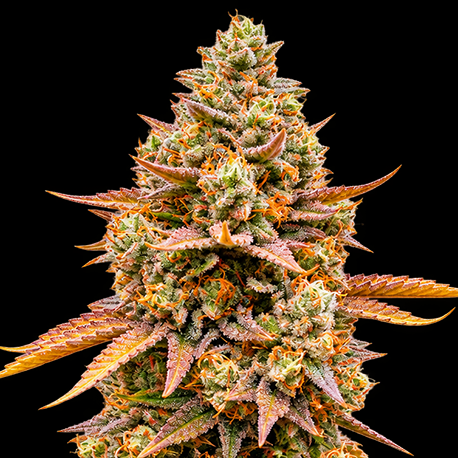
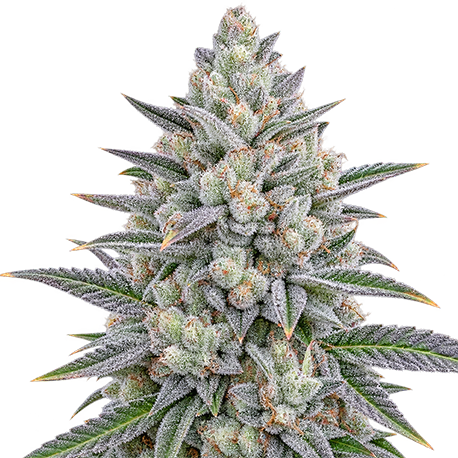
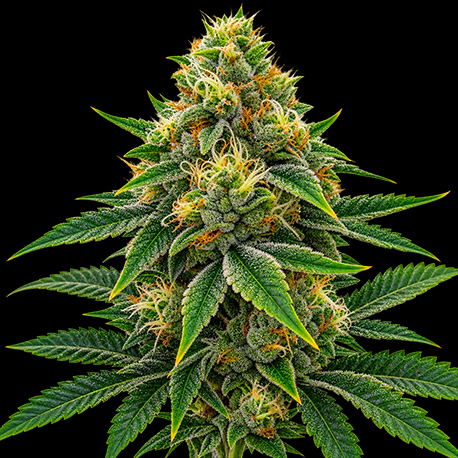
Buds develop dense and resin-heavy with vivid orange pistils against green, taking on purple and violet patches where night temperatures drop in late flower. It is one of the more visually striking strains available and the colour is genuine rather than a marketing photograph.
Trichome coverage is strong and the flower makes a good extraction candidate, with the limonene-dominant profile translating particularly well into live rosin.
A note on yield figures: some retailers quote photoperiod-scale numbers for autoflower seeds. The figures above reflect what growers actually report on an 8 to 10 week cycle.
Who Mimosa Seeds Suits Best
First-time growers. Resilient, forgiving and mould-resistant. One of the better choices for a first grow, particularly in a humid climate.
Growers in humid coastal regions. The fungal resistance makes this a realistic option where dense indica genetics would be a gamble.
Daytime users. Uplifting, social and functional without tipping into anxious territory the way pure sativas can.
Flavour chasers. Among the most distinctive citrus profiles available, and it holds up through a proper cure.
Growers who want visual appeal. The purple expression in cool conditions produces genuinely striking flower.
Less suited to: Anyone seeking sedation or heavy body relief, since this is an energising strain and an indica-dominant option will serve better. Growers working in consistently hot spaces with no cooling may also struggle to get the best from it.






 What Is Mimosa Autoflower?
 Mimosa Autoflower





Looking forward to seeing these beauties grow.