Lineage: Sour Apple x Animal Cookies x Cannabis ruderalis
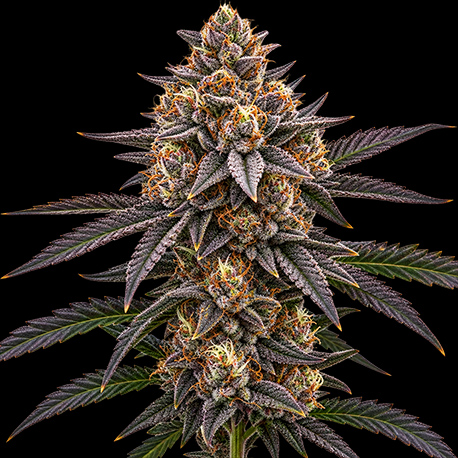
Apple Fritter Autoflower is an indica-dominant autoflower bred from Apple Fritter x Cannabis ruderalis. It offers a fast flowering cycle, high potency, and a true apple pastry flavour with a relaxing, euphoric effect.
Apple Fritter has one of the better origin stories in modern cannabis. It was created in 2013 by Jason Dias, co-owner of Lumpy’s Flowers in Northern California, who was working crosses out of his basement at the time. The Sour Apple and Animal Cookies project had been going badly, and by his own account he was down to the last four seeds from the run. Two of those seeds turned out to be career-defining: Reckless Rainbow, and Apple Fritter.
It took the name from a tasting session, where someone said the aroma reminded them of warm apple fritters from a roadside bakery. The description stuck, and Lumpy’s then spent months pheno-hunting to lock in the expression they wanted: tight resinous buds carrying apple, spice and pastry notes.
The strain built its reputation by word of mouth through Bay Area circles before wider distribution, earned a NorCal Cannabis Cup win, and landed on lists of the world’s strongest cultivars as early as 2016, well before most consumers had heard of it. It remains Lumpy’s most iconic release.
The original was clone-only, and the autoflowering versions now available bring those genetics into an 8 to 10 week cycle in a compact frame. For Australian growers it sits in the same category as other dense, dessert-forward strains: outstanding quality, with humidity as the variable that decides whether you get it.
Origins & Genetics of Apple Fritter
Apple Fritter (Sour Apple × Animal Cookies) × Ruderalis
Sour Apple, a cross of Sour Diesel and Cinderella 99, contributes the tart green apple note and a diesel undercurrent that keeps the sweetness from becoming cloying. It also brings some of the cerebral lift that stops this strain from being purely sedating.
Animal Cookies, from GSC and Fire OG, supplies the dense bud structure, the heavy resin production, and the earthy, faintly cheesy funk that sits underneath the pastry sweetness. Most of the body effect traces back to this side.
Ruderalis adds the day-neutral flowering trait and keeps final height compact, at a modest cost to yield compared with the photoperiod original.
The original Apple Fritter is generally described as a balanced 50/50 hybrid. Autoflower versions lean more indica, typically landing between 60/40 and 85/15 depending on the breeder line, since the ruderalis crossing and phenotype selection both tend to pull that direction. Check the specific line when comparing listings, as the variance here is wider than usual.
Growth habit is compact and bushy with strong side branching and short internodal spacing.
Apple Fritter Effects, Aroma & Flavour
Apple Fritter is unusual among heavy strains in that the effect stays enjoyable rather than simply flattening you. The onset is quick, arriving as a euphoric mental lift with a distinctly giggly, sociable quality that many users single out.
A physical warmth builds over the following twenty minutes, described consistently as tingly, spreading through the body without immediately pulling toward sleep. One well-circulated description captures it neatly: the stone of GSC with the energy of a diesel.
Where it ends up depends on dose. Moderate amounts leave you relaxed, cheerful and functional enough for company or a film. Push further and the indica side takes over properly, at which point it becomes a sedating strain suited to the end of the evening.
Medical users report it among the more effective options for chronic pain, PTSD and insomnia, particularly where lower-potency strains have not helped. The combination of physical relaxation and genuine mood elevation addresses more than one dimension at once.
A note on potency: the photoperiod original is one of the strongest cultivars in commercial circulation, and even the autoflower versions run high. Start with less than you think you need and wait a full twenty minutes.
Growing Apple Fritter Seeds
Apple Fritter Auto rates as medium difficulty. The original Lumpy’s genetics had a reputation for being demanding, and while modern seed bank versions are considerably more manageable, the strain still asks more than a beginner-proof auto.
The complication is the same one that affects most Cookies-derived genetics: dense, tightly packed buds that trap moisture. In a controlled environment this produces spectacular, resin-heavy flower. In an uncontrolled humid one it creates real bud rot risk during the final weeks.
It is also a heavier feeder than most autoflowers once flowering establishes, which catches out growers who apply the standard light-feeding approach right through the cycle.
Expect a finished height of 70 to 100cm indoors and up to 120cm outdoors. The compact frame and strong side branching make it well suited to small tents, and the resin content makes it a strong extraction candidate.
Indoor Growing Tips for Australian Growers
Light schedule: 18/6 or 20/4 from germination to harvest, no changes needed. This strain responds well to strong light in flower, with PPFD in the 900 to 1100 range producing noticeably better resin development than lower intensities.
Pot size: Plant directly into the final container, 11 to 15 litres. Skip transplanting. Fabric pots improve aeration and drainage.
Temperature: Target 21 to 27°C. Sustained heat above 30°C thins the resin and degrades the terpene profile that makes this strain worth growing. In an Australian summer, extraction and cooling capacity matter more than raw light wattage.
Humidity: 45 to 50% from week five onward. The dense bud structure makes this non-negotiable in a coastal climate. A dehumidifier through a Brisbane or Sydney summer is a genuine requirement rather than an optional upgrade.
Airflow: Run an oscillating fan through and under the canopy, not just across the top. Air needs to move between the buds, since that is where rot begins.
Training: Light LST from weeks two to three opens the canopy and improves both light penetration and airflow through the plant’s centre. SCROG works well with this strain given the branching structure. Stop all training by week four.
Defoliation: Selectively remove interior leaves crowding bud sites. With dense-flowering genetics this is preventative rather than cosmetic.
Support: Buds gain real density late in flower and branches can struggle with the weight. Have stakes or a trellis ready by week six.
Outdoor Growing Tips for Australian Growers
Apple Fritter wants warm, dry conditions with good airflow. That maps well onto parts of Australia and poorly onto others, so be honest about your region before committing.
Best suited regions: Perth, Adelaide, inland NSW, inland Victoria and other areas with dry summers. Conditions here suit the strain well and outdoor results can be excellent.
Challenging regions: Coastal Queensland, northern NSW and Darwin. The dense buds are a liability in humid conditions. Growing here is possible with careful timing and cover, but this is not the strain to pick for an exposed outdoor grow through a wet subtropical summer.
Timing by region: In temperate and Mediterranean zones, sow September to October, with a second run possible from December. In subtropical zones, an autumn start in March or April keeps flowering clear of the wet season and works far better than a summer grow. In tropical regions, restrict growing to the dry season from May to August. In Tasmania and alpine areas, use November to January.
Cover changes everything: A greenhouse, polytunnel or covered patio transforms the risk profile in humid regions. Keeping rain off developing colas is the single most valuable intervention available.
Containers over in-ground: Recommended, since the ability to move plants ahead of a rain event can save a harvest outright.
Positioning: Elevate pots for airflow underneath and prune lower growth to open the base. A position with genuine cross-breeze beats one with an extra hour of sun.
Late-flower inspection: Check the largest colas every day or two through the final fortnight. Rot begins inside the flower where it cannot be seen, and can move through a cola in 48 hours. Remove affected material immediately and well away from the plant.
Pests: Watch for caterpillars in particular, since damage inside a dense cola creates an entry point for rot. Weekly inspection catches most problems early.
Nutrients, Water, and Environment
Medium: Light, well-draining soil or coco with 20 to 30% perlite. Rapid drainage supports root health and keeps humidity down around the plant base.
Feeding: This is where Apple Fritter differs from most autoflowers. Start light, at around a quarter strength for the first two weeks, but be prepared to feed more generously than usual once flowering establishes. It is a genuinely heavy feeder in bloom, and growers who maintain a cautious schedule throughout often see deficiencies and reduced yield in weeks five to seven.
Watch the plant rather than the calendar. Yellowing lower leaves during mid-flower usually indicates it wants more, not less.
Bloom nutrition: Move to a phosphorus and potassium focused feed around week four and taper nitrogen. Calcium and magnesium supplementation is worthwhile through mid-flower, particularly under LED.
pH: 6.0 to 6.5 in soil, 5.5 to 6.0 in coco. Australian tap water hardness varies by region, making a meter worth having.
Watering: Allow the top few centimetres to dry between waterings and judge by pot weight. Water early morning in summer and avoid wetting foliage during flower.
Flushing: Plain pH-adjusted water for the final one to two weeks. Residual nutrients muddy the pastry and vanilla notes noticeably.
Curing: Worth the patience. The dessert profile deepens considerably over a slow cure at 60 to 62% humidity across three to four weeks. Rushed flower tastes generic and sweet rather than distinctly like Apple Fritter.
Common Grower Mistakes to Avoid
Underfeeding in flower. The mistake most specific to this strain. Standard autoflower advice says keep feeding light, but Apple Fritter is hungry once bloom sets in. Watch for deficiency signs from week four.
Underestimating humidity. Dense Cookies-derived buds need active humidity management from week five. A setup that works for airier strains will not necessarily carry across.
Weak airflow through the canopy. A fan aimed at the top of the plant does little for the interior, which is exactly where rot starts.
Skipping defoliation. A crowded plant interior creates the still, humid microclimate botrytis needs.
Transplanting. Start in the final pot. Days lost to shock are days of yield gone on a short clock.
Rushing the cure. The bakery character develops over weeks. Flower jarred and smoked within days of drying tastes like a fraction of what it should.
No branch support. Late-flower bud density puts real strain on branches, and a snapped stem in week seven is avoidable.
Overdoing it on the first session. Worth mentioning for customers as much as growers. This strain hits harder than its dessert flavour suggests.
Apple Fritter Flowering time & Yield
Seed to harvest: 8 to 10 weeks
Indoor: 400 to 450 g/m² | Height 70 to 100cm
Outdoor: 80 to 180g per plant | Height 80 to 120cm
Flowering begins automatically around weeks three to four with modest stretch. The plant stays compact and bushy, which suits small tents and low-ceiling spaces.
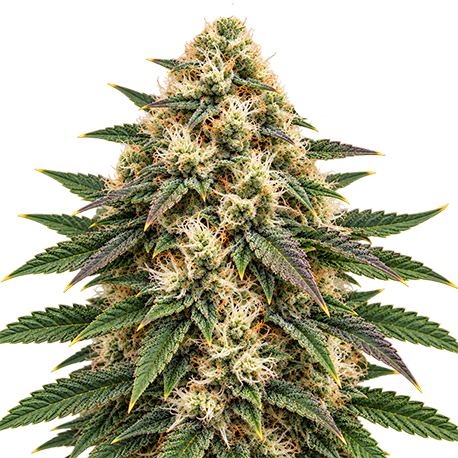
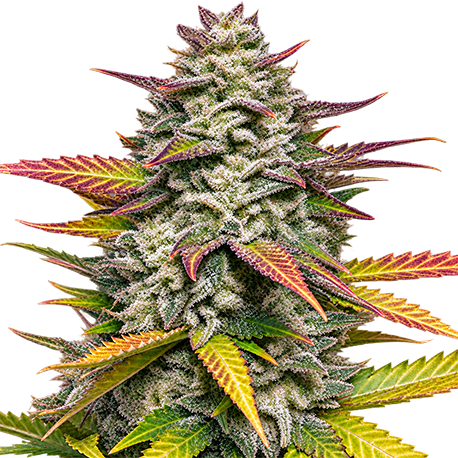
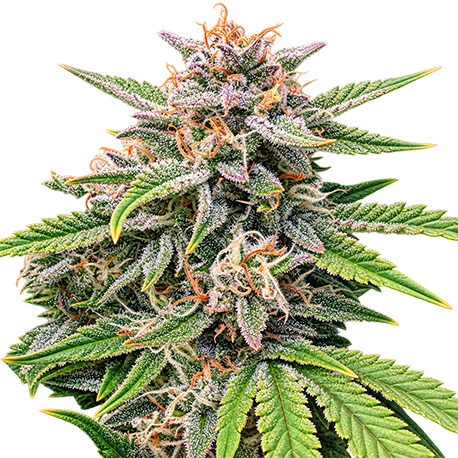
Buds develop extremely dense with little springback when squeezed, in olive and turf green tones that often carry light lilac or purple surface colouration, set against orange pistils. Trichome coverage is heavy and the resin quality is high, making this one of the better extraction candidates in the dessert category.
A note on yields: Apple Fritter is not a heavy producer, and honest listings acknowledge that. The value here is in bud quality, resin content and flavour rather than volume. Some retailers quote 550 to 650g per plant outdoors, which reflects photoperiod performance rather than an eight-week autoflower cycle.
Who Apple Fritter Autoflower Seeds Suits Best
Growers with a cycle or two behind them. Manageable with some experience, though the humidity and feeding demands make it a harder first grow than a mould-resistant sativa.
Indoor and tent growers. The compact frame suits small spaces and environmental control is where this strain performs best.
Growers in dry regions. Perth, Adelaide and inland areas suit it well for outdoor cultivation.
Extract makers. High resin content and a terpene profile above 1.5% by weight translate exceptionally well into rosin.
Evening users. Relaxing and euphoric rather than energising, with enough mood lift to stay enjoyable rather than merely sedating.
Flavour chasers. One of the most complete dessert profiles available, and genuinely distinctive rather than generically sweet.
Medical users seeking potency. Frequently cited for chronic pain, PTSD and insomnia where lower-THC options have not worked.
Less suited to: Complete beginners, particularly in humid coastal regions. Growers prioritising yield per plant, since this strain trades volume for quality. Daytime users wanting a functional, energising effect. And anyone sensitive to THC, given the potency.
The results you’ve achieved are also unacceptable by our standards. They simply aren’t good enough, but we can’t control nature. Sometimes it delivers perfect conditions; other times it reminds us that perfection doesn’t exist. Please reach out via our Contact Us page






 What Is Apple Fritter Autoflower?
 Apple Fritter Autoflower







Has not finished growing
Nice
Looking forward to seeing these beauties grow
1 popped..not
The results you’ve achieved are also unacceptable by our standards. They simply aren’t good enough, but we can’t control nature. Sometimes it delivers perfect conditions; other times it reminds us that perfection doesn’t exist. Please reach out via our Contact Us page