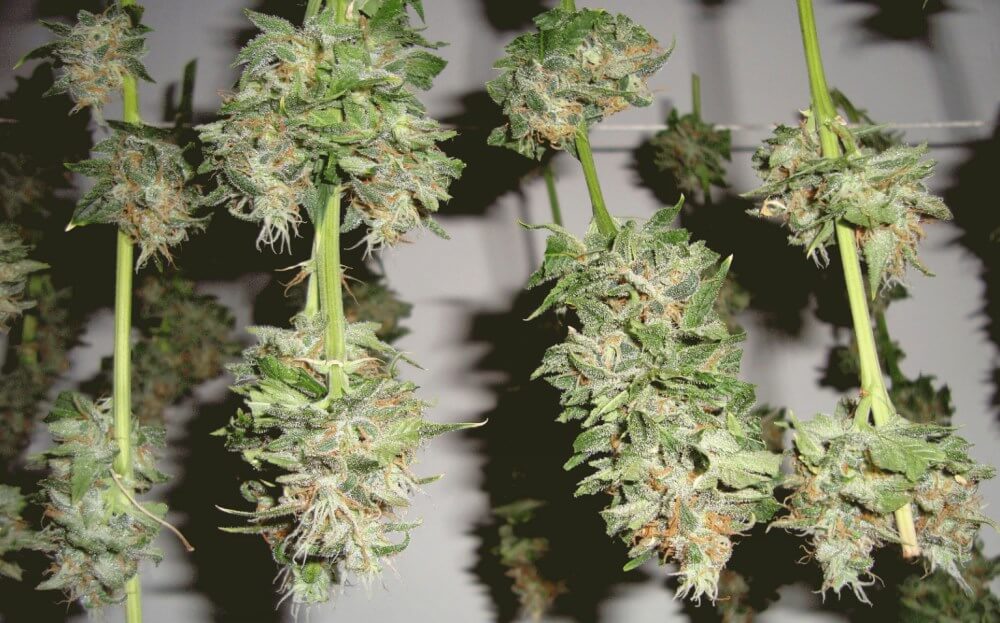
Drying and curing weed are among the most important parts of the entire grow. You can do everything right in germination, veg, and flower. But if you rush post-harvest, you may still end up with harsh, bland buds. For Australian growers, good drying and curing can turn a decent harvest into a smooth, aromatic flower worth saving.
At Mediseed Man, we see post-harvest quality as part of the grow itself, not an afterthought. Once you cut down your plants, the goal is simple: dry them slowly, protect terpenes, reduce harshness, and keep the quality you worked for. When done properly, drying and curing weed improves flavour, aroma, smoothness and storage life.
Why drying and curing weed matters
Freshly harvested cannabis contains a lot of internal moisture. If that moisture leaves too quickly, the outside of the buds can become dry while the centre stays damp. If it leaves too slowly or the room conditions are wrong, mould and rot can develop. That is why drying and curing weed needs patience and control.
A proper post-harvest process helps you:
-
Preserve terpene expression and cultivar character
-
Improve the smoothness of the smoke
-
Reduce the grassy or chlorophyll-heavy taste
-
Lower the risk of mould during storage
-
Protect the overall quality of the final flower
-
Get more value from the time and effort put into your grow
If you want better aroma and flavour, it also helps to understand how growing decisions affect the final result. Articles like maximising terpenes and enhancing the flavour of weed pair naturally with this stage of the process.
When to start drying weed after harvest
Drying starts as soon as the plant is cut. Do not leave harvested branches piled up in a hot room or exposed to direct light. The sooner you move your flowers into a suitable drying environment, the better your chances of preserving quality.
Before drying, growers usually complete a rough trim or a full trim depending on preference, climate and plant structure. If you want a dedicated trimming guide, read how to trim marijuana.
As a general rule, buds are usually hung or placed on drying racks for around 7 to 10 days. In some conditions, especially during humid weather or with denser flowers, the process can stretch closer to 14 days. The target is not to dry as fast as possible. The target is controlled moisture loss.
The best drying room conditions for Australian growers
Australia’s climate can vary dramatically depending on season and location, so your drying room matters. A spare room, tent, cupboard or controlled indoor space can all work, as long as you can manage temperature, humidity, darkness and airflow.
For most growers, a good drying environment looks like this:
-
Temperature between 15.5 and 21°C
-
Relative humidity between 55% and 65%
-
Gentle, steady airflow
-
Complete darkness or very low light
-
No direct fan blowing onto the buds
These conditions help slow the drying process down enough to protect the aroma while still reducing the risk of mould. If your plants are already under environmental stress, learn from these issues. Read about cannabis plant heat stress prevention. Also read about detecting bud rot & mould on marijuana plants. Post-harvest problems often start with poor climate control.
What equipment do you need for drying and curing weed
You do not need a complicated setup, but you do need consistency. A few simple tools can make a major difference.
Useful drying and curing gear includes:
-
A hygrometer to monitor humidity
-
A thermometer to track temperatures
-
A fan for indirect air circulation
-
A dehumidifier or humidifier depending on your conditions
-
Drying lines, hangers or mesh racks
-
Clean glass jars for curing
-
Trimming scissors and gloves
The aim is to create a stable environment, not a perfect-looking room. Drying and curing weed successfully comes down to consistency more than anything else.
How to dry weed properly
Once harvested, hang whole branches or place trimmed buds on racks with enough space between them for air movement. Do not pack them together. Good spacing lowers the chance of trapped moisture and mould.
Keep the room dark and avoid handling the flowers too often. Every time buds are disturbed, you risk knocking off trichomes and reducing the harvest’s visual quality.
During this stage, check the room daily. You want a stable temperature and steady humidity. Look for no mildew, dampness, or overly crisp outer flower material.
If you grow by season, the cannabis grow calendar for Australia can help you plan for the weather. This weather can affect harvest and drying.
How to know when the weed is dry enough
This is where many growers either rush or wait too long. Weed that goes into jars too wet can develop a musty smell and an increased risk of mould. Weed that is dried too far can lose some of its character and cure less effectively.
A few simple checks can help.
The first is the feel test. Buds should feel dry on the outside, but not brittle or dusty. They should still have a slight softness when gently squeezed.
The second is the small stem test. When smaller stems bend and then give a light snap rather than folding over completely, the flowers are usually close to ready for curing.
The third is the smoke test. Some growers test a small sample. If it stays lit better than a freshly cut flower but still feels slightly young, it is often ready for the curing stage.
What curing weed actually does
Drying removes excess moisture from the plant. Curing improves the final flower over time.
During curing, the remaining internal moisture redistributes more evenly throughout the buds. This slower finishing phase reduces harshness, improves aroma, and helps the flower settle into a more enjoyable final product.
This is why drying and curing weed should always be treated as a two-part process. Drying alone is not enough if you want top-shelf quality.
Curing helps with:
-
A smoother smoke
-
Better flavour and aroma
-
More stable long-term storage
-
Less harshness on the throat
-
Better preservation of flower quality
If flower quality is a priority, you may also want to read 12 ways to spot quality weed.
How to cure weed step by step
Once the buds are ready, place them into clean glass jars. Do not fill jars to the very top. A good rule is around 70% to 75% full, so there is still some air space inside.
Seal the jars and store them in a cool, dark place. The ideal jar environment is usually 57% to 62% relative humidity. Keep temperatures below 21°C when possible.
For the first one to two weeks, open the jars once or twice a day for a few minutes. This process is known as burping. Burping allows excess moisture to escape and brings in fresh air.
As the buds settle, you can reduce how often you open the jars. After the first two weeks, watering every other day or less is usually enough. It depends on how the flower feels and smells.
If you open a jar and notice a sharp ammonia smell, the buds were jarred too wet. Take them out, let them dry a bit more, then restart the curing process. If the aroma is clean, sweet, earthy or cultivar-specific, you are on the right track.
How long does curing weed take
A basic cure usually takes about 2 to 4 weeks. That is often enough for a noticeable improvement in smoothness and aroma.
However, many growers prefer to cure longer. High-quality flowers can continue to improve for up to 30 to 60 days when stored correctly. Some growers stretch this further, but the biggest gains usually happen in the first month or two.
Drying and curing weed is a patience game. The reward is a better end product with a more refined flavour, less harshness, and a stronger overall presentation.
Does curing weed make it stronger?
Curing does not turn a weak flower into an elite one, but it can improve the final product’s appearance and feel. A proper cure helps preserve cannabinoids and terpenes while reducing moisture-related harshness. As a result, the flower often seems fuller, cleaner and more complete.
In other words, the cure helps the harvest show its real quality. It supports the potency you already have rather than creating something that was never there.
Common mistakes when drying and curing weed
A lot can go wrong after harvest, especially if growers get impatient. Some of the most common mistakes include:
-
Drying buds in a room that is too hot
-
Letting humidity stay too high for too long
-
Pointing fans directly at the flowers
-
Putting buds into jars before they are ready
-
Filling jars too tightly
-
Opening jars too rarely during the first stages of curing
-
Storing finished buds in a warm or bright place
These mistakes can reduce flavour, flatten aroma and increase the risk of mould. Prevention is always easier than rescue.
How to store cured weed properly
Once drying and curing the weed is complete, storage becomes the next priority. Keep cured flower in airtight glass jars in a cool, dark place away from heat and sunlight. Avoid frequent temperature swings and, if possible, avoid plastic for long-term storage.
For a deeper look at post-cure storage, read how to store weed.
Also, read everything you need to know about freezing weed if you want to compare long-term options.
Drying and curing weed for better flavour, aroma and quality
If you want better cannabis, do not stop caring once the chop is done. Drying and curing weed is where growers protect the flavour, aroma and smoothness they spent months building. This stage can be the difference between an average flower and a jar you are genuinely proud to open.
At Mediseed Man, we always encourage growers to give post-harvest the same care. They should match the attention given to feeding, lighting, and the environment. The better your process, the better your final result.
If you are planning your next run, it is worth starting with strong genetics and a better overall growth strategy. Helpful articles to read next include the seven weed plant stages explained. You can also read clones vs seeds: growing the best cannabis. Another good option is feminised cannabis seeds Australia.
FAQ: Drying and curing weed
How long does drying weed take?
Drying weed usually takes about 7 to 10 days. Some harvests may take up to 14 days. This depends on bud density and room conditions.
What humidity is best for drying weed?
A drying room is usually best kept between 55% and 65% relative humidity, with steady airflow and cool temperatures.
How do I know if my weed is ready for curing?
The buds should feel dry on the outside, the smaller stems should give a light snap, and the flowers should not feel wet or spongy inside.
How long should I cure weed for?
A basic cure takes about 2 to 4 weeks. Many growers keep curing for 30 to 60 days for a smoother final result.
Can you smoke weed before it is cured?
Yes, but it is usually harsher, less flavourful and less refined. Curing improves the smoke and helps the flower reach a better overall quality.
What jars are best for curing weed?
Clean airtight glass jars are the standard choice. They help maintain a stable internal environment and make it easier to monitor bud condition.
What happens if the weed is jarred too early?
If buds are jarred before they are dry enough, extra moisture can build up in the jar. This raises the risk of mould, bad smells, and ruined flowers.
Does curing weed improve smell and flavour?
Yes. Proper curing helps preserve and develop the terpene profile, which supports a better aroma and more enjoyable flavour.