When growers first learn about cannabis, they often ask this question: What is the difference between indica and sativa? These two labels are still widely used across the industry. But the answer is more complex than saying one makes you sleepy. And the other makes you energetic. In reality, these plants differ in growth structure, breeding history, cannabinoid profile, terpene expression, and real-world performance.
Understanding indica vs. sativa matters when choosing seeds, comparing flower structure, or learning how genetics shape the final result. If you are new to cannabis types, it also helps to read our broader guide to cannabis indica and sativa before diving deeper into how these categories are used today.
What do indica and sativa actually mean?
Indica and sativa were originally used to describe different botanical traits within the cannabis plant. In broad terms, indica plants are usually shorter, bushier, and more compact, while sativa plants are often taller, longer-limbed, and narrower in leaf shape. These differences can still be useful for growers when planning a cultivation setup, especially if space, climate, or flowering time are important considerations.
However, modern cannabis breeding has blurred these lines. Many strains on the market today are hybrids, meaning they have mixed ancestry and may exhibit characteristics from both parents. That is why plant shape alone does not fully explain how a strain will grow or what kind of experience it may produce.
If you want to understand that genetic variation more clearly, it also helps to explore how cannabis phenotypes and genotypes affect traits such as structure, vigour, aroma, and final expression.
Indica vs. sativa plant structure
From a cultivation perspective, indica and sativa labels still have some practical value.
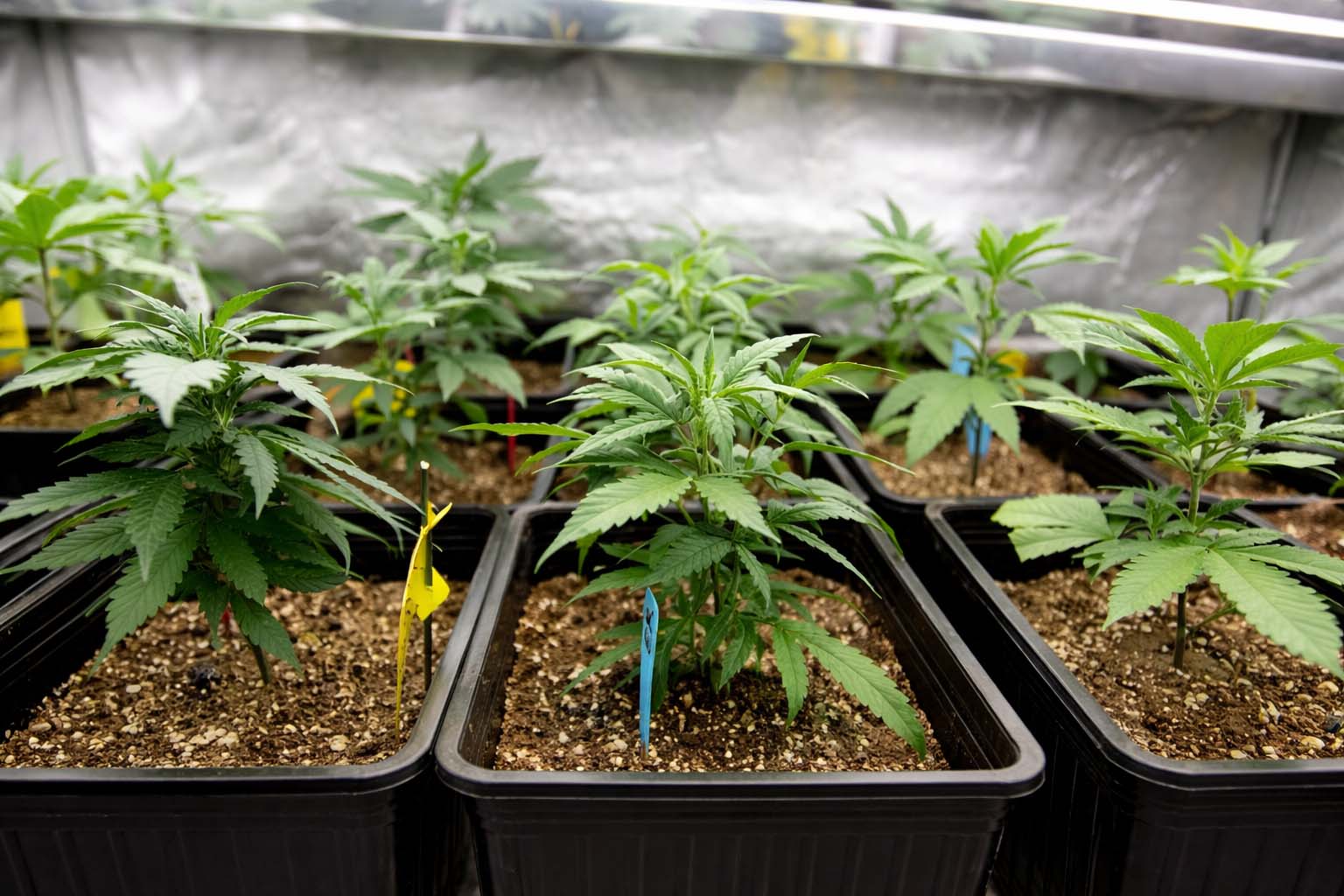
Indica-leaning plants are often preferred in smaller grow spaces because they generally stay more compact. Their shorter internodal spacing and denser canopy can make them easier to manage indoors, particularly for growers working in tents or low-ceiling rooms. If you are growing in a confined environment, our article on growing cannabis indoors in Australia gives a useful overview of how plant structure affects setup choices.
Sativa-leaning plants, on the other hand, often stretch more aggressively during the flowering period. They may suit growers with more vertical room, a longer season, or experience with training methods. Outdoor growers in warmer regions may find them especially appealing, and our guide to growing cannabis outdoors in Australia explains why local conditions make such a difference.
Traditional effects: body high vs. mind high
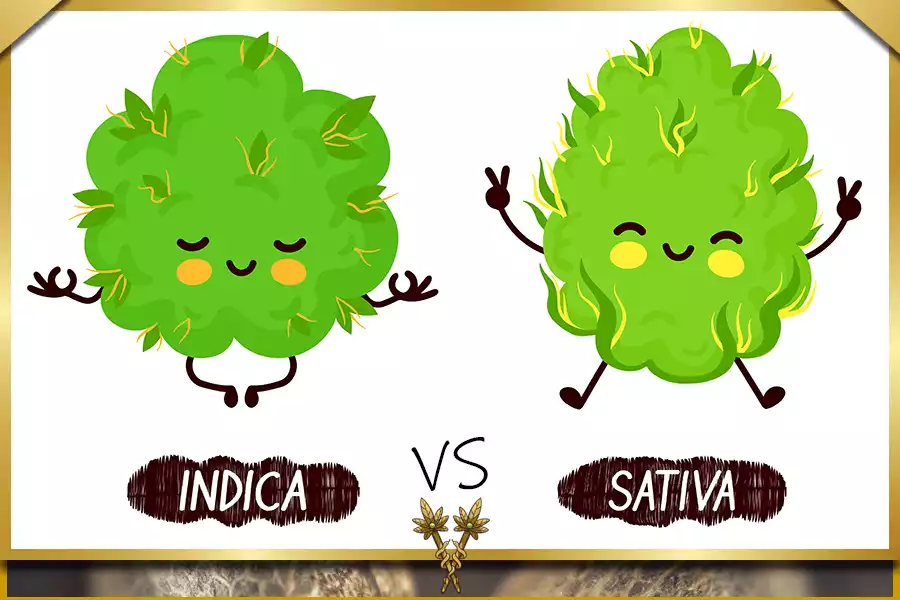
The most common explanation is that indica delivers a body-heavy, calming effect, while sativa produces a more uplifting, cerebral effect. This old distinction is still widely repeated because many growers and users do recognise those broad patterns.
Indica strains are often linked with relaxation, physical heaviness, and evening use. Sativa strains are more often associated with alertness, creativity, and daytime use. Some growers also describe indica as better suited to slowing down, while sativa is seen as more functional or mentally stimulating.
Still, these generalisations are not absolute. A strain’s terpene profile, THC content, CBD level, and overall chemistry often matter more than the label on the packet. That is why two strains both described as indica can feel completely different, and why a sativa-leaning cultivar may not always feel energising.
Why THC content and cannabidiol CBD matter
If you want a more accurate way to compare cannabis types, start with the cannabinoids. THC is the primary psychoactive cannabinoid and is responsible for the intoxicating effect associated with cannabis. CBD, or cannabidiol, is non-intoxicating and is often discussed in relation to balance, moderation, and broader therapeutic interest.
The CBD to THC ratio can tell you far more than a simple indica or sativa label. A cultivar with very high THC content and minimal CBD may feel more intense, while one with a more balanced CBD to THC ratio may feel smoother or less overwhelming. This matters for both recreational users and people exploring medical cannabis options.
To better understand how THC is discussed more broadly, you can also read our guide to the perfect guide to THC microdosing, which explains why dosage and profile matter as much as raw strength.
The role of terpenes in indica vs. sativa
Terpenes are aromatic compounds that contribute to the smell and flavour of cannabis, but they also play an important role in the plant’s overall profile. This is one reason growers are moving beyond simplistic strain labels and paying closer attention to the specific chemical makeup of each cultivar.
For example, earthy, musky, or skunky aromas are often associated with terpene combinations found in many indica-leaning cultivars. Sweet, fruity, citrus, or spicy notes may appear more often in certain sativa-leaning lines. These patterns are not fixed, but they can be helpful when comparing cultivars.
If you want a clearer picture of how terpene expression affects the character of a plant, our articles on maximising terpenes and enhancing the flavour of weed are strong supporting reads.
Medical cannabis and symptom-focused use
The indica vs. sativa discussion is especially common in medical cannabis conversations because patients often want guidance on which type may better suit their needs. Traditionally, indica-leaning strains have been associated with pain relief, physical comfort, and rest. In contrast, sativa-leaning strains are more often discussed in relation to mental clarity, mood, or daytime function.
That said, medical cannabis decisions should not rely on the old indica-sativa split alone. Cannabinoid levels, terpene composition, side effects, and individual response all matter. One hybrid may offer pain relief without heavy sedation, while another may feel too intense despite being marketed under a familiar label.
This is also why cultivar quality matters. If you are evaluating the flower itself, our article on 12 ways to spot quality weed is a useful companion piece.
Possible side effects
Whether a cultivar is labelled indica, sativa, or hybrid, side effects are still possible. These can vary depending on THC content, dose, tolerance, consumption method, and the plant’s wider chemical profile.
Common side effects may include dry mouth, dry eyes, dizziness, drowsiness, increased appetite, and temporary anxiety in some users. Higher THC content can increase the chance of a more intense psychoactive experience, especially for inexperienced users or those sensitive to strong cultivars.
For readers wanting to understand unwanted cannabis effects in more detail, our guide to what is greening out and why it happens is worth linking alongside this topic.
Most modern strains are hybrids.
One of the biggest reasons the indica vs. sativa debate has become less precise is that most modern cannabis strains are hybrids. Breeders have spent decades crossing plants to combine desirable traits, such as stronger vigour, improved resin production, better flavour, higher potency, or a more balanced effect.
As a result, many modern cultivars are better described as indica-dominant, sativa-dominant, or balanced hybrids rather than pure indica or pure sativa. This is particularly relevant when selecting seeds, because the final plant may express a mix of structural and chemical traits.
If readers are choosing seeds rather than just learning the theory, it makes sense to connect them to your product categories for hybrid, indica, and sativa cannabis seeds.
Choosing the right type of cannabis for your grow
From a grower’s point of view, the best type of cannabis depends on your environment, your experience level, and the traits you want to prioritise.
If you need shorter plants for a smaller indoor space, indica-leaning or compact hybrid genetics may be easier to manage. If you have more room and a longer season, sativa-leaning plants may offer a different growth style and final character. New growers may also want to consider whether autoflowers or feminised seeds are a better fit for simplicity and consistency.
Helpful product category links here include beginner cannabis seeds, feminised cannabis seeds, and autoflower seeds.
Indica vs. sativa: the modern takeaway
Indica and sativa are still useful as broad reference points, especially when discussing plant structure, growth habits, and the traditional language used around cannabis effects. Indica plants are usually shorter and stockier. Sativa plants are often taller and narrower. Indica is commonly linked with body-heavy effects, while sativa is associated with a more cerebral lift.
But modern cannabis is not that simple. Today, a better way to assess any strain is to look at the full picture: genetics, cannabinoid profile, CBD-to-THC ratio, terpene expression, expected side effects, and the cultivar’s real-world behaviour.
For growers, that means choosing seeds based on environment, space, flowering time, and desired plant traits. For consumers, it means focusing less on the label alone and more on the flower’s actual makeup.
FAQ
Is indica better than sativa?
Neither is automatically better. The right choice depends on whether you are focused on growth style, THC content, terpene profile, or the kind of overall effect you are looking for.
Does sativa always have higher THC content?
No. THC content varies widely across indica, sativa, and hybrid cultivars. A label alone does not tell you how potent a strain will be.
Is the CBD to THC ratio important?
Yes. The CBD-to-THC ratio can be more informative than the indica or sativa label because it helps explain how intense or balanced a cultivar may feel.
Are there still pure indica and pure sativa strains?
They are much less common in the modern market. Most strains available today are hybrids that combine traits from both sides.
Can indica strains be used in medical cannabis?
Yes. Indica, sativa, and hybrid cultivars can all appear in medical cannabis discussions. The more important factor is the full cannabinoid and terpene profile, along with the individual’s response and tolerance.