Understanding how to develop a good terpene profile is essential, considering terpenes are what boost your cannabis’ unique flavour, fragrance and appearance. Continue reading to learn techniques to help you maximise your plant’s terpene production.
Why you Should Choose Mediseed Man’s Terpene-rich Seeds
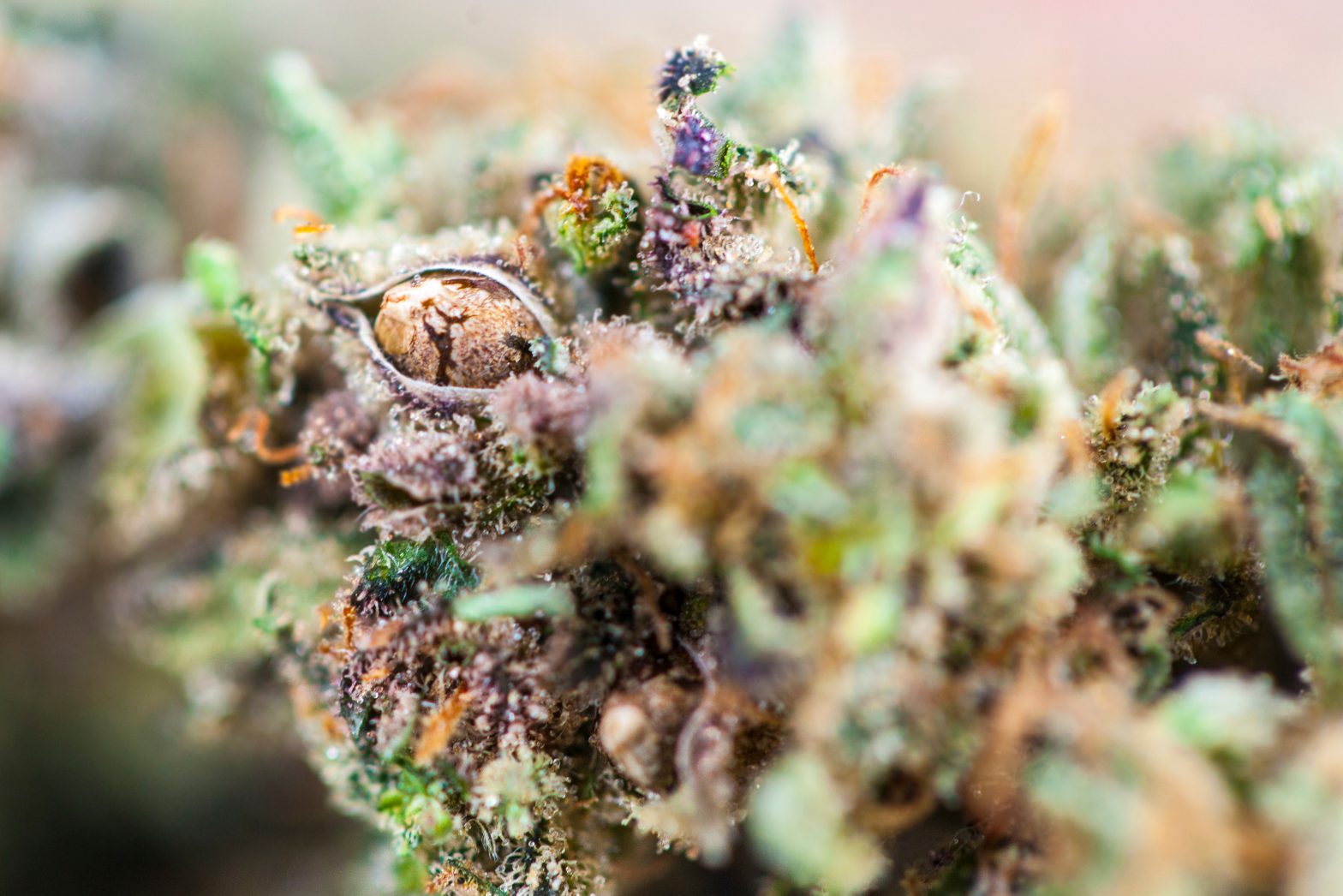
To grow high-quality cannabis, you must purchase high-quality seeds. At Mediseed Man, we aim to provide our customers with quality genetic seeds that will produce a significant amount of trichomes. Trichomes are hair-like growths found on plants that give the strain a bitter taste. Variant trichomes grow on cannabis and often change as the plant matures. Trichomes are a deterrent to protect the plant from animals and insects and are essential for healthy growth.
Within the Australian cannabis seed industry, Mediseed Man upholds a high standard of seeds that give you a good chance of developing these characteristics in your cannabis.
The Value of Using Organic Nutrients and Quality Living Soil
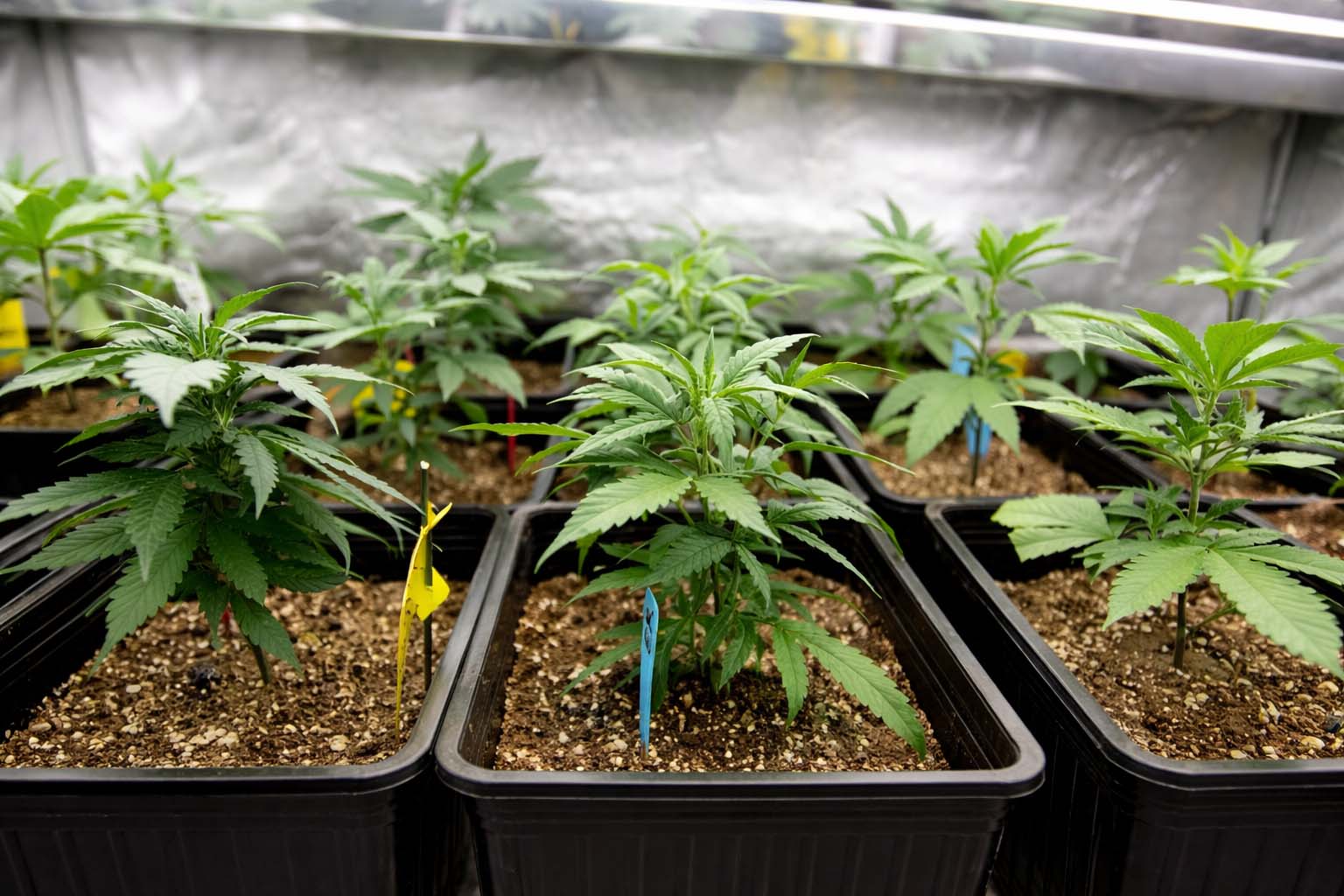
The characteristics of your plant are formed through its growing cycle, one of the most critical factors being the soil. Cannabis plants need energy during their flowering stage; feeding the plant sugar carbohydrates is guaranteed to produce the highest terpenes. At the same time, many growers prefer hydroponic growing rather than soil or compost. However, this method does not allow for organic growth. Soil or compost is a fundamental approach when growing cannabis with terpenes in mind, as the soil is native to cannabis and is far more effective for nutrient absorption. When you aim to keep your plants well-fed and full of energy, soil beats aqua- and hydroponic structures in almost all circumstances.
The Importance of Low-Stress Training
The correct amount of stress must be applied to stimulate a cannabis plant’s maximum trichome and terpene production. Low-stress training is a reliable method that naturally strengthens the protection of the plant.
Common stress techniques are thinning the fan leaves, undercutting the plant and branch pinching.
Thinning the fan leaves, when done correctly, trains the plant’s branches to grow evenly. The energy of the cannabis plant is redirected and protects its flowers, allowing an increase in terpene production.
Undercutting your cannabis plant is a method that removes excess growth and extra leaves surrounding the stem. This method reduces stress and directs valuable energy into flower development. Undercutting should be performed in the days leading up to the flowering stage; too much pruning could have adverse effects.
Branch Pinching applies pressure to the stems with your thumb and index finger. It strategically forces each flower to grow without shading another. This process is done lightly and allows the cannabis plant to produce more terpenes.
Controlling the Light Quality and Exposure
To increase the level of terpenes, you need to focus on providing the proper amount of UV lights. UV lights at the right intensity can significantly increase the cannabis plant’s terpenes and oil production. Purchasing the correct light bulbs or LED panels that replicate natural sunlight will ensure your plants receive the right amount of light. Introducing your cannabis to a higher, controlled amount of UV lighting will allow the plant to produce more oil and resin. Cannabis grows these substances to protect the plant. Keeping the plant in a low UV environment will create extra heat from infrared rays. It is crucial to monitor the light quality and exposure consistently as too much UV light can also kill the plant.
Maintaining the Temperature and Humidity Levels
The temperature and humidity maintenance levels may scarcely vary between strains. An approximate guideline is:
The seedling cycle is between 20-26°C, with an average humidity level of 65-70%.
For the vegetative stage, between 22-28°C, gradually lowering humidity levels until it reaches around 60%.
For the flowering stage, keep the humidity at 50%. While the UV lights are on, maintain a temperature between 20-26°C. With the UV lights off, a recommended decrease in temperature is between 5-8°C.
Keep the temperature between 20–23°C while the lights are on during the final two weeks. Once the lights are off, lower the temperature to between 18–20°C. Humidity levels during the final two weeks should now be reduced to 30%.
Lowering the temperature and humidity within the final two weeks of the plant’s life cycle will help the flowers produce an increase in oils. When this happens, it signals to the plant that Winter is near and it must create its essential oils, or it will die.
Increasreasing Humidity Levels:
- Invest in a humidifier.
- Use a spray bottle to mist the air regularly.
- Place open water containers around the room.
Decreasing Humidity Levels:
- Invest in a dehumidifier.
- Lightly water your plant before turning the UV lights on, allowing the soil to dry faster under the head of the lights.
- Use an oscillating fan to increase fresh airflow.
Increasing the Temperature:
- Invest in a heater with a thermostat that will automatically turn off once the room reaches the ideal temperature.
- Use high-watt HPS grow lights; the more watts, the more heat it produces.
- Position a heat mat on the floor of the room.
Decreasing the Temperature:
- Use an oscillating fan to increase fresh airflow.
- Only run the lights during the night and keep them off during the day.
- If possible, switch to LED lights. Or use a cooling tube when growing under HPS lights.
- Invest in an air conditioner.
Flushing and Harvesting your Plant
Two weeks before harvesting, flush your cannabis by only feeding it pure water. Nutrients accumulate and can overwhelm the cannabis by dulling the terpenes when the flowers harvest. The flushing method helps clean the plant of any excess nutrients that may affect the final flavour or fragrance of the strain. The plants will be healthier and last longer if done correctly.
Carefully harvesting your crop is essential. When done too early, the plant will not have reached its maximum terpene levels. The trichomes will rapidly deteriorate, altering their chemical content when the cannabis is left for too long. There are various ways to approach this method; however, none should cause any damage to the plant. Avoiding removing too many leaves or breaking branches is crucial.
Use a magnifying glass to observe the colour and shape of the trichomes once your plant is ready to harvest.
The Correct way to Dry and Cure your Plant
A proper cure is one of the most crucial factors in preserving the terpenes of your strain. Monitoring the humidity and temperature during drying and curing is just as important as other steps in growing cannabis. Below is a recommended approach for drying and curing.
For the first three days of drying the cannabis, keep the temperature at 20°C and a humidity level of 50%. After three days, between 17-18°C and 60% humidity. Using a fan during this process is essential for proper air circulation.
For curing your crop, keep the temperature around 20°C. The ideal humidity is between 59-63%. During the first weeks of curing, expose the jars to air three to five times per week to optimise humidity levels. Investing in humidity packs will be helpful for long-term growers.
Many stages in a cannabis plant’s life allow you to add something special to your crop. With the proper guidance from Mediseed Man, you can grow the most aromatic cannabis you’ve ever seen!