Firstly, cannabis companion plants take your gardening project from good to excellent by keeping it safe from pests, concealing crops, and promoting soil life.
Growing marijuana is a game with lots of moving parts. It would be best if you were concerned about the odour, appearance, soil, nutrition, light, trimming, and pests. The list seems never-ending. While growing other herbs alongside marijuana won’t solve every issue, it will undoubtedly make things much more straightforward.
Join us as we investigate this clever trick. We’ll also provide some helpful growing advice along with a list of the top cannabis companion plants.
Companion planting – what is it?
No matter the specifics of your cultivation project, companion plants for cannabis are a subject worth researching.
Companion planting for marijuana is an idea that is relatively simple to grasp. In the open, crops coexist with other forms of wildlife; therefore, symbiotic relationships develop due to evolution; however, we discover that plants thrive in the company of other plants over time.
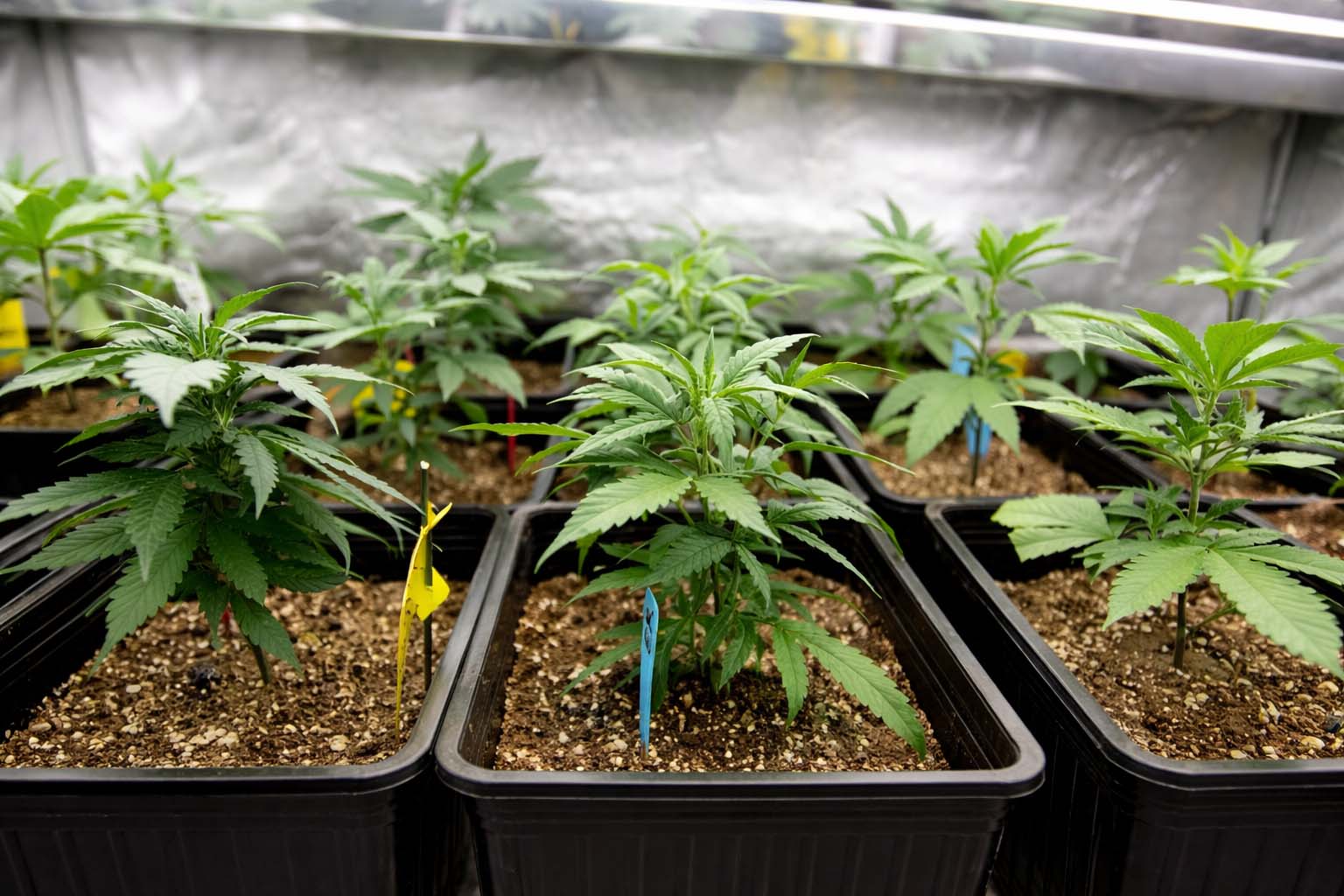
Cannabis companion planting entails growing beneficial plants close to your weed crops. The advantages provided by other species ultimately improve health and harvest quality.
This horticultural technique is neither novel nor restricted to weeds. For example, Native Americans used corn, squash, and beans in their practice. Cannabis and many other herbs can be grown similarly by contemporary farmers.
Numerous species are available to choose from as companions. How, then, do you locate the best one? The decision is based on the requirements and problems of your crops. For instance, red clovers improve soil quality, while basil deters aphids.
As a general rule, consider potential obstacles and make your decision accordingly.
The best location to grow weed will also factor into your decision. Because secure fields are only sometimes available, growers make do with rooftops, balconies, and backyards. In this situation, cannabis companion plants serve a security purpose and as a pest deterrent.
Advantages of cannabis companion planting
Marijuana companion planting can turn a straightforward garden into a sophisticated ecosystem that constantly improves itself. It leaves the area in good condition and free from outside influences.
For example:
- Biodiversity
- Overall protection
- Security
- Soil health
- Food and medicine
Recommended cannabis companion plants
Now is the time to get specific. Which cannabis companion plant is the best? Let’s look at the examples below.
There isn’t a firm answer to this question, just like there are few other aspects of gardening. Symbiotic relationships between weed and numerous other plants allow them to flourish, so you can plant whatever you like.
But according to Mediseed Man, the following eight species are the most effective.
#1: Basil
- Increase in bud flavour
- Masks the odour of cannabis
- Fends off dangerous insects
- Brings in helpful insects
An excellent cannabis companion plant is the “prince of plants.” One benefit of its sweet scent is that it is an ideal cover for marijuana colas in flower.
#2: Lavender
- Masks marijuana odours
- Brings in pollinators
- Repels mice, ticks, and fleas
Blooming lavender is a precious cannabis companion plant, similar to basil. Its scent and colour draw beneficial pollinators that support the diversity of nature.
The scent of lavender turns off a lot of pests. With some violet flowers in your garden, so you won’t need to use chemical repellents to keep away ticks, moths, mice, or fleas.
Additionally useful for indoor companion planting is lavender. It takes the place of a carbon filter to eliminate the recognisable marijuana aromas in the growing space.
#3: Marigold
- Visually concealed cannabis
- Prevents pest
- Fends off insects
You can already tell why marigolds are effective cannabis companion plants by looking at their stunning golden flowers. When compared to their beauty, nobody would even notice your blooming cannabis.
These florets repel a lot of insects, such as moths and whiteflies. On the other hand, wasps and aphids prefer them and avoid your buds.
Another advantage of marigolds applies to the entire garden. Insecticide produced by their roots seeps into the ground and affects other plants. Before you know it, your growing area is free of creepy crawlies.
#4: Chamomile
- Reduces the risk of fungal infections.
- Provides calcium and potassium
- Prevents flies and mosquitoes
- Returns every year
A fantastic weed companion plant in outdoor settings is camomile. It deters mosquitoes and whiteflies, for starters. Additionally, it draws hoverflies, which kill dangerous insects.
Seedlings and veg plants can avoid fungal infections thanks to the chemicals in camomile. The flowers release scrumptious nutrients into the soil as they break down and transform into mulch.
As camomile blooms every year, the assistance provided by these flowers lasts for more than a year. It will reappear yearly, therefore, providing you with a consistent cannabis companion plant.
#5: Lemon balm
- Keeps pests at bay
- Masked cannabis odour
- Enhances the flavour of cannabis
- Returns every year
We can only discuss companion plants for indoor growing if we mention lemon balm. These medicinal herbs are lovely on their own, but they are even more advantageous when kept next to growing weed.
This herb’s potent aromas cover up the smell of flowering buds. The citrusy odour, according to growers, might even permeate your smokable flowers.
Gnats and mosquitoes are also deterred by the citrous scent, especially as it begins to bloom. Entering Winter, the leaves shrivel and drop, only reappearing the following year.
#6: Sunflowers
- It covers crops for weather protection.
- Dissuades insects
- Makes the soil more drained
Sunflowers are the ideal marijuana companion plant to use as physical barriers for young marijuana plants. These stunning plants can reach 9 feet and shield crops from the wind, nosy neighbours, and invasive shrubs.
The beneficial buds drawn to these lovely flowers eat spider mites for breakfast. It is much more fascinating to aphids, slugs, and whiteflies than cannabis.
Sunflowers also help the soil. Their strong root networks are more potent than water drainage.
#7: Clovers
- Boost the supply of nitrogen and enhance soil drainage
- Entice butterflies and bees
- Disguise marijuana
Even with the best soil for marijuana cultivation, nitrogen availability can be a problem. Here’s where clovers come into play.
The availability of nitrogen for vegging weed is increased when clover is present. Additionally, they draw nutrients from the atmosphere and store them in their roots. As a result, decomposing leaves provide new mulch in the soil rich in nitrogen.
Additionally, the deep root system aerates the soil and enhances drainage. The clovers break the texture, making it easier for water, air, and nutrients to flow.
#8: Peppermint
- Discourages most pests
- Masks the odour of cannabis
- Increase in bud flavour
Peppermint, like other aromatic marijuana companion plants, primarily offers olfactory advantages. The potent aroma hides cultivation from prying eyes. Your taste buds might pick up some of the mint’s essence.
The tasty mint flowers deter mice, roaches, ants, and aphids. However, it draws butterflies and other pollinators, promoting biodiversity.
Herbs helping herbs
Our key lesson is straightforward. Were you looking for a natural alternative to synthetic pest repellents? Use plants that can grow with cannabis. Do you need to hide your plants? Use plants that can grow with cannabis.
Are you looking for a holistic farming method? Companion plants are helpful.
Use one of the species we mentioned to experience the benefits firsthand. Create a self-sustaining ecosystem to advance your environmentally friendly cultivation efforts.
Lastly, to learn more about improving your gardening skills and starting your growth journey, visit our Mediseed Man store and follow our blog.