
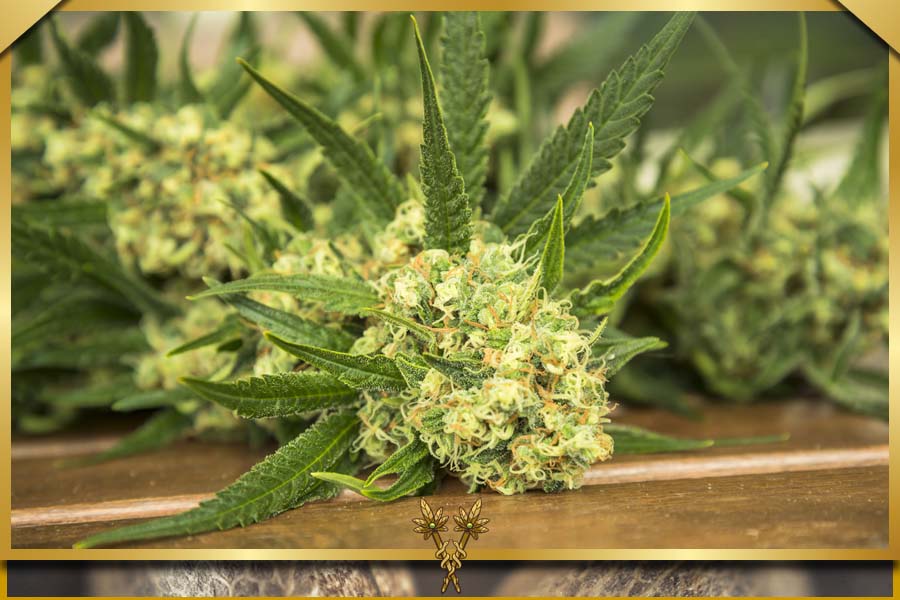
The first step in starting an organic garden is removing all synthetic products, as well as developing a basic strategy to prevent them from returning to your garden ever again. All soil should be obtained organically and treated organically. You should also look at organics from the standpoint of waste reduction: If you can use something again, then don’t discard or replace it. Re use it!!
Growing organically refers to any method of cultivating without the use of synthetic nutrients, fertilizers, pesticides, hormone retardants, or other additives. It also refers to a method of growing that is free of unnatural genetic modification.
Using artificial growth hormones and boosters can result in much higher yields than organic crops grown under similar conditions. But, comparisons should only be made where growth stimulants are excluded from artificial methods. There is a consensus among scientists that organic cultivation will, in general, produce no more than artificial cultivation, but can equal it.
This is because artificial cultivation can involve techniques and chemicals that aren’t approved by the organic community. It’s also widely accepted that organic cultivation can produce roughly the same amount as artificial cultivation.
The organic method typically uses less energy and does not use pesticides, so a 10% difference is considered minor. Marijuana growers can expect similar differences, but it depends on the strain. The pre-organic era gave us countless examples of supersized buds in the 90s, but we also have strains that grow equally well under lighting as low as 600W without synthetic boosters.
The bottom line is that switching to organics won’t significantly reduce your yield, and the trade-off for your health alone is worth it. We know from past results you can still maximize cannabis with organics.
The TLO method is an all-natural/organic way of growing that gives the power back to the plants. Plants have been feeding themselves for longer than anyone can comprehend by obtaining what they need from the soil in which they live. It has always been the same with cannabis. Somewhere along the way, cannabis growers began to take the controls away from the plants. Later, the soil was also taken away from the plants.
Their plants were forced to take nutrients even when they didn’t want them. They removed the natural sources of elements and replaced them with synthetics. Growing organically is a world apart from using nutrient solutions and chemical additives.
Through TLO growing, plants eat what they need, when they need it using the power of microlife. It gives the plant control over itself rather than relying on the grower or what the Hydro shop guy says to do. The roots of a plant actually communicate with the microorganisms that live underground in the area immediately surrounding the roots (the rhizosphere). Certain elements are provided by the plant in order to attract the appropriate microlife.
These microbes produce nutrients that the plant requires, and bringing them close to the plant means that these nutrients are now available to the plant. All natural and organic chelating acids and compounds are produced by the activity of all microbeaties.
This is the main process that we don’t want to interrupt by using unnaturally chelated liquids, lest the microorganisms die of atrophy. Because of cannabis’ ravenous appetite and rapid growth, soil(s) for cannabis in containers must be substantially different from soil(s) for other plants, especially under normal high-performance grow room settings.

Experience: 25 years in the cannabis seed industryExpertise: Cannabis genetics, seed selection,…

Picture a modern Australian evening: a cork twists from a wine bottle,…

This paper contributes to the sensory analysis of wine and cannabis by…
If you’re asking, “Which cannabis seeds can I legally buy in Australia,…
Growing cannabis indoors in Australia gives growers more control over plant health,…
When growers first learn about cannabis, they often ask this question: What…
2026 2 March
Picture a modern Australian evening: a cork twists from a wine bottle, a jar clicks…
2026 28 February
This paper contributes to the sensory analysis of wine and cannabis by examining their shared…
2026 27 February
If you’re asking, “Which cannabis seeds can I legally buy in Australia, and why does…