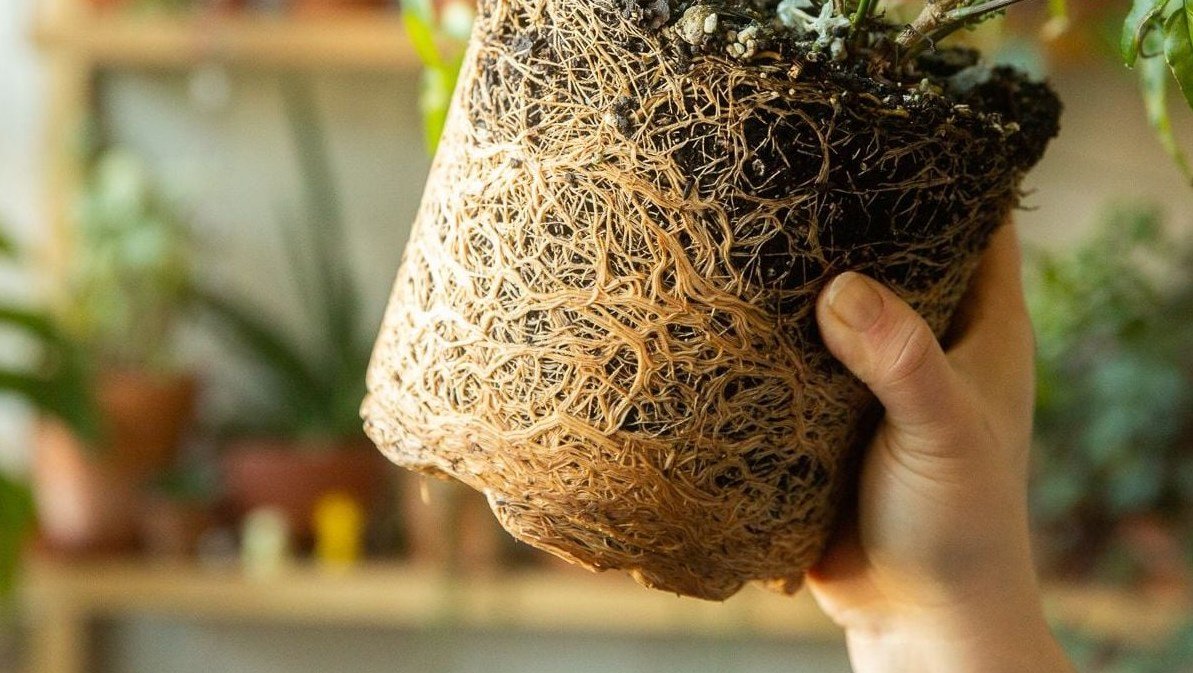
One of the most frequent problems with growing weed is root-bound cannabis.
Maybe you’re a beginner or an experienced grower who wants to learn more. It’s crucial to understand the issue with bound roots in cannabis plants.
Imagine you have a root-bound marijuana plant. Not to worry! Your efforts have not been in vain. If you know what to do, your weed should be able to bounce back and grow.
Learn everything there is to know about root-bound plants by reading on. We describe the causes, symptoms, and solutions to the issue of root-bound cannabis.
What is root-bound cannabis?
Cannabis plants that are “root bound” have roots that have outgrown their container.
When roots can’t spread out or absorb enough water and nutrients, your weed won’t feed. It can become ill, stop growing, and eventually die.
The main problem with root-bound weed is that it affects pot-based indoor growers. Roots produce greater, healthier harvests with space than those with insufficient space. Outside, the roots may encounter a barrier like a rock, but this is uncommon.
Understanding how to identify root-bound symptoms, address the issue, and prevent it is crucial.
Five signs of a root-bound weed plant
A root-bound weed plant will exhibit many symptoms. Some symptoms are simple to identify, but others may not be apparent until it’s too late.
It’s essential to know what to look out for and how to manage it to guarantee a healthy crop with large buds. Let’s look at the signs of a plant that is root-bound.
Nutrient deficiencies
A root-bound cannabis symptom that can ruin your harvest is nutrient deficiency. Tangled roots are unable to take up enough water.
Cannabis requires more than just watering. A plant won’t grow well, and its buds might not fully develop if it isn’t getting the nutrients it needs. Stunted growth and leaf discolouration are early indicators of a deficiency.
Nutritional deficiencies can also have an impact on your crop of cannabis.
The soil is drying out too quickly.
Your soil drying out is one of the most noticeable signs of a root-bound weed. Your plant system may need more water or be too large for the pot.
There are many reasons why soil dries out too quickly, including the following:
- Excessive heat
- Your soil’s pH Nutrient problems
- Poor water quality
What if you follow the instructions exactly and your soil is drying out? The most likely cause is that the cannabis root system immediately absorbs the water to feed an oversized plant.
Small buds and slowed growth
Smaller-than-expected buds and stunted growth are signs of root-bound weed plants. In this state, the crop cannot develop further.
The branches and buds cannot continue to grow if nutrients and water cannot reach the leaves.
You may have root-bound marijuana plants if your crop and buds suddenly stop growing. We advise taking measurements frequently throughout the entire developmental process.
The weight of the cannabis plant causes it to tip.
A cannabis plant may occasionally begin to topple over due to its weight. It’s typical for some strains as a feature of their unique profile.
Cannabis plants that topple over may indicate that you are growing to perfection, or they may require bamboo support.
On the other hand, if your marijuana plant begins to lean, it may be a root-bound marijuana plant. Unfortunately, it’s challenging to identify this symptom.
Cannabis has an overall sick appearance.
Always examine your crop’s general appearance. If your marijuana appears sickly, there is a problem.
Various factors can cause cannabis to appear unhealthy, but it may also indicate that the plant is rooted-bound. Here are some crucial signs:
- Leaves that are discoloured or distorted
- Plant growth has been slowed
- soil drying too quickly or remaining wet for an excessive amount of time
- Undeveloped buds
When growing, it’s essential to watch for any illness. The earlier you recognise these problems, the better.
How to avoid cannabis plants getting rooted-bound
Knowing how to avoid root-bound cannabis makes growing easier because it is relatively simple to prevent.
Growing auto-flowers is a fantastic way to lower the risk of root-bound plants. They typically don’t get too big and need less upkeep.
If you want to avoid problems like a root-bound weed, it’s worth looking through our incredible selection of fast-growing weed seeds.
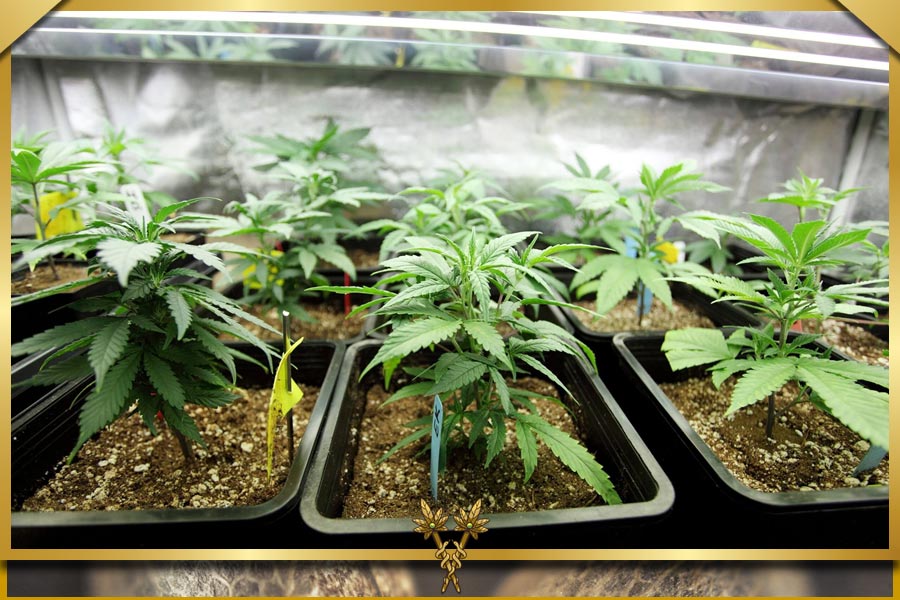
Make sure the container where your cannabis grows has enough space for the plant’s roots. The marijuana requires a bigger container as it grows.
Growing weed includes transplanting cannabis into a larger container. Avoid root-bound marijuana by doing this process at the appropriate time.
How to free root-bound marijuana plants
With just four simple steps, you can restore the health and bloom of your plant.
Step 1: Take the marijuana plant out of the pot.
While holding the main stem in your hand, cover the soil’s surface. The root ball can then be removed by turning the pot over.
To loosen the soil, you may occasionally need to massage the container. Cutting it out becomes necessary if it refuses to move.
Step 2: Carefully unwind the root ball.
Firstly, moving a root-bound weed plant requires caution.
It’s crucial to loosen the root ball before replanting it when transplanting.
To allow the roots to spread out in their new home, carefully untangle them with your fingers. By doing this, the plant won’t stay bound.
Step 3: Trim the marijuana roots
Cannabis plants are pruned by removing certain parts of them. To transplant a root-bound weed plant into a new container, you must first snip the ends of the roots. Plant health, in general, depends on clipping.
Dead ends are removed from exposed roots by clipping the tips, enabling them to recover and grow in their new environment.
Be cautious when pruning. Your plant may be shocked and hurt by clipping. Here are a few pieces of advice:
Use precise scissors for trimming. Steer clear of dull or serrated blades.
Tearing away bits with your hands will damage the plant.
Watch out for young plants. Early in its development, marijuana is most sensitive.
Step 4: Move the marijuana plant into a new container.
Moving a cannabis plant to a new, larger container is the last and most effective remedy for a rootbound plant.
Cannabis transplantation is not tricky, but it is essential to do it correctly and safely. Shock may result from moving marijuana to another pot.
Here is our guide to repotting a root-bound plant:
- Avoid contaminating delicate roots by wearing gloves.
- To lessen the shock, mist the plant with a bit of water.
- A new pot at least twice as large as the old one should be used.
- A fresh pot at least twice as large as the old one should be used.
- Avoid damaging the plant’s roots when moving it.
- Keep it out of bright light
- Water the plant in its new location.
If you follow this procedure, a root-bound cannabis plant will probably recover and flourish.
No longer restricted
You understand how to prevent, detect, and save weed if root-bound occurs.
Knowing everything there is to know about root-bound cannabis will enable you to either continue cultivation or begin as a beginner with knowledge.
Following our suggestions, you can anticipate a ripe crop of tasty, plump buds.
Lastly, for the best seeds to easily grow the tastiest strains, visit the Mediseed Man store.