Have you ever questioned whether marijuana is a stimulant or a depressant? Well, it has been categorised as both by many.
By enabling millions of Australians to relax and treat certain conditions, marijuana improves their emotional and mental health.
Cannabis is a crop that grows naturally and produces flowers that contain cannabinoids like THC and CBD. While the latter generates holistic benefits that aid medical issues, the former creates psychoactive properties like pleasure and vitality.
Join us on our Mediseed Man Blog as we debate whether marijuana is a stimulant, a depressant, or a hallucinogen.
Is marijuana an up- or down-er?
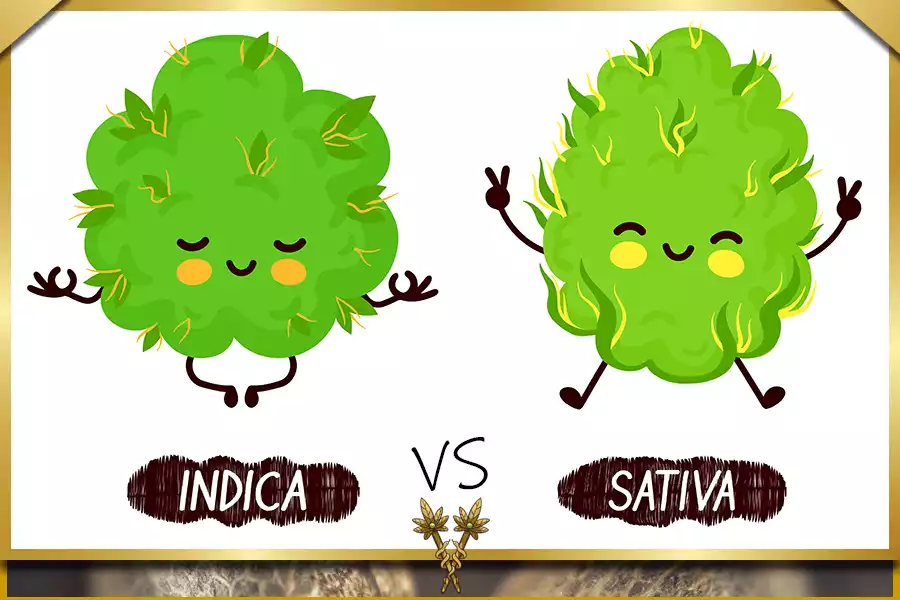
There are two types of cannabis: indica and sativa, and numerous hybrid strains that growers have developed by mating these two species. Is marijuana an up- or down-er? It might result from the various effects of the cultivar’s subspecies.
It’s a bummer because indica strains have a calming effect that is ideal for easing anxiety and promoting sleep. While sativa frequently gives us an upper-like high that is more active and uplifting.
Our responses to different strains vary. Indicas may help with nausea, pain relief, and hunger stimulation, while sativas may help with mental disorders like depression or anxiety. However, it is still possible to smoke sativa and experience an indica-like high, which is also true the other way around.
Sativa and indica structural characteristics are frequently found in hybrid cannabis strains, and the effects can occasionally be balanced or combined. It heavily depends on growers’ crossbreeding techniques and parent genetics.
Is marijuana an antidepressant or a depressant?
Depressants are frequently among the most commonly used medications worldwide. They suppress central nervous system (CNS) activity, relax our muscles, and calm nerves. Some claim that marijuana is depressant because it may provide pain relief and improve sleep.
Antidepressants alter our CNS neurones, and many of them have addictive potential. Depressants include things like alcohol and Xanax (alprazolam).
It’s simple to assume that marijuana is a depressant because it may treat several conditions like insomnia, anxiety, and muscle spasms. The cannabinoids, which make up a large portion of the molecules in marijuana, are similar to depressants in their effects.
As you use THC over time, you may need to consume more to get the same effects. The regular use of marijuana has the potential to cause dependence.
We feel a variety of things after consuming cannabis, so is it an antidepressant or a depressant, according to various studies? When used in smaller doses, it has the potential to be energising.
This is why:
- Decreased anxiety
- Improved mood
- Euphoria
- Stimulates appetite, making it easier and more comfortable to enjoy meals.
- Decreased levels of depression
We experience a variety of effects when we smoke marijuana. Each strain has distinctive qualities. While some produce a surge of energy akin to stimulants, others have calming effects more akin to depressants.
Some may wonder if marijuana is a depressant. While some people might see it as one, others might not. The type of strain, amount of THC, and CBD content in the cannabis bud all play a significant role in the outcome.
Depressants help numerous disorders, including insomnia, anxiety, and muscle spasms. We can still get pleasurable effects from THC even when we only consume a small amount. You can achieve the same effect without overindulging by taking a few microdoses throughout the day.
To prevent overuse, it’s also critical to understand how long weed stays in your system. Your metabolism, body fat, level of hydration, and the dosage you receive will all affect how it feels.
Is CBD a stimulant or a depressant?
Stimulants are a class of drugs that increase the activity of the central nervous system. It helps increase the number of brain chemicals necessary to reduce the symptoms of some conditions.
Dopamine is the brain’s pleasure molecule. It increases dopamine release to alleviate depression symptoms. Patients with ADHD and those with narcolepsy can both benefit from stimulants to stay awake and focused.
Stimulants improve mood and mental acuity by influencing the brain’s dopamine and norepinephrine neurotransmitters. They can cause paranoia over time and are frequently highly addictive. Examples include cocaine, methamphetamine, and ADHD medications.
Despite being one of the many cannabinoid compounds, CBD doesn’t give you a “high.” There is no evidence linking the use of CBD to any problems with public health.
The endocannabinoid system is affected by CBD, but unlike THC, it does not bind to the CB1 and CB2 receptors. Instead, the body can benefit from CBD because cannabidiol molecules prevent the breakdown of endocannabinoids.
The serotonin receptor is inhibited by CBD, which improves how we experience hunger, pain, anxiety, sleep, nausea, and vomiting. Numerous studies on the benefits of marijuana claim that CBD is a stimulant rather than a depressant.
Is cannabis a depressant?
Tetrahydrocannabinol, or THC, is the chemical compound that gives marijuana most of its psychological effects and the “high” feeling. It is a stimulant and works like naturally occurring cannabinoid compounds in the body.
THC molecules bind to the brain’s CB1 and CB2 cannabinoid receptors. We experience euphoria, increased hunger, and pain relief when THC binds to these receptors. To gain a thorough understanding, learn what effects THC has on the body and brain.
The brain’s production of endorphins is one of marijuana’s cerebral advantages. These feel-good hormones are released during exercise, during sex, when you smile and laugh, or when you are in distress.
Is marijuana psychoactive?
Cannabis is undoubtedly psychoactive, but how each of us reacts to it is a crucial distinction.
A psychoactive substance is a chemical that modifies how the brain functions. It results in changes in perception, mood, level of consciousness, cognitive function, and behaviour.
THC, the psychoactive component of cannabis, may cause the following effects:
- Social isolation
- Euphoria
- Anxiety
- A lack of motor coordination
- The illusion of time dilation
Keep in mind that each person and each strain have different effects. It appears that weed is psychoactive because some users may feel at ease and peace after using it, while others might feel overburdened or anxious.
Is weed a hallucinogen?
Chemicals known as hallucinogens change your perception of reality by altering your sensory perception or intensifying your sense of sight or sound.
Is marijuana a hallucinogen, then?
Most frequently, cannabis is linked to hallucinogenic effects. Despite being probable, they are rare and do not impact all users. Additionally, hallucinations alter our perceptions of time, colour, and sound.
Marijuana may increase our sensory perception and have the following effects on us:
- Vividly observing colours and shapes
- Hearing sounds differently
- Greater sensitivity to touch
- Higher heart rate
- Separation from one’s surroundings or oneself
- Dry mouth
- Motor function loss
Please be aware that marijuana-related paranoia is different from hallucinations. In contrast to hallucinations, which are distorted perceptions of objects, events, or sensations, paranoia is a false assumption accompanied by mistrust.
Frequently asked questions
Here are quick responses to some of the most frequently asked questions about the various classifications of marijuana.
What category does weed fit into?
Cannabis tends to have various effects on users, making people wonder what category this substance falls under. For some people, marijuana may have a strong depressant effect.
Each person who uses it will likely have different experiences, but they will all likely agree that marijuana is a psychoactive substance that acts as a stimulant, depressant, and hallucinogen.
Is marijuana a psychoactive stimulant?
THC is one of the ingredients in marijuana that stimulates our central nervous system. Some cannabis strains, like sativa varieties, are considered psychomotor stimulants. Additionally, the effects are greatly influenced by the strain of cannabis you consume, such as sativa, indica, or CBD.
Cannabis has various therapeutic and physical effects that vary from person to person. Giving us a sense of peace and tranquilly while energising and focusing on others.
Is marijuana a narcotic?
It also begs the question of how the government classifies marijuana. Drugs that are physically or mentally dangerous are referred to as “narcotics” by government officials.
Cannabis has many advantages for our bodies and minds, so most users don’t consider it a narcotic. We hope that this classification will soon change, as marijuana has a variety of uses that have the potential to make the world a better place.
Cannabis and all of its potential
We now know that although marijuana is a psychoactive, stimulant, depressant, and hallucinogen, it poses significantly fewer risks than other drugs. It has a wide range of individual variations in its psychological and physical effects.
Cannabis can relax some people while energising and sharpening their attention in others.
Would you be interested in learning more about the marijuana industry in Australia? While easing physical tension and discomfort, it may assist us in managing mental health conditions like depression and anxiety. Visit our blog for advice on cultivating flavorful and potent buds at home.