Identifying and treating marijuana’s root rot
A marijuana plant may become infected with root rot, a serious problem. Water, oxygen, and nutrients are gathered and transported by the roots to the rest of the developing plant. Insufficient drainage causes roots to drown when plants are overwatered, which prevents them from absorbing oxygen and causes them to begin to wither. A marijuana plant won’t develop healthy roots, so that it won’t grow properly.
The roots of weed plants may also die off from inadequate watering. A proper water ratio to drying time is necessary for healthy roots to absorb oxygen.
Root rot causes nutrient-poor and stunted plants and is almost impossible to treat. You’ll probably have to throw it out entirely if the plant gets root rot.
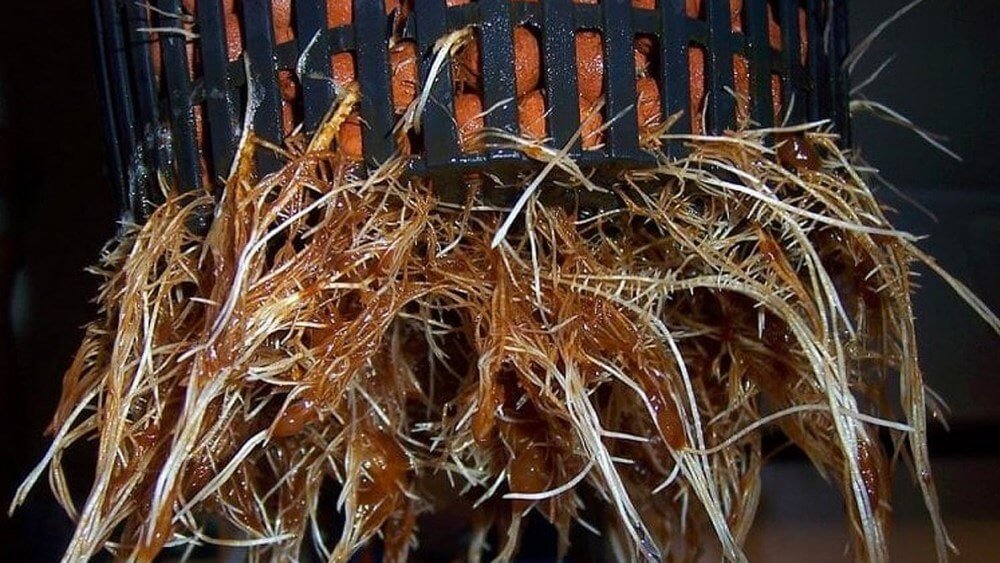
Check the roots in hydroponic systems; if they are brown, slimy, and lacking vigour, they may have root rot.
What Are the Signs of Root Rot?
Root rot can make your plant’s leaves look unhealthy from the outside, similar to how any soil plant will appear after being severely overwatered or overgrown.
All of the following signs and symptoms may be present:
- Leaves with edges that appear burnt
- Leaves that are yellowing or pale with brown spots
- Old leaves drop and die, then abnormal or slow growth.
- A general appearance of weakness or wilting
- Brown, mushy roots release a musty or disagreeable odour
Checking under the plant is the simplest way to determine whether there is root rot. Healthy roots should appear milky white and stringy, in contrast to affected roots, which will appear slimy, brown, and twisted.
How to keep marijuana plants’ roots from rotting
With the following precautions, the risk of root rot can be reduced:
- Have a healthy population of bacteria and microbes in your soil. These populations aid in controlling the fungus that causes root rot.
- Correctly water your plants. This entails measuring the quantity of water provided to each plant and monitoring the behaviour of the plants daily. Overwatering plants is preferable to seeing them begin to wilt.
- Have breathable soil. Growing in smart pots and incorporating perlite into the soil are two strategies to promote soil drainage and oxygen flow.
How to make your marijuana plant’s roots healthier
The fundamental processes of a cannabis plant will break down without a healthy root system, leaving the plant sickly and frail. To give a young plant a solid foundation, many gardeners concentrate on growing the plant’s roots rather than the actual plant.
Here are some pointers for maintaining the health of cannabis plants’ roots.
Oxygen
Roots absorb oxygen during cellular respiration, a process that generates ATP energy. The plant won’t be able to produce the energy necessary for its roots and leaves to continue growing without oxygen.
To maintain the root system’s healthy oxygen flow:
- Dry the soil between waterings. Insufficient moisture prevents dirt from breathing properly; roots absorb oxygen as the soil dries out. Dry intervals between waterings are required for oxygen absorption.
- Use a smart pot. These pots’ porous build allows oxygen to enter through the sides. Plants buried in the ground or rigid containers can only take oxygen from the atmosphere’s surface.
- Combine peat moss, vermiculite, and perlite. These components aid in fluffing up the soil, creating more room for oxygen to flow through and preventing compaction.
- Use full-featured soils. These encourage the growth of microorganisms, fungi, and insects that keep the soil loose and support the development of root networks throughout the soil.
Make sure your roots are constantly submerged in water when using hydroponic systems and use a dissolved oxygen metre to check the amount of oxygen your plants are getting.
When cultivating plants outdoors, it’s important to avoid compacting the soil while tilling it to allow for proper oxygen flow.
Warmth Around 24°C, roots are most active and content. To maintain a clean, healthy indoor air cycle, it’s a good idea to place the air intake below the canopy and the exhaust above it.
Cannabis grown outdoors with a cover crop helps maintain a more stable soil temperature while preserving the topsoil.
Spreading hay or mulch around the base of plants can also help control temperature, but make sure to leave a 6-inch space clear around each plant’s stalk because mulch with too much moisture can rot the stem if it comes in contact with it.
Proper Watering
Roots constantly look for water as they grow and move away from the central taproot. The watering radius, or the area around the plant stalk that you water, should expand as a plant grows. By doing this, you can direct roots as they look for available nutrients in the soil to the pot’s edges.
However, watering too far from the location of the roots can result in standing water, which can cause root rot, mould, and pest problems.
Before giving the plant another watering, the topsoil needs to be sufficiently dry. Put your finger one to two inches into the soil to feel dryness and determine whether a plant needs more water.
Pick the appropriate container.
As they spread out and look for water, oxygen, and nutrients, roots require a lot of room. A plant’s root system can choke off when crowded, leading to rootboundness. The plant may start to die off at the roots and develop root rot, resulting in its total demise.
Make sure to plant in a pot that is big enough for it to grow into by harvest time. If a plant grows too large for its original container, move it to a larger one and fill it with additional soil. It is even more crucial to give it plenty of space when planting in the ground because you won’t be able to move it.
If roots are growing through drainage holes, the pot is too small, and it’s time to transplant the plant to a larger container.
Before the plant blooms, inspect the roots because this is when they shouldn’t be moved or replanted.
Find new friends for your roots.
Plant roots directly interact with mycelium, the substance from which mushrooms grow. Mycelium aids in the availability of nutrients to plant roots and aids in the watering of roots. A plant sends down carbon in return, which aids mycelium in growing and expanding its network.
Mycorrhiza, a symbiotic relationship, is crucial for ensuring the health of roots so they can access all nutrients.
Mycelium is present in full soils, which makes them an excellent place to start. When potting plants, mycorrhizal powders can also be added to the soil.
Additionally, compost teas will help keep the soil populated with helpful bugs, critters, and bacteria, which will help keep nutrients readily available to roots.
When you next repot a plant, give the roots some thought to see if they require any attention. A healthy root system is essential for a cannabis plant to flourish and produce buds you’ll be proud to harvest.
In Summary
Because root rot is a severe condition that can spread to other plants, especially in hydroponic systems, most seasoned growers choose to remove the plant from the growing area. You won’t notice anything is wrong until a few weeks later when the condition starts to affect your plant’s leaves and branches. At this point, treating the situation is very difficult, and even if you can save your plant, it will have severe growing deficiencies. When dealing with this condition, the best action is to maintain an ideal environment for your plant and roots.