Cannabis transplantation is an essential skill as it cannot be grown until you master transplanting.
f you don’t transplant cannabis when it needs to be relocated, you risk having rootbound plants with restricted growth.
Although you want your plants to finish in nice, big pots because pot size affects yield, it’s not always a smart idea to start them out that way.
The keys to successful cannabis transplantation are observation, practice, and timing.
The keys to successful cannabis transplantation are observation, practice, and timing.
Knowing when to transplant your plants and how to do so without harming or overstressing them are necessary skills.
Plan to transplant cannabis up to around three times for most photoperiod growth.
You will need to examine the entire plant life cycle, when to transplant weed seedlings and how to move cannabis plants before flipping them, allowing them to enjoy flowering in their new location.
Why is it crucial to transfer cannabis?
The root ball spreads under the soil line while the plant grows above it, as it must have enough space to grow in each of these dimensions.
It’s crucial for both the quality AND the quantity of your eventual harvest.
Although the size of your pot affects how big your plants may go, moving marijuana from a small container to a huge one can be harmful.
The most significant benefit of transplanting cannabis is that it enables you to fine-tune your watering routine, allowing the rootball to grow reasonably.
If you transplant marijuana plants too soon, your root ball will fall apart. The plant may get rootbound if you don’t transfer your cannabis when needed, and the roots may overrun the container. Root-bound plants frequently become ill and die due to difficulty absorbing nutrients, oxygen, and water.
The key to successful cannabis growth is giving your plants the best conditions possible so they can flourish. One of the best approaches to achieve this is to gain confidence while transplanting cannabis.
How frequently should marijuana plants be moved?
If you germinate your cannabis seeds outside of the soil, planting them will be your first encounter with transplanting cannabis plants.
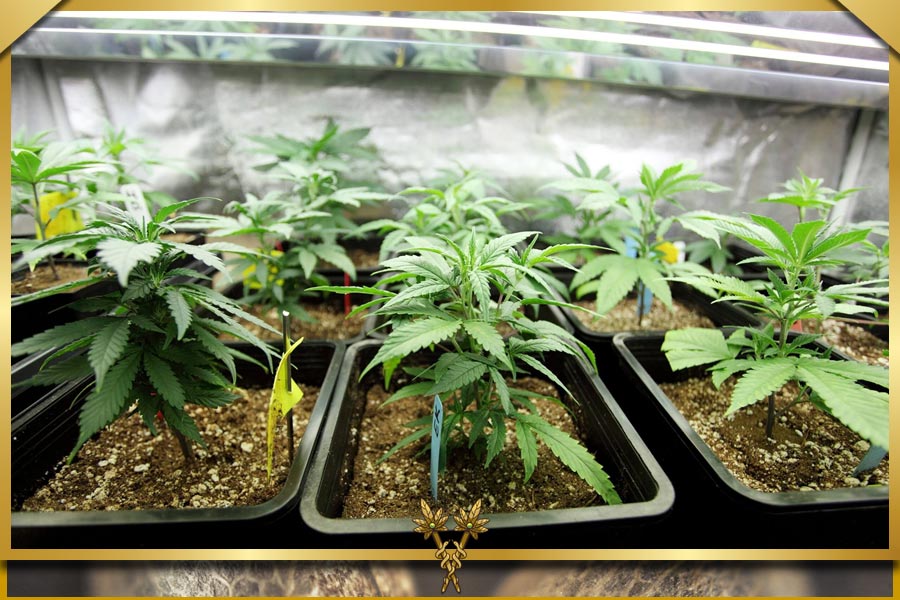
Moving cannabis seedlings into their first respectable-sized plant pot is the first important choice in the transplant process. This step will put the plant in a medium pot or their last.
Keep in mind that you cannot plan for a transplanting pot. Observe your plants and wait for them to signal you when it’s time to transfer them.
Beginners should consider moving their cannabis plants into medium-sized containers. This procedure will teach you how to water your plants effectively using the wet-to-dry watering cycle.
When should your marijuana plant be transplanted?
Examples of when to transplant weed:
- placing seeds in their first pot after they have germination.
- Seedlings are transplanted from pots into intermediate containers.
- Getting ready for flowering by transplanting into the last grow pot.
- The plant’s size, and consequently the size of the root ball, is the main deciding factor when transplanting cannabis.
During the seedling and vegetative stages, you can transplant cannabis as often as necessary, but you risk experiencing cannabis transplant shock each time.
The symptoms of a rootbound weed plant
It’s not too difficult to identify a plant that is rootbound. These signs include:
- Flimsy new growth
- delayed flowering
- a stem that has turned red.
- Sensitivity to or lack of nutrients.
- Leaf wilting and drooping.
- Stretching.
- Soil rapidly dries out.
- Abnormal leaf discolouration or spots.
- Another indication that it’s time to transplant your marijuana plant is when water absorbs slowly.
Lift your plant out of its pot so you can inspect the roots regularly. If you see tangled roots attempting to break free of the pot? This indicates that the soil is compacted or bound by roots. It’s time to transplant, either way.
When should cannabis seedlings be transplanted?
Every marijuana grower needs to develop the ability to determine when to transplant seedlings.
When the young plant sprouts its fourth or fifth set of leaves, you should transplant it. You should also regularly check the drainage holes to gauge the health of the roots.
You don’t need to immediately transplant your pot if the roots appear healthy and white. It’s time to act if they are tangled, discoloured, or growing outside of the container.
Regular inspections should enable you to transplant the plant before it exhibits severe symptoms of distress.
At what point in the vegetative stage do you transplant?
Never move the plant once it starts to flower. As soon as your plant enters its complete vegetative phase, transfer it to its largest and final pot. Compared to when they were in the vegetative stage, plants devote much of their energy to bud growth, leaving much less for root development.
Your marijuana grows to its full potential while flowering and requires lots of space to support essential processes. It also needs to take in all the delicious nutrients to pump them into your buds.
Avoid repotting your weed while it is in bloom. This advice is based on years of experience: moving your marijuana now will ruin your harvest.
Wait it out for the time being and learn from the situation to become a better grower.
Choosing the pot size when transplanting cannabis
Always pot cannabis plants into containers 2-3 times their previous size when transplanting cannabis. This technique lessens the necessity of moving your plants frequently and lowers the risk of cannabis transplant shock.
For every 12 inches of growth, a cannabis plant needs a minimum of nine litres of soil. When deciding when to transplant cannabis, knowing the potential height of the strain you are growing is always helpful.
How to plant seedlings: a step-by-step guide
Step 1:
Thoroughly clean your hands and sanitise the area (or wear clean gloves). These steps stop contamination from damaging the roots.
Step 2:
Confirm that the soil is mainly dry. Wet soil will crumble when removed.
Step 3:
Fill your receiving pot with freshly dug, tested, fertilised, and flushed soil.
Step 4:
Squeeze the pot and turn it upside down to free the plant from its present container.
Place it directly into the new pot with the old soil to reduce the chance of shock. Cannabis transplant shock can result from exposing the roots to bright light or leaving your marijuana outside the soil for an extended time.
Step 5:
Now that the plants are in place, water them
What to remember as you embark on your home-growing journey:
- Cut your nutes in half, let your plant dry, and get your new potting medium ready before transplanting young cannabis plants.
- Select a pot that is twice as large as the current container.
- Sterilise the area before transplanting your marijuana plant, keep your hands away from the roots, and avoid packing your pots too tightly.
- Work quickly but with caution. Keep the plant’s roots from being exposed to air and light.
- Your plants should settle. Avoid adding to the stress by altering the environment or your training.
- Never pot up during the flowering stage; always before; and give your plants two weeks to adjust before turning.