Having long-cultivated cultivars produce foxtailing buds that are aesthetically “disappointing” is depressing. Worst of all, it frequently occurs as you approach harvest and are in the home stretch.
Foxtail buds are disliked by many cultivators who hadn’t intended on it because of their appearance, but most of the time, it’s not a severe problem. Fortunately, if caught early enough, this issue rarely results in plant fatalities and is simple to fix.
Despite your best efforts, you might occasionally experience foxtailing when growing cannabis. We’ll examine what foxtailing is, its causes, how to spot it, and what you can do to fix the problem.
What is foxtailing weed?
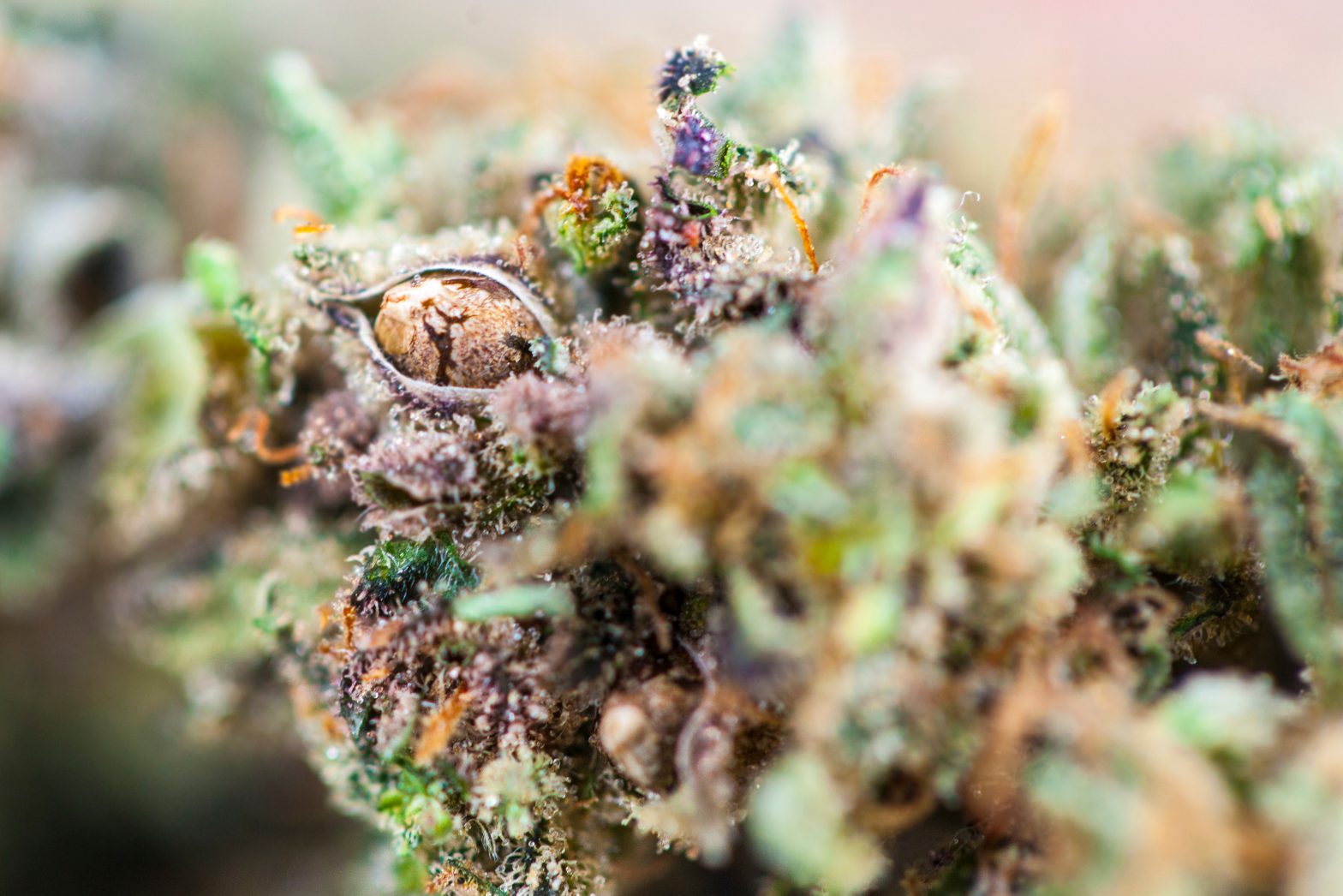
Foxtailing on weed occurs when calyxes build up on top of one another so noticeably, usually during flowering.
Buds make up calyxes, which typically develop uniformly as they group and serve as the potential homes for seeds.
On affected colas, foxtail weed plants develop unnaturally strange calyx spires or towers that shoot up and out unevenly. Instead of nicely rounded, solid nugs, you end up with slender pieces growing along the branch.
In most instances, this calyx over-development syndrome is terrible news because it causes the foxtail cannabis colas to loosen and become airy.
The flowers take on an odd, asymmetrical shape that resembles spiked-up colas. The buds lack the customary dense and rounded structure and instead have a bushy appearance, resembling a fox’s tail.
The fact that buds might not be as dense as they had hoped for is one of the main reasons why most growers don’t want foxtail marijuana.
To stop weed foxtail, tighten up the growing room’s environmental conditions, especially during the flowering stage.
Is marijuana foxtailing harmful?
Foxtailing cannabis isn’t necessarily harmful because it has no adverse side effects. It is more likely to occur in some strains than others, which could boost yields.
Foxtailing buds could be a sign that your plants are stressed. Please fix the issue before it worsens by taking the necessary steps. Foxtailing, fortunately, rarely results in death, but it can lower the calibre of your finished product.
Although yields are lower, the terpenes, THC, cannabinoids, and smoke quality are excellent. Foxtailing buds, according to some customers, can reduce the potency of your flowers, particularly if you have to harvest your flowers earlier than anticipated.
Sadly, heat or light stress causes you to lose some potency in the affected buds. Fix the problem by moving the lights farther away or adjusting the temperature to stop further harm.
Foxtailing on marijuana is not disappointing. This unusual growth process doesn’t necessarily indicate that you are a poor cultivator. That is simply the nature of the beast.
Foxtailing buds are less likely to affect you than worse and more frequent issues like root rot and deficiencies.
What causes cannabis plants to foxtail?
Before implementing the fix, you must understand what causes foxtailing. Below are the main causing factors:
Reason 1: Genetics
Genetics is primarily to blame for cannabis foxtail development. Although nature is imperfect, you have a choice based on the growth circumstances.
Our catalogue features a wide variety of strains. Some growers adore these varieties because they produce odd-looking plants with distinctive bag appeal and airy buds. Some of them have a stronger tendency to foxtail frequently.
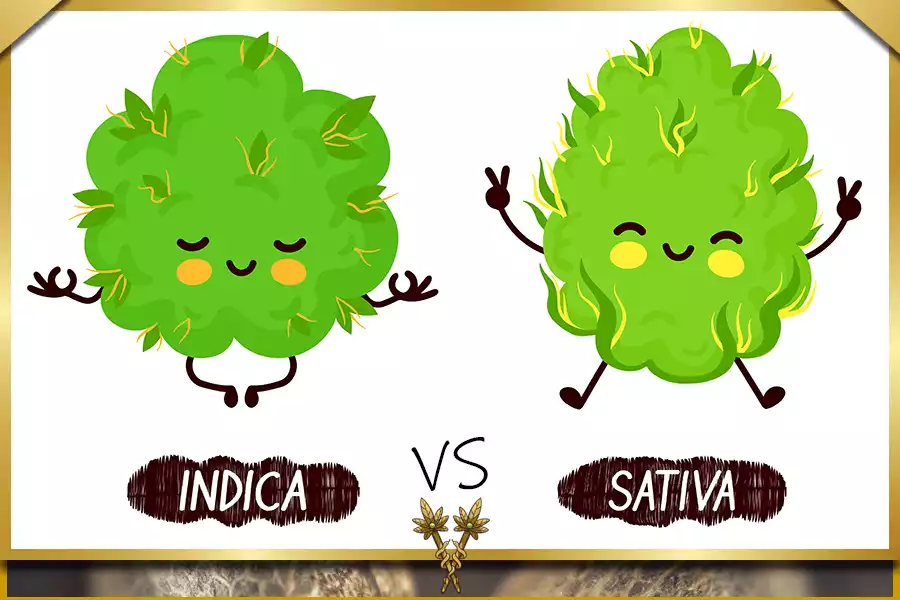
If weed foxtailing occurs outdoors, genetics is almost certainly to blame. Because of their elongated bud structure and long internodal spacing, sativas are more likely to exhibit it than indicas.
Reason 2: Light stress
Foxtailing buds may also occur due to cannabis light stress, mainly if LED lights are used indoors. Some artificial lighting sources may be too bright or close to your canopy.
LEDs don’t generate much heat, but some growers place them too close to the canopy for an extended period. They may not generate much heat, but they create a lot of light.
The plant may display signs of light burn or bleached leaf tips at the top of the canopy before foxtailing buds. Keep in mind that heat stress, which devastates the entire plant, is not the same as light stress.
Yellowing leaves, particularly at the top, signify mild stress before foxtailing.
Leaves under light stress continue to be predominantly strong. This indicates that they are less prone to wilting and falling than yellowing plants from a nitrogen deficiency.
Light stress is uncommon in plants grown under high-pressure sodium (HPS) or metal halide (MH) lights. You’ll hardly ever get weed foxtails when using them because growers are naturally aware of the heat they emit and place them farther away.
Because they are not very powerful, fluorescent lights (CFLs and T5s) are typically used during the vegetative phase and do not cause light stress.
Reason 3: Heat stress
HPS, MH, or plasma lights emit lots of radiant heat. These devices frequently cause heat stress, but thanks to modern cooler fixtures, this problem isn’t as prevalent as light stress. Foxtailing weed as a result of heat is, therefore, uncommon.
Depending on your grow lights’ power, you must maintain a certain distance between them and the canopy.
Because each grows light has unique requirements, take note of the different brands and models.
Foxtailing buds are not the worst damage that heat stress can do to your cultivar.
Throughout their growth cycle, cannabis plants prefer a consistently warm environment. Extreme temperature swings cause stunted growth, which has an impact on yields.
Reason 4: Poor root health
Issues above the soil can result from problems in the root zone. An anaerobic environment could cause foxtailing buds or a growing medium with an incorrect pH.
Never cut corners when using a pH metre because you’ll need to ensure that your water and growing medium enable optimal nutrient uptake. Keep the pH between 6.0 and 7.0 in soil and 5.5 to 6.5 in hydro because cannabis plants prefer slightly acidic water.
The incorrect pH results in nutrient lockouts, which result in foxtailing. However, it’s more likely that worse problems like deficiencies will show up first.
When the pH level is off, the plant won’t be able to absorb the necessary nutrients or beneficial bacteria. If you’re growing in soil, get pH metres and make sure the root zone has healthy microbes.
A weed plant that is not satisfied may begin to foxtail. The soil may appear in good condition to the unaided eye, but life abounds there. Some bacteria and fungi develop symbiotic relationships with your plant by metabolising nutrients in this medium.
Nematodes, one type of parasite, feed on roots, especially during the seedling stage when the root system is still developing. Microbial life involves much more than just watering, nutrient feeding, lighting, and harvesting. When growing in soil, it’s essential to understand this topic.
When to harvest foxtail buds
Foxtail cannabis buds are still suitable for use. It’s not as bad as more frequent problems like powdery mildew, bud rot, or moulding. Nugs with any of the issues mentioned should be immediately discarded.
Some growers manually trim cannabis foxtails or use automatic trimming devices. Don’t be shocked that you might have eaten foxtail buds without knowing it.
The rewards of your labour are still yours to enjoy since foxtailing cannabis is primarily a cosmetic problem. The yield is when trichomes change from clear to cloudy just before harvest.
Harvest should be done when 20–30% of the trichomes are amber. Make hash or squeeze out concentrates if the foxtail bud isn’t cutting it for you.
Unfortunately, taking cannabis that doesn’t have phytocannabinoids at the correct levels means harvesting earlier than anticipated. To improve harvests for most foxtailling strains, implement the fixes mentioned earlier.
Final thoughts on Foxtailing
Foxtail buds don’t cause any harm. However, they could cause stress. Keep in mind that today, light stress is the leading cause of foxtailing. We have also discussed adjusting your environment to prevent the problem from worsening.
For the best advice and solutions to any issues you face while growing, visit Mediseed Man.