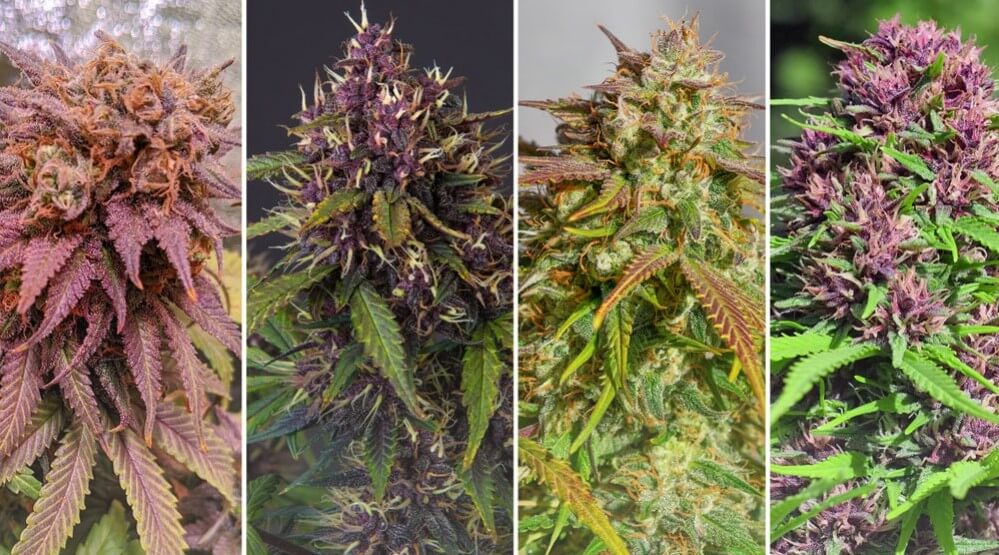
Have you ever noticed how the hues of various marijuana strains vary? While others have more intriguing shades of purple or white, some have vivid green tones with orange accents.
Buds typically come in various shades of green. You can’t help but be enamoured when you encounter a rarer variety.
What shades can weed have, then? Does the colour of cannabis strains affect their potency, and if so, why?
As we break down all the specifics below, you’ll learn the answer to these inquiries. We discuss how chemical constituents and growing conditions affect the shades. Join us as we uncover all there is to know about the various weed buds’ colours.
What influences how marijuana looks?
The environment, genetics, and other factors all impact the colour of cannabis crops as they grow. Occasionally, as they progress through the various stages of maturity, the leaves change colour.
Temperature variations cause the flowers of some strains to turn blue or purple. When the pH levels of cannabis change, some people get beautiful marijuana colours. Let’s examine some of these elements in more detail.
Developing Stage
When viewed during its early growth stages, a weed leaf’s typical colour is green because senescence is a process that some plants go through as they get older.
The weed’s hues could shift and get a little lighter. These modifications typically take place during the vegetative stage.
Temperature
Creating a warm environment is crucial for cannabis to grow best. For example, depending on the strain, the precise temperatures range from 18 to 29.5°C.
It would help if you didn’t reduce the temperatures significantly during the dark cycle for most cultivars. However, exposure to the cold causes some strains to develop different marijuana colours.
The pigment that gives plants their green colour, chlorophyll, is inhibited by cooler environments.
Nutrients and pH
Your cannabis crops suffer when the pH and nutrient levels in the soil are not optimal. Their declining health ultimately has an impact on the quality of the buds.
Discolouration is one of the symptoms of nutrient deficiency. Dark spots on the foliage and pale-coloured marijuana indicate that your cannabis needs to be treated.
A reddish pigment results from a low pH, whereas a high pH results in blue hues.
Trichomes
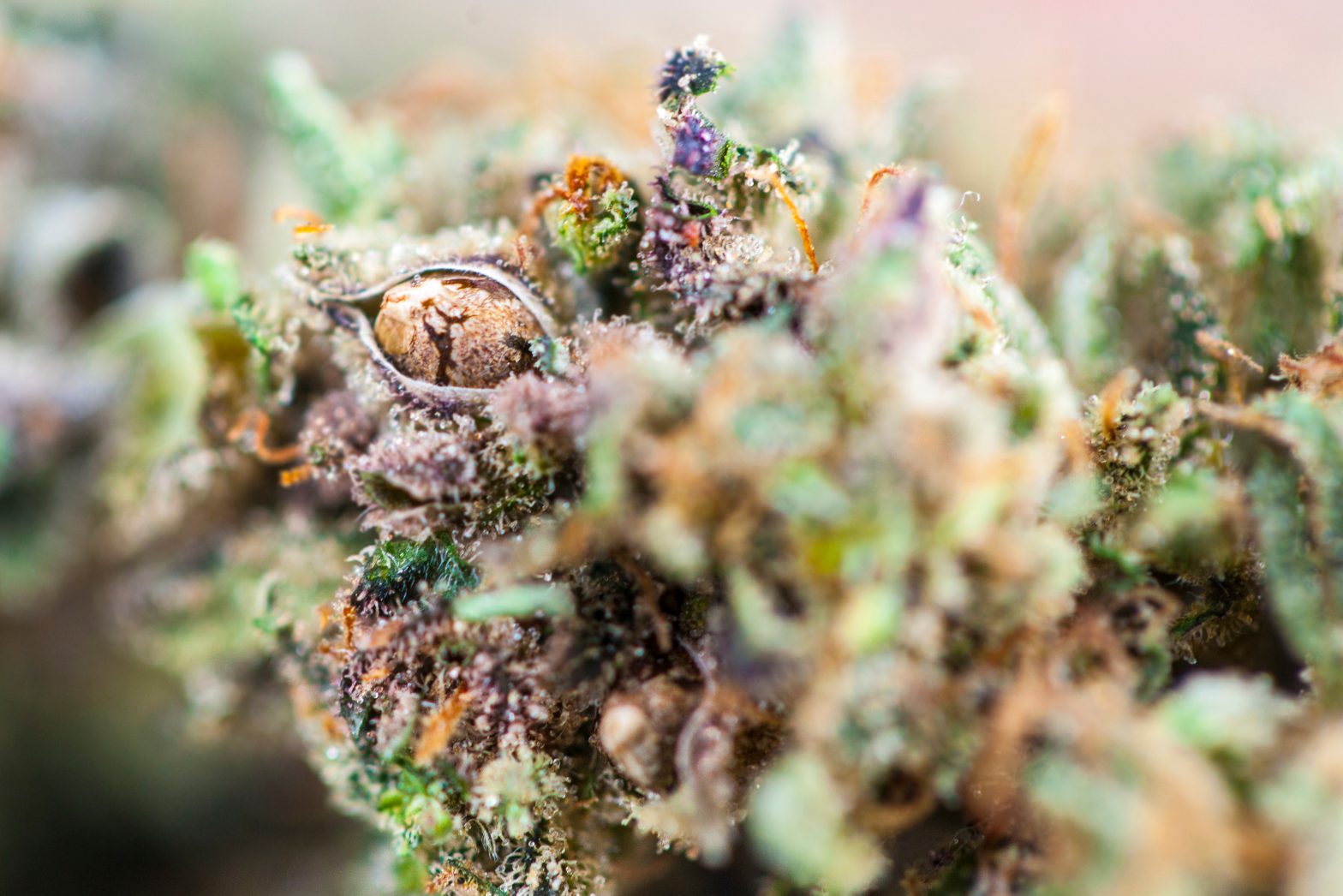
Have you ever noticed that marijuana buds have tiny glandular protrusions? Trichomes are sticky glands that add to the appeal of weed colours.
Watch for the following trichome colours during the late flowering stage to know when harvest time is coming.
For instance:
Trichomes have an aesthetic impact on nugs, sometimes giving them the appearance of glistening.
Genetics
The majority of cannabis strains are hybrids of various cultivars. The descendants’ marijuana colours vary depending on their ancestry. Landrace varieties are uncommon.
Some cultivars with anthocyanin-rich parents inherit the blue hue from their ancestors. Others contain too much chlorophyll to display secondary colours spontaneously.
Colourful marijuana phytochemicals
Some scientific theories explain the rainbow of cannabis colours. Phytochemicals and biological substances are the cause of the various shades of weed.
Let’s examine some of the most prevalent ones in cannabis plants in more detail.
The weed is green (Chlorophyll)
The majority (roughly 70%) of the pigment in plant tissues is chlorophyll. It is principally in charge of two things.
Chlorophyll gives marijuana its green colour and aids plants in absorbing enough light for photosynthesis. The latter function is crucial, which is why plants have such high pigment levels.
Yellow (Carotenoids)
Carotenoids have striking red, yellow, and orange tones. As the leaves on the trees fall in the autumn, many crops exhibit these hues.
What colour is weed when it contains this pigment?
Each strain has a unique chemical profile. The colour can change. Some have a yellow or slightly golden appearance. It is understandable why you can’t determine the precise result when considering the numerous environmental factors that impact crops.
When a strain contains a lot of carotenoids, cannabis colours appear on the hairs of the buds rather than the foliage of the plant.
The orange colour of cannabis (Carotenoids)
Carotenoids are present in orange-coloured cannabis. Based on the chemical elements present in the plant and the growing conditions, the pigment results in a variety of hues.
Orange-coloured weed is also discernible on the nugs, similar to yellow ones.
Pink and red (Carotenoids and Anthocyanins)
Incorrect pH levels can result in red cannabis for a grower, but certain pigments can also contribute to this. Pink or red buds may result from carotenoids in your plant’s genetics, but anthocyanins play a role in the hues of your cannabis.
Numerous flora contains hundreds of anthocyanin molecules. By intensifying the lighting in your grow space, you can make the colours in marijuana stand out more. However, the act stresses your plants, so be careful not to overdo it.
Blue and purple colour (Anthocyanins)
Often, crops with anthocyanins in their genetic makeup produce a blue-coloured weed. On occasion, the hues are more purple-like.
Growers subject the crops to lower nighttime temperatures, suppressing chlorophyll to achieve attractive hues. Then, the secondary shades emerge.
White and cream colours (Flavonoids)
Flavonoids dominate these crops. Similar to anthocyanins, they give weed a variety of colours, from white to cream. Some beautiful marijuana buds seem to have minimal pigment.
The shades can occasionally be light yellow. By absorbing UV rays that might harm the crop, flavonoids play a crucial part in maintaining the health of plants. Green hues can be seen with the colour.
Does marijuana colour affect how potent cannabis buds are?
There are some captivating shades of marijuana that make you wonder if they have more potent effects. The flavour, aroma, or potency of a marijuana nug are unaffected by the bud’s colour.
The myth gained popularity because of the way some pigments appear. The buds might have produced less THC if a grower exposed them to cold temperatures to bring out the secondary colours. This could reduce the amount of chlorophyll produced, which would reduce potency.
Although marijuana’s various colours may affect how enticing they are, the toke won’t be much different. The THC content and other strain-specific data are the best ways to gauge cannabis potency.
Vibrant cannabis
Firstly, cannabis is fascinating and comes in a wide variety of colours. The genetics determining which carotenoids, anthocyanins, or flavonoids are present in the plant almost always cause the various colours.
Another factor is experienced cultivators experimenting with temperature settings to bring out blue and purple hues.
Lastly, are you eager to learn what hues of marijuana your upcoming harvest will contain? Stop by our Mediseed Man seed shop today to begin your cultivation journey.