Many growers search for ways to make weed stem tea when they want to use leftover plant material instead of throwing it away. However, the topic often gets oversimplified. In practice, stems are not the richest part of the plant. Plain hot water does not carry cannabinoids well. Oral cannabis effects can be slower and less predictable than many people expect.
For Australian growers, the more useful question is not simply whether weed stem tea can be made. It is whether it is likely to be effective, worth the effort, and approached responsibly. This guide breaks that down in a practical, grower-focused way. It also helps to understand how post-harvest quality, aroma retention, and storage affect the quality of leftover material. That is why strong basics matter.
All of this matters long before anyone thinks about stems.
Step 1: Understand What Weed Stems Actually Contain
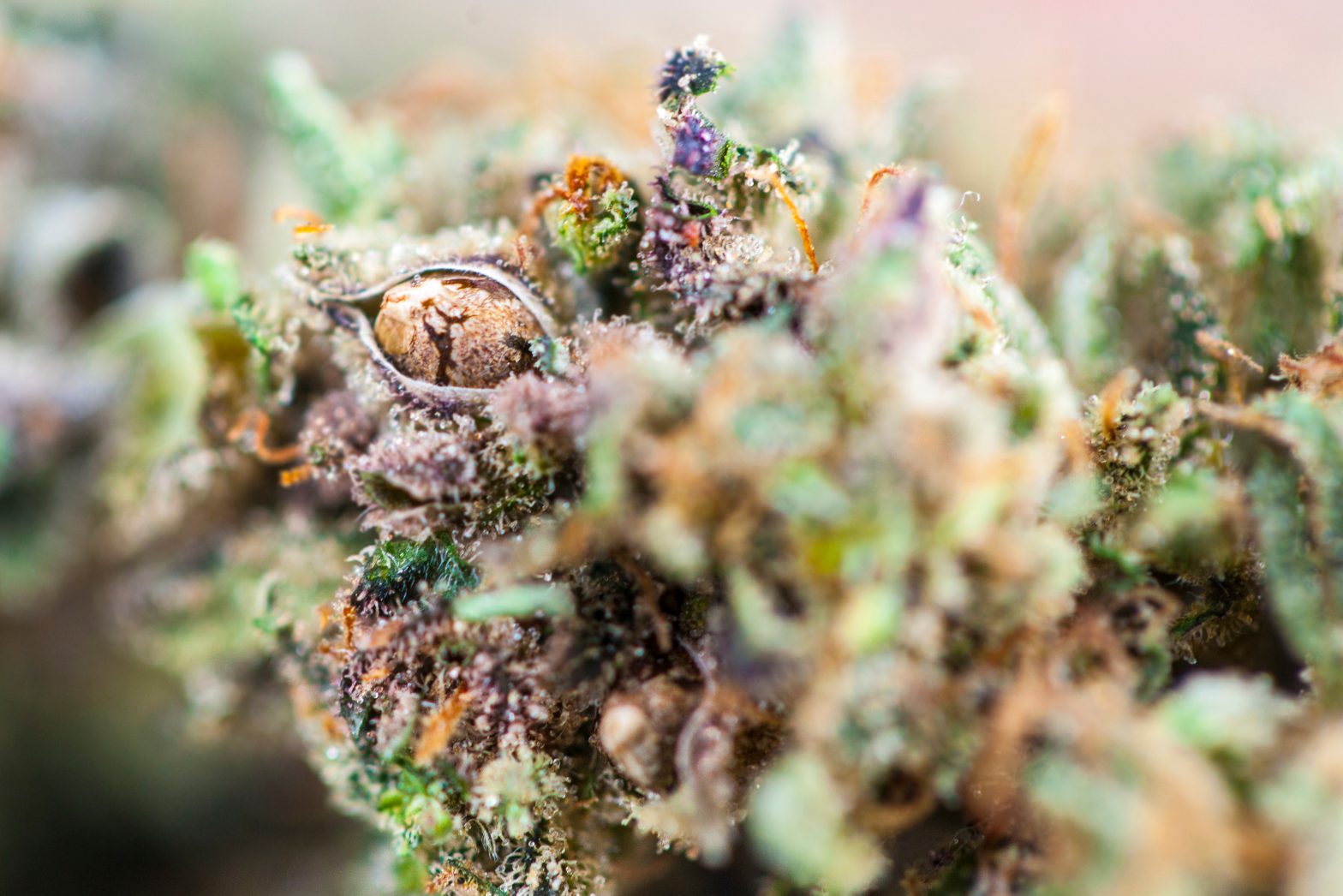
Before thinking about making weed stem tea, it helps to understand where cannabinoids are concentrated in the plant. The highest levels of cannabinoids and aromatic compounds are found in resin-rich flowers, not the woody inner stem. That is why stems are usually a lower-value leftover rather than a dependable source of potency.
This matters because many growers think any plant part with a strong smell has enough active compounds to work like a flower. In reality, that is often not the case.
Why growers overestimate stems
There are a few common reasons for this:
-
Stems can still carry a noticeable aroma, especially if they came from resinous buds.
-
Sticky trimming sessions can make stems seem stronger than they really are.
-
Online advice often treats all leftover plant material as if it has the same value.
From a practical cultivation point of view, stems are better seen as secondary leftovers. If a grower wants better overall quality, they should focus on genetics. They should also pay attention to harvest timing. They should focus on early flower development. Articles such as the seven weed plant stages explained and what you should know about cannabis pistils can help build that wider understanding.
Step 2: Know Why Plain Hot Water Usually Falls Short
One of the biggest issues with making weed stem tea is that many readers assume hot water does all the work. It does not. A hot, strong-smelling cup can still be weak, uneven, or disappointing. Plant aroma and cannabinoid delivery are not the same thing.
This is where practical expectations matter. A brew made from leftover stems may smell earthy and herbal, yet still fail to deliver the result some readers expect from cannabis flower.
Why expectations often miss the mark
A few factors contribute to this:
-
Stems generally contain less useful material than flowers.
-
Leftover stem quality depends on how the plant was grown, harvested, dried, and stored.
-
The higher the flower quality, the more likely you are to notice residual aroma on trim and stems.
That is also why post-harvest care matters so much. Growers who want to maintain plant quality should start by learning to enhance the weed’s flavour. They should also learn everything you need to know about freezing weed. Do this before assuming leftovers will stay good over time.
Step 3: Remember That Oral Cannabis Can Feel Different
Another point often missed in articles about making weed stem tea is this. Oral cannabis is discussed differently from inhaled cannabis. This is because the timing and intensity can feel less predictable. That is one reason responsible education matters more than hype.
Beginners, especially, may not realise that oral use can feel delayed, uneven, or harder to judge. For a general audience, it is better to explain that clearly rather than frame stem tea as a simple shortcut.
Why this matters for readers
A realistic article should make room for the fact that:
-
Effects may not feel immediate.
-
Flower-based experiences often shape expectations.
-
One person’s experience may differ from another’s
For a broader context, readers exploring edible-style cannabis topics may also look at how to eat edibles, their benefits and more or the perfect guide to THC microdosing. These topics reinforce the idea that oral cannabis discussions should stay measured and responsible.
Step 4: Be Honest About the Limits of Weed Stem Tea
A strong article on making weed stem tea should not pretend that stems are equivalent to flower. They are not. Stems can be a way to use leftovers, but they are not a reliable substitute for well-grown, well-cured buds.
That distinction helps build trust. It also matches what experienced growers already know. The quality of leftover material depends on the quality of the grow.
Signs that expectations are unrealistic
Readers are usually overestimating weed stem tea if they expect:
-
flower-like strength
-
consistent potency from one batch to the next
-
predictable outcomes every time
-
leftover stems to perform like premium buds
A better standard is to keep the conversation grounded. People who want to learn more about product quality may also like 12 ways to spot quality weed.
They may also like the effects of high-grade weed. Both help explain the gap between premium flower and lower-value leftover plant material.
Step 5: Focus on Safe Handling and Storage
Even when the topic is only making weed stem tea, safe handling still matters. Leftover stems should never be treated like ordinary pantry ingredients. Clear labelling, secure storage, and separation from normal food items are basic good practices.
This is particularly important in shared households, where loose plant material can be mistaken for harmless material.
Sensible storage habits for growers
Good handling usually includes:
-
keeping leftover plant material in sealed containers
-
labelling it clearly
-
storing it well away from children and pets
-
avoiding casual kitchen cross-over
Storage quality also affects freshness, aroma, and degradation over time. That makes how to store weed a key internal reference here. It helps readers preserve the remaining quality of post-harvest material.
Step 6: Keep the Topic Grounded in Australian Growing Conditions
For Australian readers, weed stem tea should be seen in the wider context. It depends on how cannabis is grown, dried, and handled in different climates. Conditions vary across tropical, subtropical, temperate, and inland regions. Those differences shape plant development, resin production, drying conditions, and overall post-harvest quality.
That is why stronger grower education always starts earlier in the cycle. A plant with stable, reliable genetics is more likely to produce better flower. With good care during flowering, it is also more likely to leave cleaner leftovers.
Growers who want better quality from the start should focus on key basics.
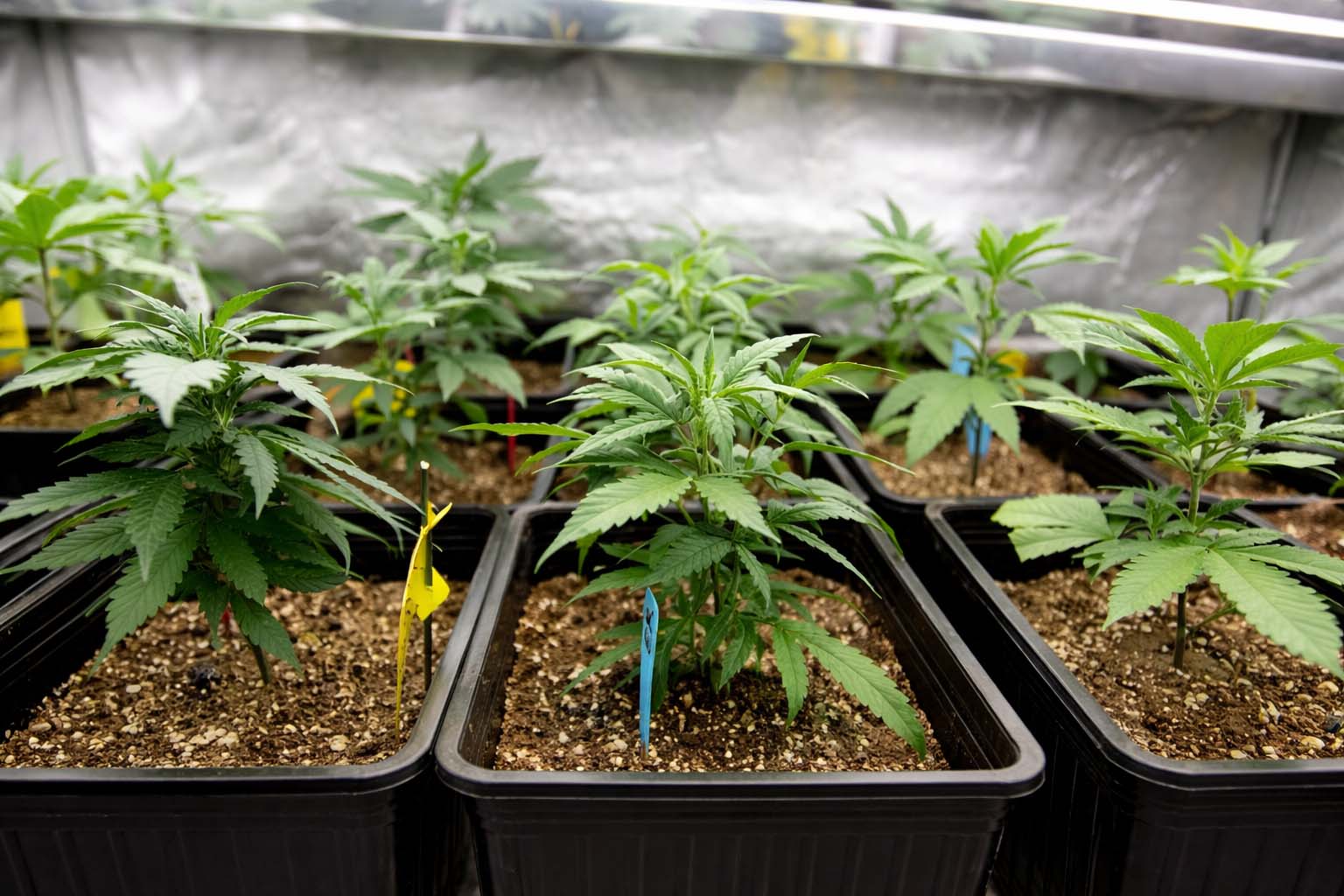
These include growing cannabis outdoors in Australia. They also include growing cannabis indoors in Australia. You can also use a cannabis grow calendar for Australia.
Choosing strong starting genetics with feminised cannabis seeds can help your plants grow more consistently.
Is Making Weed Stem Tea Worth It?
For most growers, weed stem tea is a low-value experiment. It is not a dependable way to use leftover cannabis material. Stems are usually not the richest part of the plant, and the outcome can be inconsistent. That does not make the topic useless, but it does mean readers deserve a balanced explanation rather than a flashy promise.
In many cases, this is the key point. If the original flower was grown well, dried well, and stored properly, the leftovers may still have some aroma and appeal. Even so, stems are still stems. They are not the same as quality bud.
A trustworthy article should help readers understand:
-
Why stems differ from flowers
-
Why expectations should stay realistic
-
Why oral cannabis topics need careful framing
-
Why storage and post-harvest handling matter
That kind of guidance supports topical authority far better than overblown claims.
Conclusion
Making weed stem tea draws attention because growers want to use every part of the plant. Still, a responsible answer has to be more than a quick recipe. Stems generally offer less value than flower, the outcome can be inconsistent, and expectations often run ahead of reality.
For Australian growers, the best plan is to stay informed, keep realistic expectations, and focus on quality. Do this from the start of the grow through harvest, curing, and storage. That mindset leads to better decisions across the whole cultivation process.
Readers who want to build their post-harvest knowledge can continue to drying and curing weed. They can also read about enhancing the flavour of weed and how to store weed.
FAQ
Does making weed stem tea usually produce strong effects?
Not usually. In many cases, stems are simply not the most valuable part of the plant. That means results can be weak, inconsistent, or underwhelming compared with the flower.
Why do so many articles oversell making weed stem tea?
Because it sounds resourceful and simple, however, practical grower experience shows that leftover stems are often treated as more useful than they really are.
Is weed stem tea the same as using flower?
No. Flower and stems are not equivalent in quality, resin content, or user expectations. That is why this topic should be explained honestly.
Does storage quality affect leftover stems?
Yes. Poor storage can reduce freshness, aroma, and overall quality over time. If you’re looking for better post-harvest handling, please see how to store weed.
What is the safest general advice around leftover cannabis material?
Store it clearly, securely, and separately from regular kitchen items. Good labelling and safe household handling are always sensible.