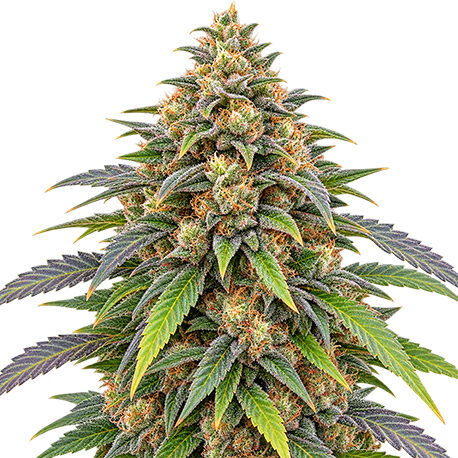
How much sunlight does a cannabis plant need? It is one of the most important questions for anyone growing outdoor cannabis in Australia. Sunlight affects plant structure, growth speed, overall vigour, and how well a plant performs from seedling through to harvest. When outdoor cannabis gets the right amount of direct sun, it usually grows stronger, healthier, and more productive.
In most cases, cannabis performs best with long hours of direct sunlight, stable warmth, and good airflow. However, the sunlight a cannabis plant needs can vary by strain, growth stage, and genetics. It also depends on whether you grow photoperiod or autoflower plants.
Why Sunlight Matters for Cannabis Plants
Cannabis uses sunlight for photosynthesis. This process helps the plant turn water, carbon dioxide, and light into energy. That energy supports root growth, leaf production, branch development, and flower formation.
When a cannabis plant gets enough quality light, it generally shows it through:
Outdoor sunlight also provides a full natural spectrum that is difficult to match perfectly indoors. This is one reason many growers prefer outdoor cultivation when climate and privacy allow it.
If you are still planning your setup, this pairs well with growing cannabis outdoors in Australia. It also helps you understand how seasonal conditions can affect plant performance.
How Much Sunlight Does a Cannabis Plant Need Each Day?
In general, a cannabis plant grows best with at least 6 hours of direct sunlight. For vigorous outdoor growth, aim for 10 to 12 hours of strong sun.
That does not mean every hour of daylight is equally useful. Morning and midday sun are often more productive than weak filtered light late in the day. A plant in bright shade most of the day may survive, but it often will not grow as well. A plant with long hours of clear, direct sun usually grows better.
For most outdoor growers, the practical answer is simple: give your cannabis plant the sunniest position available.
Ideal Daily Sunlight Range
A useful guide looks like this:
Minimum for reasonable growth: around 6 hours of direct sun
Better for healthy development: 8 to 10 hours
Ideal for strong outdoor performance: 10 to 12 hours of direct sunlight
In many Australian backyards, sunlight exposure changes across the seasons. Trees, fences, neighbouring buildings, and even shifting sun angles can reduce useful light more than expected.
How Much Sunlight Does a Cannabis Plant Need During Each Growth Stage
The answer to how much sunlight a cannabis plant needs also depends on what stage the plant is in. If you want a broader view of plant development from start to finish, it helps to understand the seven weed plant stages explained.
Seedling Stage
Seedlings need plenty of light but also protection from stress. Very young plants can struggle if they face intense, full-day sun too soon. This is worse in hot weather or after starting indoors.
At this stage, growers often aim for:
A healthy seedling should stay compact, upright, and evenly coloured. If it starts stretching, that is often a sign it needs more light.
If early growth looks weak or unstable, read about fixing cannabis seedling problems before it gets worse.
Vegetative Stage
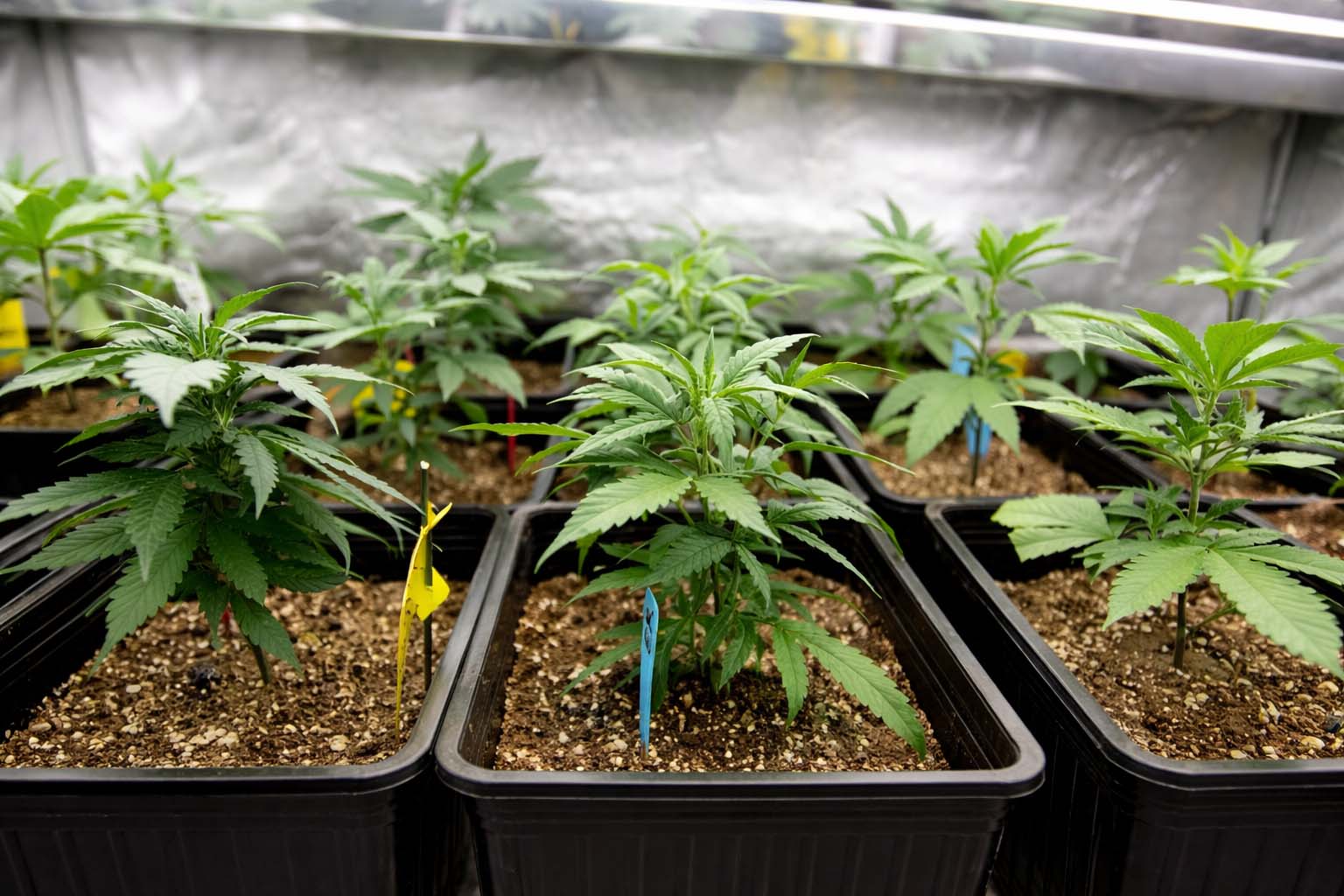
During the vegetative stage, cannabis uses light to build structure. This is when the plant focuses on roots, stems, branches, and leaf mass.
More light during veg generally supports:
Outdoor plants in the vegetative phase usually benefit from as much direct sun as possible. Strong plant growth depends on healthy roots. Learn more in the complete guide on cannabis roots.
Flowering Stage
Once flowering begins, light remains critical. Healthy exposure helps the plant maintain energy production while forming buds.
For outdoor photoperiod plants, flowering is triggered naturally as days shorten and nights become longer. That means the plant still wants strong daytime sun, but it also relies on uninterrupted darkness at night to flower properly.
This is where site choice matters. Outdoor plants placed near security lights, floodlights, or other artificial night lighting can become stressed or confused during flowering. If plants stay in vegetative growth longer than expected, review why your cannabis is not flowering.
Photoperiod vs Autoflower: Different Light Responses
Not every cannabis plant responds to sunlight in the same way — genetics matter.
Photoperiod Cannabis Plants
Photoperiod strains respond to seasonal changes in light. They remain in vegetative growth during long days, then move into flowering as daylight hours decrease.
For outdoor growers, this means:
Long spring and summer days help plants grow larger
Flowering begins naturally as the season shifts
Night-time darkness matters just as much as daytime light
Photoperiod plants generally reward growers who can provide them with a full outdoor season of maximum sun exposure.
Autoflower Cannabis Plants
Autoflower strains behave differently. They flower according to age rather than relying heavily on seasonal changes in light.
This gives growers more flexibility because autoflowers:
Do not depend on long dark periods to trigger flowering
Can suit shorter outdoor windows
Often perform well in a range of light schedules
May be easier to manage in some small-space grows
That said, autoflowers still benefit from strong sunlight. More quality light usually means stronger growth and better overall results, especially early in life when development moves quickly.
If you are choosing between plant types, compare autoflower seeds with feminised cannabis seeds before you start.
Can Cannabis Grow Without Direct Sunlight or Full Sun Exposure?
Yes, cannabis can grow without full direct sunlight, but it usually will not thrive in the same way.
A plant grown in partial shade may show:
Slower growth
Longer internodes
Stretching toward light
Smaller yields
Less dense flowers
Reflected light can help, and in some gardens, it may be enough to keep a plant alive and reasonably healthy. However, a heavily shaded position is rarely ideal if your goal is strong structure and good flower production.
If you have no choice but to work with partial sun, try to maximise the light you do have by:
Pruning back nearby obstructions where possible
Using light-coloured walls or surfaces to reflect brightness
Positioning containers in the brightest available location
Rotating potted plants if one side is heavily shaded
For growers working with balconies, courtyards, or tight suburban spaces, how to grow weed on a balcony may also be useful.
Signs Your Cannabis Plant Is Not Getting Enough Sunlight Each Day
When sunlight is limited, cannabis often gives clear signals. The earlier you notice them, the easier it is to correct the issue.
Common signs include:
Light issues can look like watering or nutrition problems. Check the whole environment before making big changes. For example, poor light can sometimes overlap with symptoms seen in over- and underwatered weed plants.
Can Cannabis Get Too Much Sun?
Sunlight itself is rarely the problem outdoors. More often, the issue is heat stress, dehydration, or a sudden change in conditions.
In Australia, intense summer conditions can place real pressure on cannabis plants, especially in containers or exposed gardens. A plant in strong sun during extreme heat may show:
In these cases, the solution is usually not to reduce healthy sunlight altogether. Instead, it is about managing the wider environment through:
Better watering practices
Mulch to retain soil moisture
Larger containers
Improved airflow
Temporary protection during severe heat events
If heat is a common problem, read more about cannabis plant heat stress prevention. You can also learn how to protect your outdoor grow.
Sunlight, Heat, and Airflow Work Together
A sunny position is important, but light does not work in isolation. Cannabis also depends on temperature balance, root health, moisture control, and airflow.
A plant in full sun with poor airflow can become stressed. A plant in full sun with constantly waterlogged soil can struggle as well. The best outdoor results usually come from combining strong light with stable growing conditions.
That includes:
Free-draining soil or quality potting mix
Regular but not excessive watering
Good air movement around the plant
Enough root space
Protection from prolonged environmental stress
Water quality can affect performance, especially during hot spells. Review the ideal water for marijuana plants along with basic grow conditions.
This is also why choosing reliable genetics matters. Strong starting stock can make a real difference when outdoor conditions become less predictable. At Mediseed Man, grower education starts with the basics. It covers good seed selection, practical setup choices, and realistic expectations for Australian conditions.
Best Position for Outdoor Cannabis in Australia
For most growers, the best site is the area that gets the longest time of clear midday sunlight.
A good outdoor cannabis position usually offers:
Northern exposure, where possible
Long hours of direct light
Shelter from harsh wind
Good drainage
Enough privacy and space for airflow
Before planting, spend a day observing how sunlight moves across the area. A position that looks bright in the morning may be shaded by early afternoon. Tracking real light exposure can save a lot of trouble later.
If you are still planning, it may help to read the cannabis grow calendar for Australia. This can help match your light conditions to the season.
Practical Tips to Improve Sunlight Exposure
If your garden is not perfect, there are still ways to improve results.
Use Moveable Containers
If you are growing in pots, you can shift plants into better light as the season changes.
Avoid Crowded Planting
Plants packed too closely together can shade one another and restrict airflow.
Remove Obstructions
Where practical and legal for your property, trimming back non-essential branches or relocating containers can improve light access.
Match the Strain to the Site
Some environments suit compact, fast-finishing plants better than large seasonal growers. Genetics should work with your available sun, not against it. Many growers in sunny climates start by exploring outdoor cannabis seeds. They may also try beginner cannabis seeds for an easier start.
Final Thoughts on How Much Sunlight a Cannabis Plant Needs
So, how much sunlight does a cannabis plant need? In most outdoor grows, aim for as much direct sunlight as your area can provide. A good target is 10 to 12 hours of sun each day. This helps produce strong results.
At a minimum, many plants need around 6 hours of direct sunlight to grow with reasonable health. However, more sunlight generally supports better structure, stronger development, and improved flowering under the right conditions. The exact result still depends on genetics, growth stage, temperature, watering, and the broader grow environment.
For Australian growers, success often depends on choosing the sunniest available spot. It also means understanding seasonal light patterns and using genetics that fit local conditions. When those basics are in place, outdoor cannabis usually has a much better chance of reaching its potential.
FAQ: How Much Sunlight Does a Cannabis Plant Need?
How many hours of sunlight does a cannabis plant need each day?
A cannabis plant generally grows best with 10 to 12 hours of direct outdoor sunlight each day. In some cases, about 6 hours of direct sun can support basic growth. However, plants usually do better with longer exposure to strong, steady sunlight.
That is why understanding how much sunlight a cannabis plant needs is so important before choosing where to plant outdoors.
Can cannabis grow in partial shade?
Yes, cannabis can grow in partial shade. But it often grows more slowly and may produce smaller, less dense flowers than plants in full sun.
Do autoflowers need as much sunlight as photoperiod plants?
Autoflowers still benefit from strong sunlight, but they are not as dependent on seasonal light changes to begin flowering. That makes them more flexible in some growing environments.
Is morning sun or afternoon sun better for cannabis?
Both can be useful, but a full day of strong direct light is the best outcome. Morning sun is often gentler, while midday and early afternoon sun can drive stronger growth if the heat is manageable.
Can a cannabis plant get too much sunlight?
In many cases, the bigger issue is heat stress rather than sunlight itself. If a plant is struggling in full sun, check its watering, root space, airflow, and overall temperature.
What happens if cannabis does not get enough sun?
Low light can lead to stretching, weak stems, slow growth, and reduced flower development. Plants in shade usually do not perform as well as those in a sunnier position.