Choosing the right cannabis grinder can make handling dried flower easier, cleaner, and more consistent. For many Australian growers and adult consumers, a good grinder becomes one of the most-used tools in the kit. It helps create an even texture, reduces waste, and makes prep simpler when the flower is dried and cured properly.
Not all grinders perform the same way. Material, tooth design, chamber layout, and build quality all affect how well a grinder works over time. A poorly made grinder can stick, shred unevenly, or waste valuable resin. By contrast, a well-designed grinder generally offers smoother use, better consistency, and easier cleaning.
This guide explains how to choose a cannabis grinder. It covers key features, basic care, and when to replace it.
Why a Good Cannabis Grinder Matters
A grinder does more than break flowers into smaller pieces. It also helps create a more uniform texture, which can improve handling and reduce unnecessary mess.
When the flower is too chunky, it can be harder to work with evenly. When it is over-processed, texture and handling quality can suffer. A grinder helps create a middle ground that is generally more practical for day-to-day use.
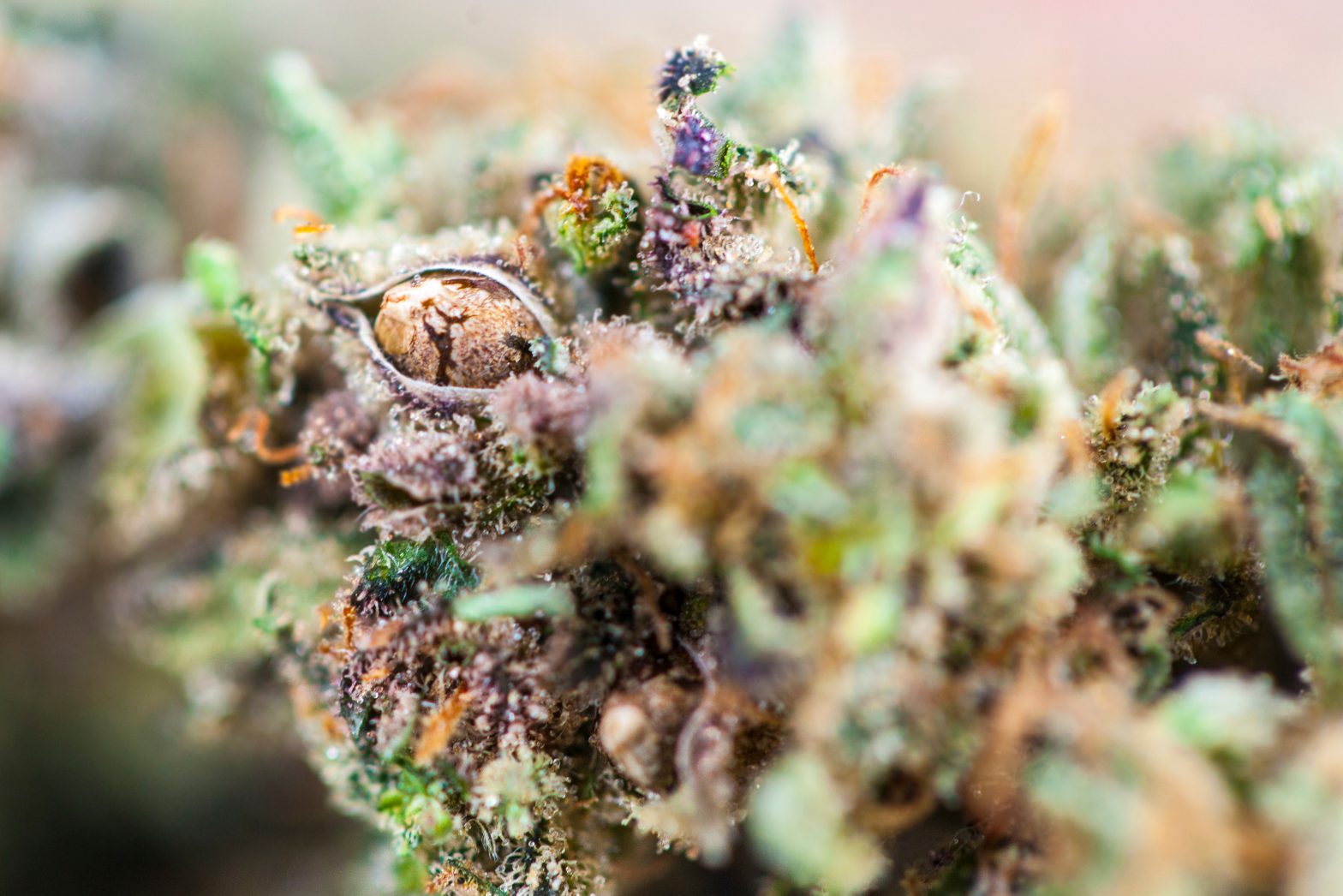
For growers, a grinder can also reveal a lot about post-harvest quality. If buds are still too wet, they may gum up the teeth and clump together. If they are too dry, they can break down too fast and lose structure. That is one reason proper drying and curing matter so much. If you are refining that part of the process, drying and curing weed properly is worth understanding in detail.
What to Look for in a Cannabis Grinder
Not every grinder suits every user. Some people want portability and simplicity, while others prefer larger, heavier models that feel more solid in the hand.
Material Quality
The material affects durability, weight, and overall performance.
Common grinder materials include:
-
Aluminium: Light, durable, and common in quality grinders.
-
Zinc alloy: Often cheaper, though quality can vary.
-
Stainless steel: Very strong and long-lasting, but usually heavier.
-
Acrylic or plastic: Budget-friendly, but generally less durable over time.
-
Wood: Attractive for some users, though often less precise than metal options.
In many cases, a well-made aluminium grinder offers the best balance of price, performance, and longevity. It is usually lighter than stainless steel and more durable than plastic.
Tooth Design
Tooth shape plays a major role in how evenly the grinder processes flowers. Sharp, well-spaced teeth tend to cut more cleanly and reduce drag. Poorly shaped teeth can crush rather than cut, especially when the flower has a sticky finish.
Diamond-shaped teeth are common because they often create a reliable, even result. However, tooth arrangement matters just as much as shape. Even spacing and a stable lid often make a noticeable difference during use.
Size and Capacity
Grinder size affects both portability and convenience.
A smaller grinder can suit users who want something compact and easy to carry. A larger model may be better for home use, especially when handling more flowers at once.
As a general guide:
-
Small grinders: Easy to store and carry.
-
Medium grinders: A practical all-round option for most people.
-
Large grinders: Better for larger quantities and less frequent refilling.
If convenience matters most, a medium grinder is often the safest choice.
Two-Piece, Three-Piece, or Four-Piece Design
Grinders come in different formats, and each has its strengths.
Two-Piece Grinders
These are the simplest options. They consist of a top and bottom section and are straightforward to use. They are often compact and easy to clean, though they offer fewer storage and collection features.
Three-Piece Grinders
A three-piece grinder usually adds a chamber beneath the grinding section. This creates a bit more convenience and helps separate processed flower from the top teeth area.
Four-Piece Grinders
A four-piece cannabis grinder often includes a screen and a lower chamber for finer particles. Many users like this design because it improves organisation and keeps different parts of the material more neatly separated.
For many growers and regular users, a four-piece grinder offers the best balance of functionality and control.
How Dryness Affects Grinder Performance
One of the most overlooked points in grinder performance is flower condition. Even the best cannabis grinder will struggle if the flower has not been dried and cured properly.
If the Flower Is Too Moist
Flowers that still hold too much internal moisture often feel sticky, dense, and difficult to process. It can smear across the teeth, clog the chamber, and result in an uneven surface.
This usually signals that post-harvest drying still needs work. Australian conditions can make this especially tricky because humidity and temperature vary widely across regions. Growers can benefit by managing harvest timing and seasonal changes. They can also review the cannabis grow calendar for Australia for a broader overview.
If the Flower Is Too Dry
An overly dry flower may crumble too easily. Instead of producing a fluffy, workable consistency, it can turn dusty or fall apart faster than expected.
This can happen after poor storage, overly aggressive drying, or long exposure to heat and air. To protect the quality after harvest, focus on how to store weed properly. This helps keep texture, aroma, and freshness over time.
Aim for a Stable Cure
In most cases, a grinder performs best when the flower has a stable cure, a dry outer feel, and a springy internal structure. That balance often produces a cleaner, more even grind and less material loss.
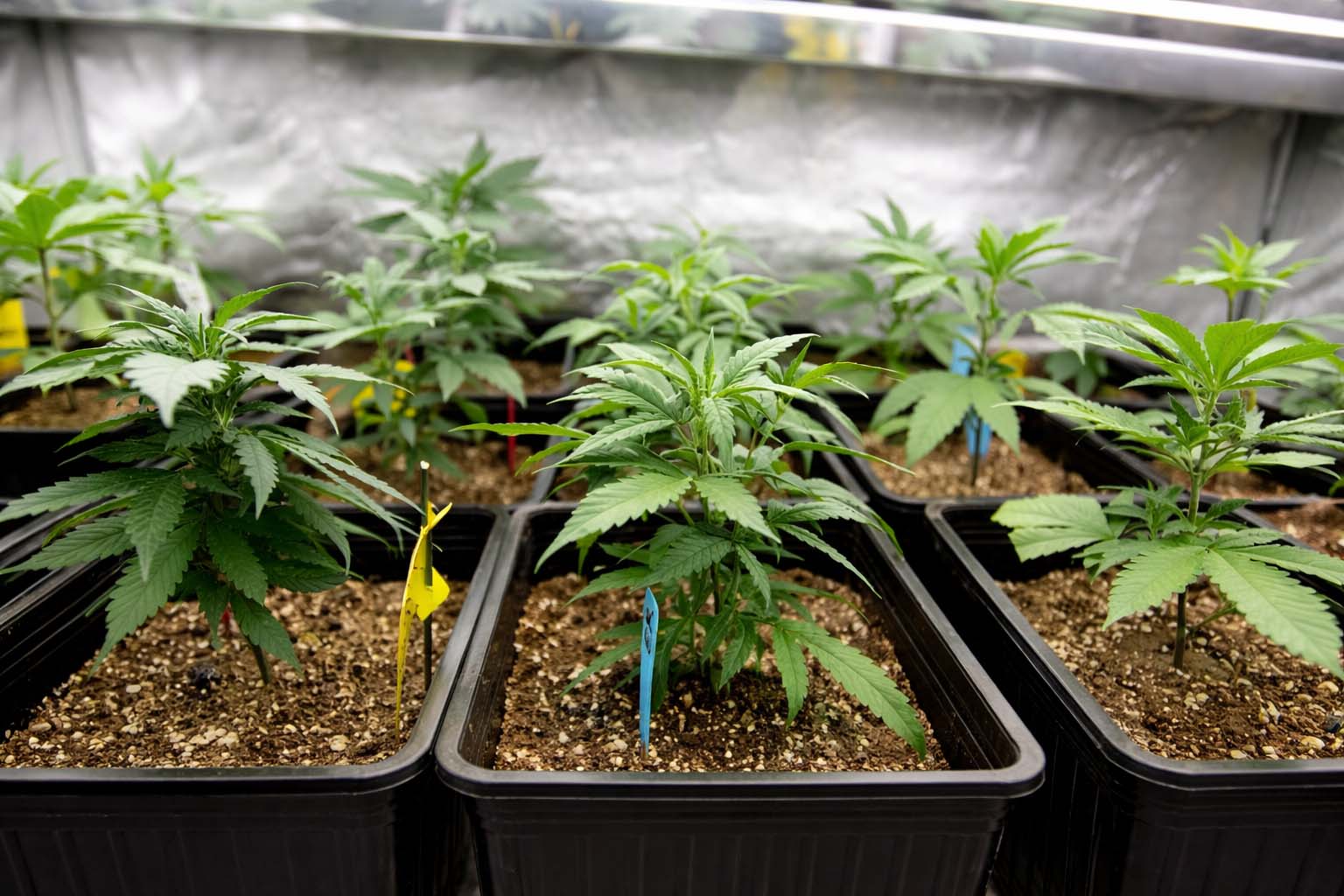
Flower quality starts much earlier than harvest. From genetics to finishing, every stage matters. That’s why it helps to understand the seven weed plant stages explained.
How to Use a Cannabis Grinder More Effectively
A grinder should feel smooth, predictable, and easy to control. Small habits can make a big difference in how well it performs.
Avoid Overpacking
Trying to force too much flower into the chamber often creates resistance and leads to an uneven result. It can also place unnecessary strain on the threads and teeth.
A better approach is to use smaller amounts and let the grinder do its job without pressure.
Break Larger Buds First
If a bud is very large or dense, break it into smaller pieces before use. This helps the grinder work more evenly. It reduces stress on the teeth and often gives a cleaner final texture.
Use Gentle, Controlled Turns
There is usually no need to force the grinder. Slow, steady turns tend to work better than sharp twisting. If the grinder feels stiff, the issue is often either overpacking, sticky flower, or residue build-up.
Common Cannabis Grinder Problems
Even a quality grinder can develop issues over time. The good news is that many common problems are easy to fix.
The Grinder Keeps Sticking
This usually happens because resin and fine plant matter have built up around the teeth or threads. Sticky flower can make this worse, especially in warm conditions.
Cleaning the grinder thoroughly often restores smooth movement.
The Grind Is Too Coarse or Uneven
An uneven result can come from several causes:
-
The flower is too moist
-
The chamber is overfilled
-
The teeth are worn down
-
The grinder is poorly made
-
The user is rushing the process
If the problem continues after cleaning, the grinder itself may be the issue.
The Threads Feel Rough
When threads start catching or grinding, residue is often the cause. In cheaper grinders, poor machining can also become obvious over time. If threading regularly snags or cross-locks, replacement may be the more practical option.
How to Clean a Cannabis Grinder
Cleaning is one of the most important parts of grinder maintenance. A neglected grinder can quickly lose performance, even if the original build quality is good.
How Often Should You Clean It?
That depends on how often the grinder is used and how resinous the flower is. In many cases, light cleaning every week or two helps prevent major build-up. A deeper clean can be done as needed.
Basic Cleaning Steps
-
Empty the grinder fully.
-
Brush out loose plant matter with a small soft brush.
-
Separate each section carefully.
-
Remove stubborn residue from the teeth and edges.
-
Let all parts dry completely before reassembly if any cleaning agent is used.
A small brush, cotton tip, or soft tool can help lift material from tight corners without damaging the surface.
When to Be More Careful
Not every grinder material responds the same way to deep cleaning. Plastic grinders, painted finishes, or lower-grade metal coatings may wear down faster if cleaned too aggressively.
That is another reason higher-quality materials generally hold up better over time.
What to Do If You Do Not Have a Grinder
A missing grinder has a habit of turning up right when you need it most. It is often hiding in a drawer, buried in a bag, or sitting somewhere obvious after you have already checked twice. Even so, this is usually the moment to stay practical rather than get too inventive.
From a quality perspective, it’s usually better to pause and get your setup sorted out properly. Improvising with random household items may seem smart at the time. However, it can create a mess. It can also lead to waste and avoidable handling issues. If you want to keep flower in good condition, a cleaner and more organised approach is usually best.
A few smarter options include:
-
Keep a backup grinder in your kit. It is a simple upgrade, but it can save a surprising amount of frustration.
-
Check whether your grinder is stuck rather than lost. In many cases, resin build-up is the real problem, and a proper cleaning gets it working again.
-
Store accessories together. A dedicated pouch, tray, or drawer makes the whole routine feel easier and more polished.
-
Avoid makeshift shortcuts. They often cause more trouble than they solve, especially when cleanliness and consistency matter.
-
Choose a grinder that suits the way you actually use it. A well-made grinder that matches your routine is usually worth it.
The takeaway is fairly straightforward. Good accessories are not just about convenience. They also help support cleaner handling, better consistency, and less waste over time. A quality grinder might be a small part of the setup, but it is one of those pieces of gear that quickly feels essential.
When to Replace a Cannabis Grinder
A grinder does not need to be replaced often if it is well-made and properly maintained. Still, some signs suggest it may be time for an upgrade.
You may want to replace your cannabis grinder when:
-
The teeth are noticeably worn
-
The lid no longer aligns properly
-
The threads keep jamming
-
The grind quality stays poor after cleaning
-
The body has cracked, bent, or loosened
For many users, replacing a low-quality grinder with a better model saves time and frustration in the long run.
Choosing a Grinder That Matches Your Routine
The best cannabis grinder is not always the biggest or most expensive one. It is the one that suits your routine, storage habits, and flower condition.
If you value portability, a compact two-piece or three-piece option may be enough. If you prefer more control and cleaner separation, a four-piece model often makes more sense.
Growers who care about flower quality also tend to pay closer attention to grinder performance. Good genetics, careful drying, and proper storage all influence how well a grinder works. That is why broader growing knowledge still matters.
It covers clones vs. seeds for growing the best cannabis and post-harvest handling to protect the final result.
Attention to aroma and finish can matter as well. If flavour matters to your setup, read about maximising terpenes. Read about enhancing the flavour of weed.
Cannabis Grinder Tips for Australian Conditions
Australian growing conditions can be demanding. Heat, dryness, humidity swings, and seasonal variation all affect how flowers cure and store after harvest.
A few practical habits can help:
-
Store flower in a cool, stable place
-
Avoid leaving grinders in hot cars or direct sunlight
-
Clean more often during warmer weather
-
Pay attention to the cure quality before storage
-
Choose durable materials that handle regular use well
Outdoor growers, in particular, know how much climate shapes the end result.
Articles like growing cannabis outdoors in Australia and how to protect your outdoor grow can help connect those environmental factors to the final flower quality.
Final Thoughts on Choosing and Maintaining a Cannabis Grinder
A reliable cannabis grinder is a simple accessory, but it supports clean handling, consistent results, and daily convenience. The best results usually come from using a well-made grinder. Use it with properly dried flower. Store everything properly. Clean it often.
For Australian growers, those details matter. Climate, harvest timing, curing conditions, and storage habits all influence how well a grinder performs. Choosing the right model and caring for it can preserve quality, cut waste, and make daily use easier.
FAQ: Cannabis Grinder Basics
What is the best material for a cannabis grinder?
In many cases, aluminium is a great all-round choice because it is durable, lightweight, and easy to find. Stainless steel can also perform very well, though it is often heavier and more expensive.
Why does my cannabis grinder keep getting stuck?
A cannabis grinder often sticks because resin and fine plant matter build up around the teeth, lid, or threads. Sticky flower and warm conditions can make this happen faster.
Is a four-piece cannabis grinder better than a two-piece model?
It depends on how you use it. A four-piece grinder has more features and separates material more neatly. A two-piece grinder is simpler and easier to carry.
Can flower be too wet for a cannabis grinder?
Yes. Flower that is too moist can clog the teeth and create an uneven result. In many cases, this points to drying or curing that is not yet stable.
How often should I clean a cannabis grinder?
That depends on use, but many people benefit from light regular cleaning every week or two. Heavy build-up is easier to prevent than remove.
Does grinder quality really make a difference?
Yes, it often does. Better grinders generally cut more evenly, resist wear better, and feel smoother to use over time. Cheap grinders can still work, but they are more likely to stick, wear down, or produce inconsistent results.