12 Cannabis Mutations: Types, Causes, and Grower Impact Explained
Cannabis mutations are rare genetic changes that affect plant structure, leaf shape, and bud development. While most mutations reduce yield or stability, some create unique traits like stealth growth, increased branching, or unusual bud formation. Understanding these mutations helps growers identify plant behaviour, avoid problems, and occasionally discover rare genetic advantages.
What Are Cannabis Mutations?
Cannabis mutations are natural alterations in a plant’s genes or chromosomes. These changes can influence growth, leaf shape, bud structure, or overall development.
These genetic variations are closely related to cannabis phenotypes and genotypes and how traits are expressed, and may appear during different cannabis plant growth stages from seedling to harvest.
What Causes Cannabis Mutations?
Cannabis mutations occur when errors happen during DNA replication or cell division. These changes may occur naturally or through breeding.
- Natural genetic variation
- Environmental stress
- Selective breeding
Some mutations are influenced by the differences between cannabis clones and seeds for growers, while others are triggered by environmental conditions such as how heat stress affects cannabis plants and bud development.
Types of Cannabis Mutations
Plant Structure Mutations
These mutations affect how the cannabis plant grows and branches, which can influence yield and plant shape.
1. Self-Topping Weed Plants
Self-topping cannabis plants appear to top themselves without training, often redistributing growth energy into side branches.
2. Twin Seedlings
Twin seedlings occur when two plants grow from a single seed. If unsure, refer to common cannabis seedling problems and how to fix them.
3. Creeper Marijuana
This mutation causes branches to droop and sometimes root into the ground, improving nutrient uptake. This behaviour can also relate to how cannabis root systems develop and function.
4. Vine-Like Cannabis Plants
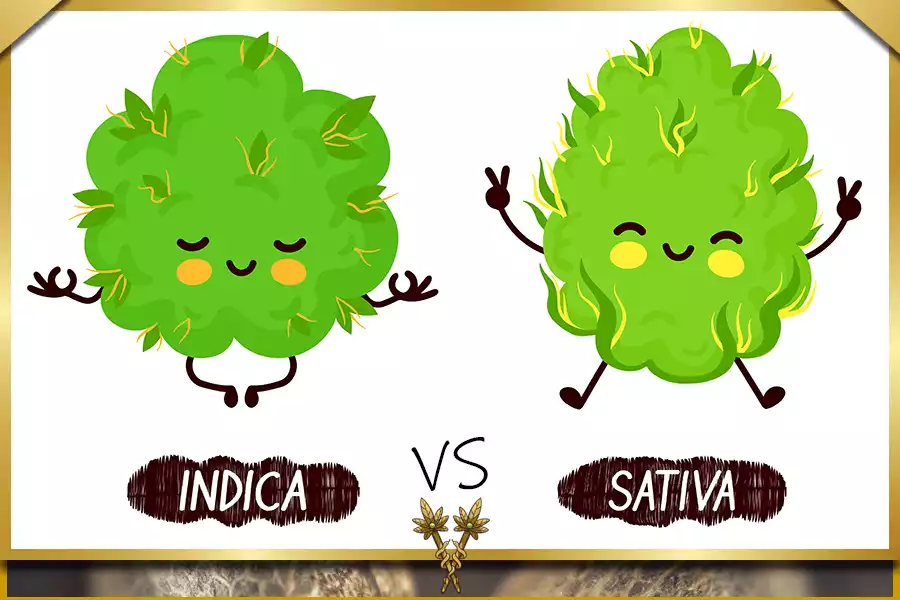
These rare plants grow in unusual climbing patterns and may be influenced by genetic traits seen in different cannabis strain types such as indica and sativa.
5. Whorled Phyllotaxy
This mutation produces three leaves per node instead of two, creating bushier growth and sometimes improving light exposure.
Bud Mutations
These mutations affect flower formation and are sometimes confused with environmental stress or nutrient issues.
6. Foxtail Buds
Foxtailing creates elongated bud structures. Learn more about foxtailing cannabis buds and what causes abnormal bud growth.
Foxtailing may also be caused by heat stress in cannabis plants and how to prevent it.
7. Leaf Buds
Small buds form on leaves instead of traditional flower sites, usually reducing efficiency and yield.
8. Polyploidism
This mutation increases chromosome count and may influence plant size and yield, although it remains unstable in cannabis breeding.
9. Stringy Weed Buds
Bud formation becomes stretched rather than dense, sometimes confused with problems like airy cannabis buds and how to fix them.
Leaf Mutations
Leaf mutations are visually noticeable and sometimes mistaken for plant health issues or deficiencies.
10. Duckfoot Weed
Leaves grow in a webbed pattern, helping disguise the plant in outdoor environments.
11. Australian Bastard Cannabis (ABC)
This mutation produces smooth, non-serrated leaves and shrub-like growth, unlike typical cannabis plants.
12. Albino Weed Plants
Albino plants lack chlorophyll, reducing their ability to photosynthesise and survive.
Are Cannabis Mutations Genetic or Environmental?
Cannabis mutations can be genetic or environmentally triggered. Genetic mutations are encoded in DNA and may be inherited, while environmental mutations result from stressors such as light intensity, nutrient levels, or watering issues.
This is often confused with problems like overwatered or underwatered cannabis plants and stress symptoms.
When Are Mutations a Problem?
Not all mutations are beneficial. Some reduce yield, slow growth, or increase the risk of plant issues.
Growers should monitor plant health closely and understand common issues like cannabis leaf yellowing causes and treatments.
Can Cannabis Mutations Increase Yield?
Some mutations may improve branching, but most do not reliably increase yield.
Growers should instead focus on optimising techniques such as cannabis feeding schedules and nutrient optimisation and training methods like SCROG for higher yields.
Final Thoughts on Cannabis Mutations
Cannabis mutations offer insight into plant genetics and development. While not always beneficial, they help growers better understand how cannabis responds to genetics and environmental conditions.
FAQs About Cannabis Mutations
What are cannabis mutations?
Cannabis mutations are genetic changes that affect plant growth, structure, and development, including leaves, buds, and branching patterns.
What causes cannabis mutations?
They are caused by DNA replication errors, environmental stress, or selective breeding practices.
Are cannabis mutations bad?
Not always. Some are harmful, some neutral, and a few create interesting traits.
Can mutations increase yield?
Rarely. Most mutations do not improve productivity.
What is whorled phyllotaxy?
A mutation where three leaves grow per node instead of two.
What are foxtail buds?
A mutation causing elongated bud structures rather than dense flowers.
Can albino cannabis survive?
Usually not, due to lack of chlorophyll needed for photosynthesis.
About the Author – Mediseed Man
Written by experienced cannabis growers and researchers specialising in plant genetics, cultivation techniques, and cannabis plant development.