If you want to understand cannabis phenotypes, genotypes, and chemotypes, it helps to think in practical terms for growing. Genetics sets the plant’s potential. The growth environment shapes how that potential appears. The finished flower shows a chemical profile. It may differ from another plant in the same seed line.
For Australian growers, cannabis phenotypes, genotypes, and chemotypes matter. Better results often come from matching strong genetics to the right conditions. Then watch how each plant performs throughout the run.
These three terms are often mixed up, especially by newer growers. However, they describe different parts of the same story. Once you know the difference, it is easier to choose seeds and assess variation. You can compare plants, pick keepers, and make smarter cloning choices. It also helps with consistency and choosing the right cultivar for your goals.
Why cannabis phenotypes, genotypes, and chemotypes matter
Growers often buy seeds expecting every plant in the pack to behave the same way. In reality, that is not usually how seed-grown cannabis works. Even within one named cultivar, plants can vary in structure, vigour, aroma, finish time, resin production, and flower quality. Some variation is normal. In many cases, that variation is exactly what allows growers to find a standout plant worth keeping.
Understanding cannabis phenotypes, genotypes, and chemotypes gives you a clearer way to judge what you see in the garden. It helps you avoid assumptions, manage expectations, and make more informed decisions about selection, cloning, and seed choice.
What is a cannabis genotype?
A cannabis genotype is the plant’s inherited genetic makeup. It is the full genetic blueprint carried in the seed or clone, and it sets the range of traits the plant may express. These traits can include plant size, branching style, flowering behaviour, terpene direction, cannabinoid potential, resin production, and overall vigour.
The key point is that genotype describes potential, not a guaranteed outcome. A plant may have genes for certain traits, but the environment and growing conditions can affect how much they show.
For growers, genotype matters most at the starting point. Good genetics do not guarantee a perfect grow, but they usually give you a better foundation. That is why seed quality matters. Experienced growers often choose genetics for climate fit, steady results, and proven performance, not just strain hype.
If you are choosing how to start, clones vs seeds: growing the best cannabis is a useful next read. Growers can also explore feminised cannabis seeds Australia and beginner cannabis seeds, depending on their goals and experience level.
What is a cannabis phenotype?
A cannabis phenotype is the set of traits a plant actually expresses while it grows. This includes clear, practical traits such as plant height, branching pattern, and internode spacing. It also includes leaf shape, flower structure, aroma strength, and resin production. Other traits include colour expression, flowering speed, and stress response.
In simple terms, the phenotype is what the plant becomes in real life.
This is where experience becomes important. A genotype can offer strong growth, heavy resin, or a sharp aroma. But the phenotype is what you see in your grow space. Light, temperature, humidity, feeding, watering, root health, training, and overall stability can all influence those traits.
That is why two growers can run seeds from the same cultivar and still end up with somewhat different results. It also explains why one grower may find a keeper phenotype indoors while another prefers a different expression outdoors.
For growers improving plant care, cannabis pruning: why, when and how, super cropping guide, and screen of green how to scrog can all influence how a phenotype presents during the grow.
What is a cannabis chemotype?
A cannabis chemotype refers to the plant’s chemical profile, especially its dominant cannabinoid pattern. While phenotype is about the plant’s observable traits more broadly, chemotype focuses on what the plant produces chemically.
In practical cannabis terms, growers usually think about three broad chemotype groups.
Cannabis phenotypes, genotypes and chemotypes in THC-dominant plants
These plants are mainly associated with higher THC expression and relatively low CBD.
Cannabis phenotypes, genotypes, and chemotypes in balanced plants
These plants express a more mixed cannabinoid ratio rather than strongly favouring one side.
Cannabis phenotypes, genotypes, and chemotypes in CBD-dominant plants
These plants are associated with higher CBD expression and comparatively low THC.
This distinction matters because two plants can look fairly similar yet differ in their chemical profiles. On the other hand, plants with noticeably different growth habits can sometimes sit in the same broad chemotype category. That is why appearance alone does not tell the full story.
For growers and seed buyers, chemotype matters when choosing genetics for a specific direction. It is one part of the bigger picture, alongside structure, flowering time, vigour, terpene profile, and environmental suitability. If you compare chemical categories, the differences become clearer through CBD cannabis seeds and high THC cannabis seeds.
Cannabis phenotypes, genotypes, and chemotypes compared.
These terms become much easier to use once you separate them clearly.
Genotype is the plant’s inherited genetic blueprint.
Phenotype is how those genes express themselves in the real world.
Chemotype is the plant’s chemical profile.
A simple example makes it easier. You germinate several seeds from the same cultivar. All of them come from the same line, but they grow in different ways. One stays short and bushy. One grows taller. One has a stronger aroma. One finishes a little earlier. Those are phenotype differences.
Underneath that, each seed-grown plant has its own specific genotype, even if the plants are closely related. Then, once the flowers mature, each plant may differ in cannabinoid balance and terpene expression, which relate to chemotype.
This is why growers who understand cannabis phenotypes, genotypes, and chemotypes tend to make better selection decisions. They are not just looking at a name on the packet. They are reading what each plant actually brings.
Why seeds from the same cultivar can still vary
This is one of the most common sources of confusion for growers. Many people assume seeds from one cultivar are effectively identical. In practice, seed-grown plants are more like siblings than clones. They usually share important family traits, but they still have room for individual variation.
That variation can show up in plant size, stretch, and flower density. It can also affect finish time, terpene intensity, and color expression. It may change resin production and stress tolerance.
The better the breeding work, the tighter the expected range often becomes. Even so, some variation is still normal. In many cases, that variation is useful rather than problematic. It gives growers the chance to find the expression that best suits their setup, climate, or preferences.
This is also why a clone behaves differently from a seed-grown plant. A clone is a genetic copy of one selected plant. A seed is not. If you want a broader background on plant type labels, cannabis indica sativa can also help.
How the environment influences cannabis phenotypes, genotypes, and chemotypes
The environment does not rewrite a plant’s genotype, but it can strongly influence how the phenotype develops. This is where practical grower knowledge matters most.
A plant can have strong genetics and still grow poorly if it is stressed. This can happen if it is overfed, under-watered, overheated, root-bound, or grown in unstable conditions. On the other hand, a plant with good but not great genetics can still produce strong results. It helps when you grow and finish it well.
Light and canopy management for cannabis phenotypes, genotypes, and chemotypes
Light intensity and canopy structure can shape how a plant stretches, branches, and stacks flowers. If the environment is uneven, phenotype comparisons become less reliable. This is one reason good growers try to keep conditions stable when assessing different plants in the same run.
If you are improving this area, you can evaluate plants more consistently.
Use the best PAR for cannabis as a guide.
Check how much sunlight a cannabis plant needs.
You can also review is there a perfect schedule for autoflower lights,.
Temperature and climate pressure in cannabis phenotypes, genotypes and chemotypes.
Australian growers know the environment is rarely neutral. Hot inland conditions, humid coastal weather, and cooler southern seasons can all affect how plants express themselves. Heat stress, for example, can reduce overall plant quality and distort how a phenotype presents.
That is why the cannabis grow calendar for Australia is relevant.
These topics help compare cultivar performance in Australian conditions.
Root health and feeding in cannabis phenotypes, genotypes, and chemotypes
A plant cannot express itself well if root health is poor or the feeding routine is inconsistent. This is where many growers accidentally blame genetics for what are really cultivation issues. Poor watering, nutrient imbalance, bad water quality, or root stress can hurt vigor, aroma, flower growth, and final quality.
What growers mean by pheno hunting
Pheno hunting means growing many seeds from the same line and choosing the best plant for a goal. That goal might be stronger growth, better structure, more resin, a cleaner finish, or a sharper aroma. It could also mean a plant that fits your room or climate better.
This is not just for large-scale growers. Even a small home garden can teach you a lot about variation if you pay attention.
A simple pheno hunt usually involves:
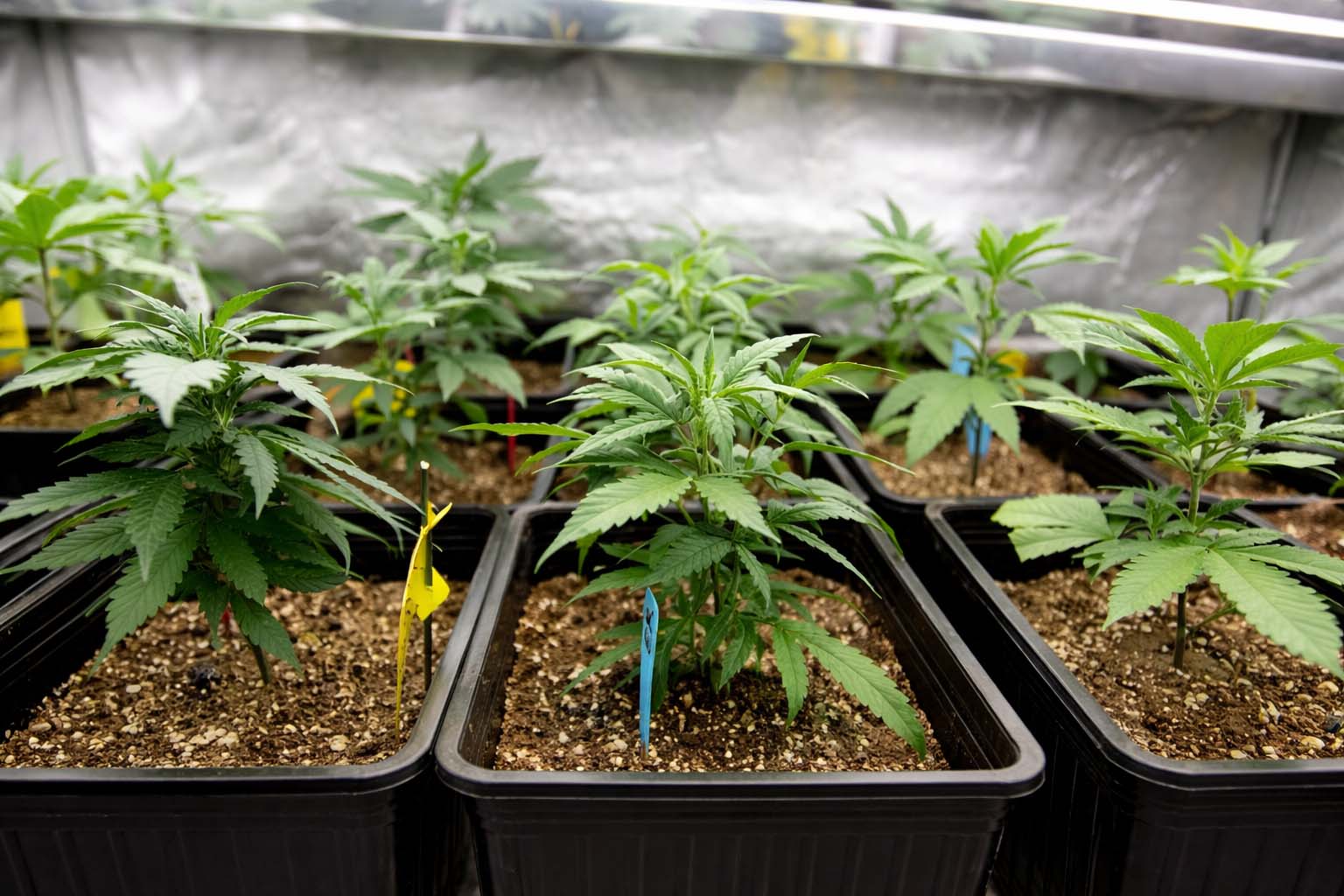
Running multiple seeds from the same cultivar
Keeping conditions as even as possible
Taking notes through veg and flower
Comparing structure, vigour, aroma, flower quality, and finish time
Keeping the standout plant as a clone if you want repeatability
The most useful mindset is to stay practical. Do not chase only the loudest-smelling plant or the prettiest colour. Look at the whole package. A plant that finishes cleanly, handles stress, performs well, and fits your area can be more valuable than a plant with one flashy trait.
Choosing seeds with genetics in mind
If you want better results, look beyond the strain name alone. Good seed selection is really about choosing genetics that suit your goals and conditions.
That can mean asking whether the cultivar is suitable for indoor or outdoor growing. Ask if the line is known for steady results or more variation. Ask if it fits your climate. Ask if it fits your skill level. Ask if you want a stable performer or something to search through.
For many growers, the best results come from matching genetics to the real grow environment. It helps more than chasing the most exotic description.
Helpful next reads here include indoor cannabis seeds, outdoor cannabis seeds, hybrid cannabis seeds, and new strains.
Common misunderstandings about cannabis phenotypes, genotypes and chemotypes
Seeds from the same cultivar are identical.
They usually are not. Seed-grown plants from the same line can share core traits while still showing clear differences.
Phenotype just means how the seedling looks.
Not quite. Phenotype includes many observable traits across the plant’s full life cycle, not just early appearance.
Chemotype and phenotype mean the same thing.
They do not. Phenotype covers expressed traits more broadly, while chemotype refers specifically to the chemical profile.
A famous cultivar name guarantees a certain result
It does not. Genetics matter, but so do seed quality, environment, grower technique, and plant selection.
Weak performance always means bad genetics.
Not necessarily. Sometimes the issue is heat, watering, feeding, root stress, or inconsistent conditions rather than the genetics themselves.
Practical troubleshooting for growers
If your plants look too different from one another
Start by checking whether the variation is genetic or environmental. Differences in light intensity, airflow, root volume, watering, and feeding can exaggerate normal phenotype differences.
If one phenotype seems much stronger than the others
That is not unusual. Keep notes on vigour, branching, finish time, aroma, and flower quality. Sometimes one plant clearly suits your environment better than its siblings.
If a cultivar underdelivers
Avoid jumping straight to the conclusion that the genetics are poor. First check heat, pH, watering, nutrient balance, and root health. In many cases, the plant may have been held back by the environment rather than lacking potential.
Relevant troubleshooting reads include;
If you want more consistency next run
Use stable genetics, control your environment, and keep proven plants as clones after you find a repeatable phenotype.
Conclusion
Understanding cannabis phenotypes, genotypes, and chemotypes helps growers see plants more clearly in the garden. Genotype is the inherited blueprint. Phenotype is the real-world expression of those genetics under your conditions. Chemotype is the plant’s chemical profile.
Once you understand cannabis phenotypes, genotypes, and chemotypes, you can choose seeds more wisely. You can focus your pheno hunting better. You can read plant variation with more confidence. For Australian growers, the best plan is often the most practical one. Start with strong genetics. Match the cultivar to your environment. Use steady growing methods. Watch plants closely. Select plants based on real results, not assumptions.
That kind of practical thinking supports better outcomes over time. It also helps build a more reliable growth from one run to the next.
FAQ about cannabis phenotypes, genotypes, and chemotypes
What is the difference between phenotype and genotype in cannabis?
The genotype is the plant’s inherited genetic makeup. The phenotype is how those genetics are expressed in the real world under your growing conditions.
What is a cannabis chemotype?
A cannabis chemotype is the plant’s chemical profile. It is often described by cannabinoid dominance, such as THC-dominant, balanced, or CBD-dominant.
Can two plants from the same cultivar have different phenotypes?
Yes. Seed-grown plants from the same cultivar can share key traits. But they can still differ in size and structure. They may also vary in aroma and finish time. Vigor and flower quality can differ too.
Are clones the same as phenotypes?
No. A clone is a genetic copy of one specific plant. A phenotype is the expression of traits in a plant. Growers often preserve a preferred phenotype by cloning it.
Why does this matter for growers?
It matters because it helps growers choose better seeds. It helps them spot key differences. It helps them make smarter decisions. It helps them get consistent results over time.
Can the environment affect phenotype expression?
Yes. Light, temperature, humidity, watering, feeding, root health, and stress can all influence how a plant’s traits show up during growth.