Cannabis edibles are a popular way to enjoy cannabis without smoking. Knowing how to eat edibles properly can greatly improve the experience. Unlike smoking or vaping, edibles take longer to kick in, often feel stronger, and can last much longer. That can make them appealing for some users, but it also means patience and careful dosing matter.
For Australian readers, edibles are often valued for their convenience, discretion, and longer-lasting effects. However, they are not something to rush. A good experience with edibles depends on picking the right product. Take a reasonable amount. Wait long enough before taking more. If you are new to controlled cannabis use, it may help to learn about THC microdosing. This approach uses smaller, more manageable amounts.
This guide explains cannabis edibles, how they work, how long they last, their potential benefits, and key mistakes to avoid.
What Are Cannabis Edibles?
Cannabis edibles are foods, drinks, or other products you can eat or drink that contain cannabinoids such as THC, CBD, or both. THC is the main intoxicating compound in cannabis. CBD is non-intoxicating and is often linked to a calmer overall effect. Some products may also contain minor cannabinoids such as CBG or CBN.
Edibles come in many forms. Some are homemade, while others are commercially prepared with more precise serving sizes. Common examples include:
Gummies and other lollies
Brownies, cookies, and baked treats
Chocolates and caramels
Cannabis drinks
Lozenges and mints
Capsules
Oils and tinctures
Savoury snacks
Many edibles are made by infusing cannabis into a fat-based ingredient. Common options include butter, coconut oil, and cooking oil. Because cannabinoids are fat-soluble, they bind well to these ingredients and can then be used in recipes.
For readers interested in homemade options, gummies are especially popular because they are easy to portion.
You can explore a weed gummies recipe for a hands-on approach.
Or, read about how to make CBD gummies if you want CBD-focused edible options.
How to Eat Edibles Safely
Learning how to eat edibles safely is more important than many beginners realise. The biggest mistake people make is assuming nothing is happening, then taking more too soon.
How to Start Low and Go Slow With Edibles
This is the golden rule with edibles. Start with a low amount, especially if you are new to cannabis or trying a new product. Even experienced users can find that edibles feel different from inhaled cannabis.
A smaller starting amount gives you room to assess how your body responds. That response can vary depending on the product, your tolerance, whether you have eaten recently, and your general metabolism.
How to Take Edibles Without Taking Too Much
Edibles usually do not hit straight away. In many cases, effects take anywhere from 30 minutes to 2 hours to begin, and sometimes even longer. Because of that delay, taking a second serving too early is one of the main reasons people end up feeling overwhelmed.
Patience matters. After your first dose, wait long enough to judge the full effect before considering more.
How to Read Edible Labels Carefully
Not all edibles are made equally. Some are low-dose and beginner-friendly, while others are much stronger. Check:
THC or CBD content per serving
Total cannabinoids in the package
Suggested serving size
Whether the product is divided into clear portions
Ingredient list, especially for dietary needs
Homemade edibles can be much harder to dose evenly, so they usually need extra caution.
How to Eat Edibles in the Right Setting
Edibles generally suit a calm, familiar environment better than a rushed or unpredictable one. If you are new to them, it is usually best to try them when you do not need to drive, work, or handle demanding tasks.
How to Store Edibles Safely
Because many edibles look like regular snacks or sweets, careful storage is essential. Keep them clearly labelled and out of reach of children, pets, and anyone who might mistake them for standard food. Good product storage habits matter across all cannabis forms, so it is also worth reading how to store weed.
How Do Cannabis Edibles Work?
Edibles work differently from smoked or vaped cannabis because they are processed through the digestive system. After you eat an edible, it passes through your stomach and is then broken down by the liver before you feel the full effects.
This is one reason the experience often feels different. The delayed onset can surprise people, and digestion usually makes the effects last longer than inhaled cannabis.
Cannabinoids used in edibles are commonly infused into fats such as butter or oil. Before that infusion, cannabis is typically heated in a process often called decarboxylation. This activates the cannabinoids so the body can absorb and use them more effectively.
In practical terms, this means edibles tend to feel slower, steadier, and longer lasting than smoking or vaping. That slower timeline is exactly why dose control matters so much.
How Long Do Edibles Take to Kick In?
One of the most common questions about edibles is how long they take to work. In general, most people notice effects within 30 minutes to 2 hours, although this can vary.
Several factors can influence onset time, including:
your metabolism
body size and tolerance
The strength of the edible
whether you have eaten recently
the type of edible you took
the balance of THC and CBD
For example, some lozenges or drinks may feel faster than a dense baked product. A brownie eaten after a large meal may feel slower than a low-dose gummy taken on an empty stomach.
The key point is simple: do not assume the edible is weak just because you do not feel it immediately.
How Long Do Cannabis Edibles Last?
Edible effects usually last much longer than smoked cannabis. While inhaled cannabis may peak relatively quickly and fade sooner, edibles can continue for several hours.
In many cases, people notice:
onset within 30 minutes to 2 hours
a peak after 2 to 4 hours
lingering effects that may last 4 to 8 hours or more, depending on the dose
That longer duration is one reason some users prefer edibles. It can be one reason some users dislike them. If they take too much, the effects may last longer than expected.
A longer-lasting experience is not automatically better. It depends on the person, the dose, and the outcome they are looking for.
Why Cannabis Edibles Can Feel Stronger
Edibles have a reputation for being potent. Part of that reputation comes from their slower build and longer duration. Another part comes from the fact that edibles can feel stronger or more immersive than smoked cannabis for some users.
This does not mean every edible is stronger than every smoke or vape session. It does mean that the experience can feel different enough that people sometimes misjudge their tolerance.
Even someone used to strong flowers can still be caught off guard by an edible if they do not dose carefully. If you want to better understand intensity and overall cannabis effects, high-grade weed effects may help provide context.
What Are the Benefits of Cannabis Edibles?
The benefits of edibles depend on the person, the product, and the reason for using them. Still, there are a few common reasons they remain popular.
Benefits of Edibles Without Smoking
One of the clearest advantages is that edibles do not involve smoking. For people who prefer not to inhale smoke or vapour, this can make edibles an appealing alternative.
Why Many Users Choose Edibles for Convenience
Edibles are easy to carry, easy to portion, and often much more discreet than smoking. There is no lighter, no rolling process, and no obvious cannabis smell during use. If discretion matters to you beyond the edible itself, guides on how to get rid of weed smell can also be useful.
Longer-Lasting Effects of Cannabis Edibles
Many people choose edibles because the effects often last longer. That longer window may suit those who do not want to keep re-dosing across the day or evening.
Wide Variety of Products
Edibles are available in many styles, flavours, and cannabinoid combinations. Some are THC-focused, some are CBD-focused, and others include a broader mix. Readers who want to learn about different cannabinoids may find it helpful to understand CBN. They may also want to know what cannabigerol (CBG) is.
Easier Portion Control in Some Products
Commercial gummies, capsules, and measured oils often make it easier to take a consistent amount. That can be especially useful for beginners compared with uneven homemade baked goods.
Different Types of Cannabis Edibles
There is no single best edible for everyone. The right option depends on taste preference, desired onset time, dose control, and convenience.
Gummies and Other Edibles
Gummies are among the most popular cannabis edibles because they are easy to portion, portable, and approachable for beginners.
Baked Cannabis Edibles
Brownies, cookies, and cakes are classic edible forms. However, homemade baked goods can be harder to dose evenly, which makes caution important.
Chocolates and Caramels
These are popular because strong flavours like chocolate can mask cannabis notes better than some other formats.
Cannabis Drinks
Cannabis beverages continue to grow in popularity. Depending on the product, they may offer a different onset feel and a more familiar social format.
Cannabis Oils and Tinctures
These can be used directly or added to food and drinks. They are often chosen by people who prefer flexible serving sizes. If CBD-focused products are part of the discussion, you may also want to explore how to make CBD oil at home.
Capsules, Mints, and Lozenges
These can be appealing for people who want something simple, measured, and easy to carry.
Do Edibles Taste Like Cannabis?
Sometimes they do, but not always. The taste depends on the ingredients, the infusion method, and how heavily the cannabis flavour is masked.
Baked goods made with cannabutter may retain a mild herbal or earthy note. Gummies and chocolates often hide that flavour more effectively. Some products are very subtle, while others have a more obvious cannabis aftertaste.
Taste alone is not a reliable way to judge potency. A sweet, pleasant edible can still be quite strong.
Are Cannabis Edibles Right for Everyone?
Edibles are not automatically the best choice for every cannabis user. Some people prefer the quicker onset and shorter duration of smoking or vaping. Others find edibles more convenient, discreet, or manageable.
Suitability often depends on:
your tolerance
The reason you are using cannabis
How comfortable are you with a delayed onset?
whether you prefer longer effects
how carefully the product is dosed
Beginners can use edibles safely, but they do best when they start with a small serving. They should resist the urge to take more too soon. For some readers, it may help to know when to step back from cannabis use. That is where what is a weed tolerance break can fit into the wider picture.
Common Mistakes When Eating Edibles
A better edible experience often comes down to avoiding a few simple errors.
Taking More Too Soon
This is by far the most common mistake. Delayed onset leads many people to think the edible is not working when it simply has not peaked yet.
Ignoring Serving Size
Not every gummy is one serving. Not every brownie should be eaten whole. Always check the intended dose.
Mixing Edibles With Alcohol
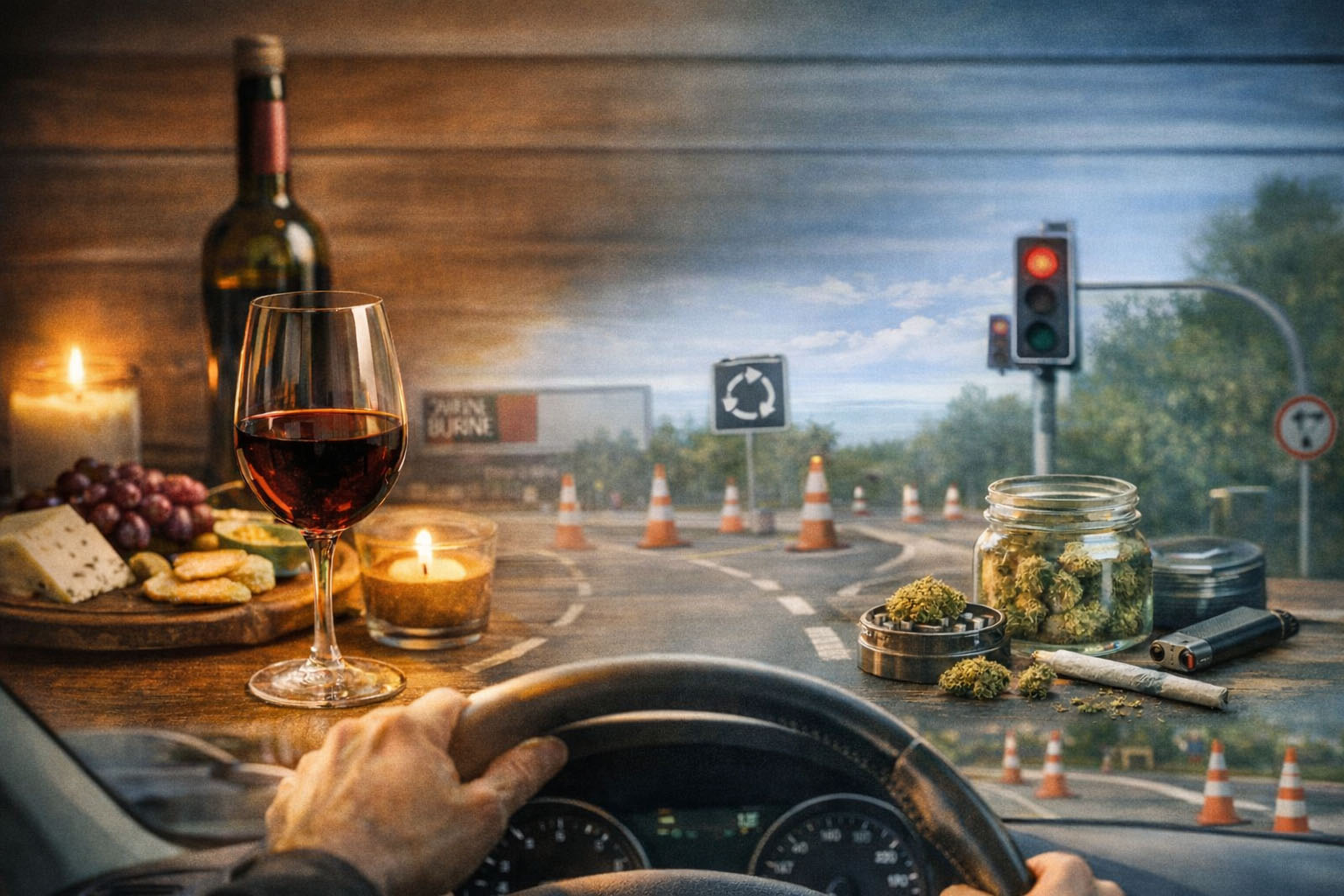
For some people, combining cannabis and alcohol can make the overall experience feel more unpredictable or more intense. Readers interested in cannabis and flavour pairing may enjoy wine and cannabis sensory analysis. Mixing substances still calls for caution.
Eating Unknown Homemade Products
Homemade edibles can vary widely in strength from one batch to another, or even from one piece to the next.
Poor Storage
Leaving edibles in ordinary packaging or shared snack areas can create obvious problems. Safe storage is essential.
What Happens If You Eat Too Many Edibles?
Eating too many edibles can be unpleasant. People may feel overly sedated, anxious, disoriented, nauseous, or simply far more intoxicated than they expected. While the experience is often temporary, it can feel intense and take a long time to wear off.
If someone feels they took too much, it helps to stay calm, stay in a safe place, avoid taking more, sip water, and give it time for the effects to wear off. Articles like “What is greening out and why does it happen” and “How to avoid a bad cannabis trip” may help.
They give more context about uncomfortable cannabis experiences.
Final Thoughts on How to Eat Edibles
Understanding how to eat edibles comes down to patience, sensible dosing, and realistic expectations. Edibles can be convenient, discreet, and longer lasting than smoked cannabis, but they also require more care. The slower onset is exactly what makes them easy to misjudge.
For most people, the safest approach is simple. Start with a small amount. Wait before taking more. Choose clearly labelled products. Store them safely. When used with care, edibles can offer a practical alternative to smoking and a very different cannabis experience overall. For a broader background, you may also enjoy 25 facts about cannabis or do Australians benefit from cannabis use.
FAQ: How to Eat Edibles
How long do edibles take to work?
In many cases, edibles take between 30 minutes and 2 hours to start working. Timing varies based on the product, dose, metabolism, and whether you have eaten recently.
How long do edibles last?
Edible effects often last several hours. Many people notice effects for 4 to 8 hours, although stronger doses may last longer.
Should beginners try edibles?
Beginners can try edibles, but it is best to start with a low dose and wait patiently before taking more.
Are gummies stronger than brownies?
Not necessarily. Strength depends on the cannabinoid content and serving size, not just the type of edible.
Can you eat edibles on an empty stomach?
You can, but the experience may feel different. Some people notice quicker or stronger effects on an empty stomach, so that extra caution may help.
Do edibles smell like weed?
Usually not as strongly as smoked cannabis, but some products may still have a mild cannabis aroma or taste.
Can edibles help with sleep or relaxation?
Some users choose edibles in the evening to relax. Effects vary by product, cannabinoid content, dose, and individual response.
How should edibles be stored?
Keep edibles sealed and clearly labelled. Store them safely away from children and pets. Keep them away from anyone who could mistake them for regular food.