Cannabis has a long, complex history spanning agriculture, culture, science, law, and cultivation. These interesting facts about cannabis help Australian readers understand the plant beyond headlines and hype.
For growers, clear cannabis facts can separate myth from practical knowledge. Hemp, THC, cannabinoids, and cultivation are often misunderstood.
Why interesting facts about cannabis still matter
Cannabis is often discussed in simple terms, yet the plant itself is anything but simple. People have used it as a fibre crop and studied its compounds. People have debated it in legal systems and grown it in many environments. That is why interesting facts about cannabis still matter today.
For growers, reliable information supports better decisions. Beginners also benefit from learning how cannabis plants grow. They can learn why genetics matters. They can also see how hemp, THC, cannabinoids, and potency connect. If you are still learning, it helps to understand the seven stages of a weed plant. It also helps to see how cannabis phenotypes and genotypes shape plant traits.
Facts about cannabis use and dependence
1. Not everyone who uses cannabis becomes dependent
One of the most misunderstood facts about cannabis is the idea that every user becomes dependent. In reality, dependence risk varies. Age, frequency of use, pattern of use, and personal health history can all influence that risk.
This remains one of the more important marijuana facts because it adds useful context to public health discussions. It also reminds readers that cannabis effects and outcomes are not identical for everyone. Readers exploring behaviour, tolerance, and routine may also find it useful to learn what a weed tolerance break is.
Interesting facts about cannabis history and hemp
2. Hemp was historically used to make canvas, rope, and textiles
Among the oldest facts about cannabis is hemp’s practical value as a fibre crop. Hemp has long been used for rope, coarse textiles, and canvas. That history shows cannabis is not only tied to THC or recreational discussions.
For Australian readers, this fact helps explain why hemp still matters in industrial and agricultural conversations. It remains one of the most versatile parts of the broader cannabis story. This is especially true when compared with the difference between hemp and marijuana.
3. Cannabis has influenced cultures around the world
Cannabis is one of the best-known psychoactive plants globally. Over time, it has shaped conversations in agriculture, law, medicine, and popular culture. These global cannabis facts matter because international trends often influence how the plant is discussed in Australia.
That broad cultural reach is one reason cannabis facts still attract casual readers and experienced growers.
4. People have used cannabis for thousands of years
Historical and archaeological findings suggest cannabis use goes back thousands of years. That makes it one of the oldest cultivated and discussed plants in human history.
Facts about cannabis from ancient contexts are useful because they show the plant is not a modern trend. Instead, it has remained relevant across very different societies and eras.
5. THC levels commonly separate hemp and marijuana
Many beginner-friendly facts about cannabis start with the distinction between hemp and marijuana. People often treat them as the same species, but the main legal difference usually comes down to THC concentration.
For readers trying to understand the difference, this is one of the most useful facts about cannabis. It also explains why hemp and marijuana are discussed differently in law, cultivation, and product regulation. For a deeper look, see the difference between hemp and marijuana.
Cannabis facts for growers and genetics
6. Cannabis has a strange place in internet folklore
Some surprising cannabis facts come from technology culture rather than agriculture. Stories tied to early internet systems have helped shape online cannabis folklore, even when details remain debated or exaggerated.
This is a good reminder that not all weed facts carry the same weight. Some are historically grounded, while others work better as pop-culture trivia.
7. Female cannabis plants are usually the main focus for growers
One of the most practical facts about cannabis for growers is the difference between male and female plants. Female cannabis plants produce the flowers most growers want. Growers often remove male plants to reduce the risk of pollination and seed formation.
For growers, this is not just trivia. It directly affects planning, crop quality, and genetics. That is why many growers start with feminised cannabis seeds Australia for a more predictable grow. Others compare clones vs seeds growing the best cannabis before deciding how to begin.
8. Cannabis contains more compounds than just THC and CBD
Many readers know THC and CBD, but those are only part of the picture. One of the more valuable facts about cannabis is that the plant contains many cannabinoids and other active compounds.
That matters because cannabis chemistry helps explain why different plants can produce different effects, aromas, and overall profiles. For growers, it also highlights the value of stable genetics and careful strain selection.
Readers wanting to explore beyond CBD may also find what cannabigerol CBG) is and what CBN’s effects, benefits, and more are.
9. The endocannabinoid system is part of why cannabis gets so much attention
Some of the more science-focused facts about cannabis involve the body’s endocannabinoid system. This system helps explain why cannabis compounds attract so much scientific and medical interest.
That does not mean every popular claim about cannabis is accurate. It does explain why researchers study cannabinoids so closely. It also explains why the topic continues to draw interest in research and public discussion.
Facts about cannabis culture and law
10. Cannabis has collected countless slang names over time
Language gives us some of the most recognisable facts about cannabis. Depending on the region, people may refer to cannabis as weed, pot, herb, grass, or ganja.
Those terms reflect the plant’s long cultural presence. They also show how deeply cannabis has entered everyday conversation in many parts of the world.
11. Global legal changes have shaped cannabis discussion
One widely repeated fact about cannabis policy is that countries have taken very different legal approaches. Some have moved towards broader legal access, while others continue to enforce strict restrictions.
For Australian readers, this is useful context. Overseas policy changes often influence local debate, even when Australian laws and enforcement settings remain different. For a local view, readers can explore Canberra, Australia’s cannabis laws and rules.
They can also read about THC driving laws in Australia, detectable vs impaired.
12. Cannabis has appeared in legal, social, and religious debates
Facts about cannabis go beyond botany and chemistry. The plant has also appeared in court cases, religious freedom arguments, and public policy debates.
That broader legal and social role helps explain why cannabis continues to attract strong opinions. It is not only a plant science topic. It is also a cultural and legal one.
13. Hemp has long been valued for its industrial strength and durability
Historical cannabis facts often return to hemp because of its usefulness. Hemp fibres have long offered strength, durability, and versatility across a range of applications.
That industrial history remains relevant today. It also shows that cannabis has long had a role outside smoking or cannabinoid-focused discussion.
14. Cannabinoids have been studied for symptom management
Health-related facts about cannabis need careful wording. A responsible way to explain this topic is to say researchers have studied cannabinoids for symptom management. This includes nausea and other treatment-related side effects.
That differs greatly from making broad cure claims. Trustworthy cannabis education depends on balanced wording, especially around medical topics.
Readers who want a more focused discussion can see whether marijuana can reduce nausea. They can also read about whether Australians benefit from cannabis use.
15. 420 remains one of the best-known symbols in cannabis culture
Some of the most familiar facts about cannabis are tied to 420 culture. Over time, 420 has become a widely recognised symbol in jokes, media, public references, and cannabis folklore.
For many readers, it is one of the first cultural associations that comes to mind when cannabis is mentioned. If you want the backstory, read what 420 means and what its origin is.
16. The “420 chemicals” claim is a myth
A common myth says cannabis contains exactly 420 active chemicals. That claim does not offer a reliable summary of cannabis science.
This is one of the more useful facts about cannabis because it helps separate folklore from reality. Cannabis chemistry is complex, but neat internet myths often oversimplify the science.
17. Cannabis references have spread well beyond cannabis spaces
Interesting cannabis facts are not limited to the plant itself. References to cannabis culture now appear in music, road signs, films, memes, and broader pop culture.
That visibility shows how cannabis has moved beyond niche communities and into mainstream public awareness.
Interesting facts about cannabis potency and plant types
18. Modern cannabis is often described as more potent than older cannabis
Potency is one of the most talked-about facts about cannabis today. Modern cannabis is often described as stronger than in past decades. Exact comparisons depend on the samples, growing methods, and measurement standards used.
For growers, this matters because genetics, environment, harvesting time, and post-harvest handling can all influence final potency. That is why many growers watch high THC cannabis seeds, the effects of high-grade weed, and post-harvest steps.
These steps include drying and curing weed, the complete guide.
19. Some cannabis stories from history should be treated cautiously
Not all marijuana facts are equally solid. Some historical stories, including claims linked to famous figures, remain speculative or incomplete.
Careful readers and growers should distinguish between well-supported information and cultural storytelling. That approach builds trust and keeps cannabis education grounded.
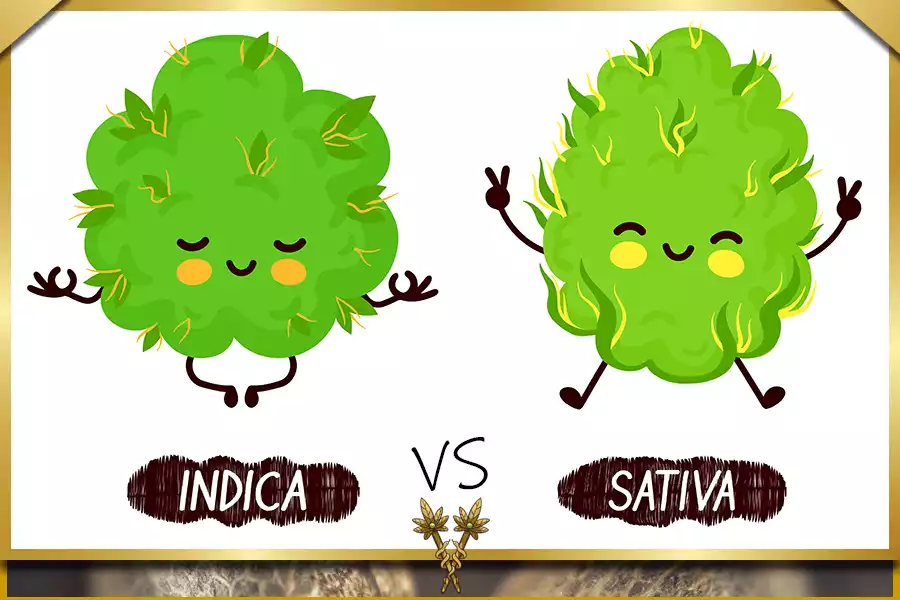
20. Cannabis is commonly described using indica, sativa, and ruderalis labels
Many facts about cannabis mention indica, sativa, and ruderalis as three familiar groupings. While modern genetics is often more mixed than those simple labels suggest, the terms remain common in everyday conversation.
They work as general language, but they do not always capture the full complexity of how a plant will grow or perform. To explore this further, readers can look at cannabis indica sativa and cannabis phenotypes and genotypes.
21. Not every cannabis fact is light-hearted
Some darker cannabis facts involve historical experiments, intelligence-era research, and controversial government programs. These topics often appear in cannabis history, but they should be discussed carefully.
When claims remain uncertain or heavily debated, it is better to present them with caution rather than certainty.
22. There is no single pill that perfectly reproduces the whole plant
Another practical fact about cannabis is that no single pill fully replicates the whole plant’s profile. Cannabis contains many compounds, and people often describe its overall effects as more complex than any one isolated component.
This complexity is one reason cannabis remains such a challenging subject in pharmacology and product development.
23. Hemp has uses beyond fibre and textiles
Cannabis facts are not only about flowers, resin, or THC. Hemp-based materials, including hemp seed products, have been studied for many farm and business uses. These uses depend on current regulations.
That wider usefulness is part of what makes hemp such a significant branch of the cannabis story.
24. Australia is part of the global hemp conversation
Global facts about cannabis also include industrial hemp production and licensed cultivation. Australia has taken part in that discussion through regulated hemp activity and ongoing interest in agricultural use.
For Australian readers, this local relevance makes hemp more than an overseas topic. It connects directly with farming, regulation, and plant-based industries at home.
25. Raw cannabis usually does not produce the same effect as heated cannabis
Raw cannabis usually does not produce the same intoxicating effect as heated cannabis. Heat changes certain compounds, including the conversion of THCA into THC.
This practical fact about cannabis highlights the importance of basic chemistry. It is especially helpful for growers who want to understand what affects final plant outcomes.
What these interesting facts about cannabis actually tell us
Taken together, these interesting facts about cannabis show just how broad the subject is. Cannabis is not only a grower, a chemical, or a cultural topic. It sits across all of those areas at once.
For Australian readers, learning the facts about cannabis can clarify the plant and its wider role. It also helps growers build a strong foundation in genetics, cultivation, hemp, cannabinoids, potency, and the plant’s history. Growers who want to keep learning can explore growing cannabis outdoors in Australia. They can also explore growing cannabis indoors in Australia. You can also use the cannabis grow calendar for Australia.
FAQ about interesting facts about cannabis
What are some interesting facts about cannabis?
Interesting facts about cannabis include its long history as a fibre crop. It has many cannabinoids. It also plays a role in global culture. It still matters in agriculture, law, and science.
Is hemp the same as marijuana?
Hemp and marijuana are often seen as the same plant species. The main difference is THC levels and legal classification. For a fuller breakdown, see the difference between hemp and marijuana.
How many cannabinoids are in cannabis?
Cannabis contains many cannabinoids. Exact numbers vary. This is because researchers define and study compounds in different ways. THC and CBD are only part of a much larger chemical profile.
Does raw cannabis get you high?
Raw cannabis usually does not cause the same high as heated cannabis. That is because heat has not yet changed key compounds in the same way.
Is cannabis stronger now than it used to be?
Modern cannabis is often described as more potent than cannabis from past decades. However, comparisons depend on genetics, growing conditions, handling, and how potency is measured.
Why are female cannabis plants more important to many growers?
Female plants produce the flowers most growers are aiming for. Growers usually separate or remove male plants to avoid pollination and seed production. People comparing starting options may also want to read clones vs seeds growing the best cannabis.
You may also want to read feminised cannabis seeds Australia.