The difference between hemp and marijuana in Australia matters to growers. It affects genetic choices, crop planning, production goals, and compliance. Although both come from the cannabis family, growers breed, cultivate, and regulate them for different outcomes.
In simple terms, hemp usually serves as a fibre, seed, and grain crop, and it also supports low-THC production. By contrast, growers raise the marijuana plant for resin-rich flowers and higher THC levels.
For growers, this goes beyond terminology. It shapes how a plant grows, which traits deserve attention, how the crop is managed, and what realistic results are. As a result, it helps growers in Australia to know the difference between hemp and marijuana. It also clears up a common cannabis myth.
The Difference Between Hemp and Marijuana in Australia
The difference between hemp and marijuana comes down to breeding purpose, cannabinoid profile, crop structure, and end use. Both are forms of cannabis, but growers do not usually raise them for the same result.
Hemp is generally selected for:
Marijuana is generally selected for:
Because of this, two cannabis plants can be from the same family but grow very differently.
Hemp and Marijuana Come from the Same Plant Family
A common misconception is that hemp and marijuana are completely separate plants. In reality, both sit within the cannabis family, which is why they share broad botanical characteristics.
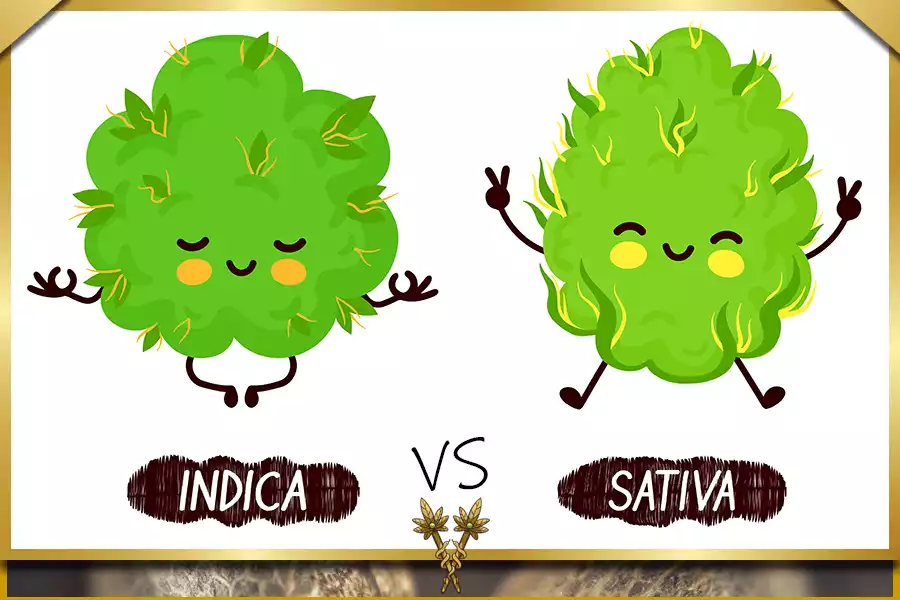
For a broader view of how cannabis types are often grouped, read about Indica vs. Sativa cannabis. This will help you better understand the categories.
However, shared plant ancestry does not mean growers should treat them the same way. Over time, breeders have selected different lines for different traits. Some lines suit fibre and grain production better, while others are bred for flower density, resin, and cannabinoid expression.
For growers, that breeding direction creates the real-world difference. Likewise, learning about cannabis phenotypes and genotypes can help you compare how different cannabis plants express traits in practice.
THC Is One of the Biggest Differences
For many growers, the difference between hemp and marijuana in Australia is clearer. It depends on THC levels. THC levels affect how the crop can be used. They also affect testing and compliance.
One of the clearest differences between hemp and marijuana is THC content. THC is the cannabinoid most strongly associated with psychoactive effects. Hemp is generally regarded as low-THC cannabis, whereas marijuana is usually linked to much higher THC potential.
This distinction matters because THC levels can influence:
Crop classification
Regulatory treatment
End market suitability
Testing requirements
Overall risk management
For growers, THC is not just a lab number. Instead, it can shape the entire crop pathway, from genetics and planning through to harvest expectations and compliance.
Why THC Matters in Practice
In many cases, a crop may look healthy and strong but still fail if its cannabinoid profile is wrong. That is why experienced growers pay attention to more than plant size or visual appeal. Strong genetics, stable performance, and a clear production goal matter far more than assumptions based only on appearance.
How Hemp and Marijuana Usually Look Different
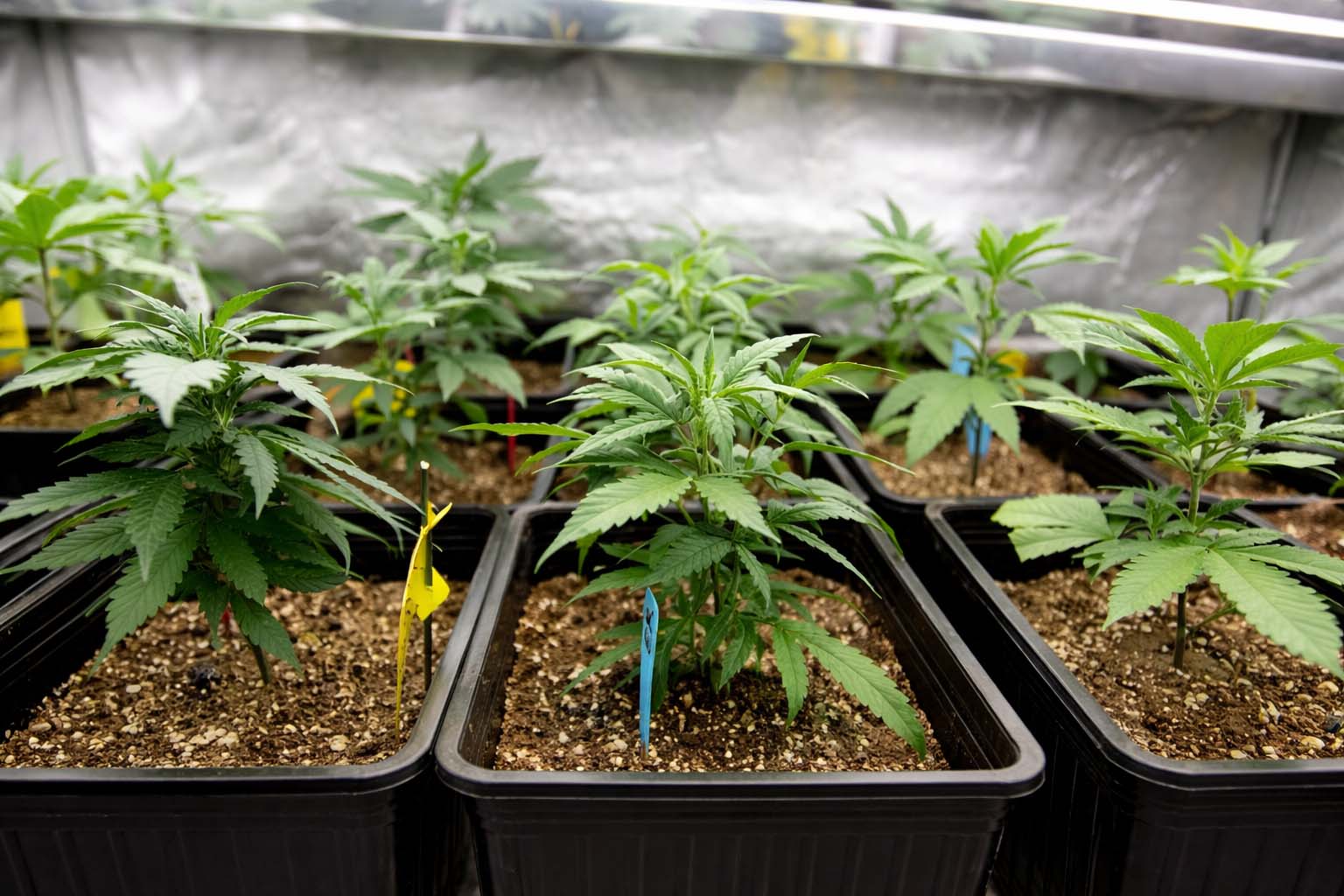
Plant structure often provides useful clues, although it is not a perfect test on its own. Hemp crops grown for fibre often grow taller, more upright, and less heavily branched, especially when planted closely. By contrast, growers often shape and manage marijuana plants to boost flower production. They encourage branching, stronger flower sites, and a fuller canopy.
In broad terms, hemp often shows:
Taller vertical growth
Narrower branching in dense plantings
More emphasis on stem, biomass, or grain
Less emphasis on heavy floral development
Marijuana more often shows:
Even so, growers should avoid relying solely on structure. Genetics, spacing, climate, nutrition, and crop purpose can all affect how a plant looks.
Hemp Is Usually Grown for Fibre, Seed, Grain, or Low-THC Production
Industrial hemp is valued for its versatility. Depending on the cultivar and production goal, growers may raise it for:
Fibre used in textiles and industrial materials.
Seed or grain for food products
Oil and protein ingredients
Biomass and other agricultural uses
As a result, hemp requires a very different management style from marijuana cultivation. A grower chasing grain or fibre usually focuses on crop uniformity, paddock performance, harvest timing, and compliance. Meanwhile, a grower aiming for premium flower production will prioritise very different characteristics.
Practical Grower Perspective
This is where the difference between hemp and marijuana becomes especially clear. The crop objective changes everything. It influences plant spacing, nutritional strategy, harvest timing, post-harvest priorities, and the traits worth selecting from the outset.
That is why good growers start by asking one simple question: what is this crop meant to produce? For many growers, that question starts even earlier. It begins with choosing clones or seeds for cannabis, because that choice can shape consistency, vigour, and crop planning from day one.
Growers Cultivate Marijuana for Flower Quality and Higher Cannabinoid Expression
Another key difference between hemp and marijuana in Australia is how growers plan for flowering. It also depends on the cultivar they choose. Local conditions matter too.
Growers usually breed marijuana for flower production, resin development, terpene profile, and stronger cannabinoid expression. Because of that, they manage the crop with very different priorities.
In many grow environments, this means more attention goes to:
Canopy structure
Light exposure
Flower development
Environmental control
Post-harvest quality
This is one of the biggest practical differences between hemp and marijuana. While both are cannabis plants, their production goals lead growers toward very different cultivation decisions.
Growers Often Misunderstand Flowering Behaviour
Many growers assume hemp is simply an autoflowering plant, but that is not correct. Hemp is generally understood as a photoperiod-sensitive cannabis type, although some lines may carry autoflowering or reduced photoperiod sensitivity.
For growers, this matters because flowering behaviour directly affects:
Planting windows
Regional suitability
Height before flower
Harvest timing
Crop consistency
Under Australian conditions, these factors matter even more. Day length, seasonal timing, and climate vary widely across the country. Therefore, a cultivar that performs predictably in one region may respond very differently in another.
That is why local growing conditions must always be part of the planning process. Growers comparing regional timing may find the Australian cannabis grow calendar helpful when planning around daylight and seasonal shifts.
Troubleshooting Flowering Expectations
If a cannabis crop is not flowering when expected, growers should not assume the issue is simple. In many cases, one or more of the following causes the problem:
The wrong cultivar for the region
Incorrect assumptions about photoperiod response
Environmental stress is slowing development.
Unclear production goals from the start
A better result usually begins with matching the genetics to the intended use and local conditions. If flowering timing becomes an issue, it can also help to review common reasons why cannabis is not flowering.
Hemp Seed Food Is Not the Same as Medicinal Cannabis
People often group hemp foods, industrial hemp, CBD products, and medicinal cannabis as if they are the same. In practice, they are not.
Low-THC hemp seed foods sit in a different category from medicinal cannabis products. Because of that, growers and consumers need to think clearly about which cannabis product is actually being discussed.
This distinction matters because vague language often creates avoidable confusion. From a grower education perspective, clarity is essential. Seed foods, fibre crops, extraction material, and medicinal cannabis products follow different pathways, so they are not interchangeable.
For readers who want a clearer view of CBD genetics, CBD cannabis seeds are not the same as industrial hemp.
Industrial hemp is mainly grown for fibre or grain.
Hemp Does Not Automatically Mean High CBD
Many growers assume hemp always means CBD-rich cannabis. However, that is not always true. Some hemp cultivars are grown mainly for fibre or seed, rather than for cannabinoid extraction. Others are chosen for compliant flower biomass or low-THC cannabinoid production.
For growers, this reinforces an important principle: always assess genetics based on the crop goal, not just the label. The word hemp does not tell you everything you need to know about cannabinoid performance, structure, or end use.
Nutritional Hemp Products Are Different from Flower Products
Hemp seed products are valued for their oil, protein, and fatty acids. This is one reason they are now more common in mainstream food markets. However, that does not make them equivalent to flower products or cannabinoid extracts.
For growers and readers alike, it helps to separate the categories clearly:
Seed food products
Fibre and industrial materials
Low-THC agricultural production
Cannabinoid-focused flower production
Medicinal cannabis products
Once you separate those categories properly, the difference between hemp and marijuana becomes much easier to understand.
The Legal Difference between Hemp and Marijuana in Australia
From a compliance view, the difference between hemp and marijuana in Australia goes beyond looks. It includes intended use, THC levels, and regulation.
It is important to use careful language here because regulations can change and may differ between states and territories. Broadly speaking, industrial hemp in Australia operates as a regulated farm crop under specific rules. By comparison, marijuana and medicinal cannabis follow much tighter controls.
For growers, the most responsible approach is simple: do not assume that all cannabis crops are treated the same. Intended use, crop type, THC profile, and location can all affect how a plant is regulated.
A Practical Australian Grower Mindset
When comparing hemp and marijuana under Australian conditions, it helps to ask:
What is this crop bred to produce?
What cannabinoid profile is expected?
How will it respond to my local environment?
Does the plant structure suit the intended end use?
What compliance issues need to be understood before growing?
These questions support better decisions and more realistic expectations. Growers planning a local setup can compare options.
They can review the conditions for growing cannabis outdoors in Australia.
They can also review the conditions for growing cannabis indoors in Australia. Ultimately, the best choice depends on the crop and the environment.
Hemp vs Marijuana for Growers: The Practical Takeaway
From a cultivation perspective, the difference between hemp and marijuana is not about internet myths or loose terminology. Rather, it is about crop intent, genetic direction, and management priorities.
Hemp is generally an agricultural cannabis crop selected for low-THC performance, fibre, seed, grain, or other compliant uses. Marijuana is generally selected for flowers, resin production, terpene profile, and higher THC expression. Consequently, that difference affects the entire growing strategy.
For Australian growers, success usually starts with:
That is where education matters. Better knowledge leads to stronger planning, more suitable cultivar selection, and fewer mistakes during the growing season.
Conclusion
The difference between hemp and marijuana in Australia is real, even though both come from the same cannabis family. Growers usually cultivate hemp for low-THC farm uses such as fibre, seed, grain, and compliant production systems. By contrast, they develop marijuana for flower quality, resin, terpene profile, and higher THC content.
For growers, the best way to understand this topic is to focus on purpose. Also focus on genetics, flowering behaviour, structure, and growing conditions. Once those fundamentals are clear, the difference between hemp and marijuana becomes much easier to understand in practical terms.
Strong growth starts with reliable genetics, better grower education, and a realistic view of plant performance. That knowledge helps growers make smarter choices under Australian conditions.
FAQ: The Difference between Hemp and Marijuana
What is the difference between hemp and marijuana in Australia?
Hemp and marijuana both belong to the cannabis family, but growers usually breed and cultivate them for different purposes. In most cases, hemp is used for fibre, seed, grain, and low-THC products, while marijuana is used for flowers and higher THC levels.
Can hemp get you high?
Industrial hemp is usually bred to have very low THC levels, so it does not cause the same high as marijuana.
Is hemp always autoflowering?
No. Hemp is generally understood as a photoperiod-sensitive cannabis type, although some lines may carry autoflowering traits. Autoflowering is a genetic trait, not a definition of hemp itself.
Does hemp always contain CBD?
Not necessarily. Some hemp cultivars are grown mainly for fibre or seed rather than cannabinoid extraction. The cultivar and production goal matter more than the label alone.
Is hemp the same as medicinal cannabis?
No. Industrial hemp, hemp foods, and medicinal cannabis products belong to different categories and are treated differently. They should not be treated as interchangeable terms.