

High CBD seeds have become a popular choice for growers who want cannabis plants with a cannabinoid profile that leans more towards CBD than THC. For Australian growers, high-CBD seeds can be appealing because they often suit people seeking balanced genetics, steady growth habits, and a plant profile that differs from high-THC varieties. Understanding how these seeds work, what to expect from the plants, and how to grow them well is the key to making informed decisions.



Showing all 5 results
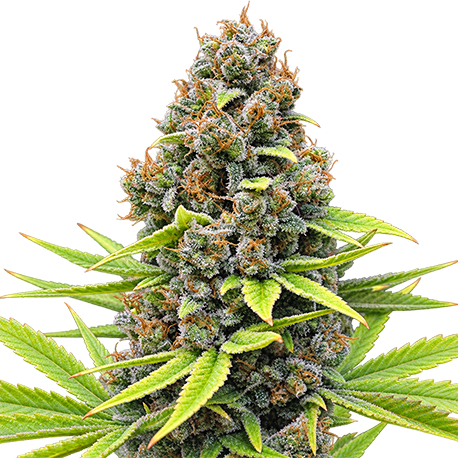


80% Indica | 20% Sativa
7–9 weeks from 12/12
Below 1%
Up to 16%
Purple Thai x Afghani x Thai
from $11.00per seed View Product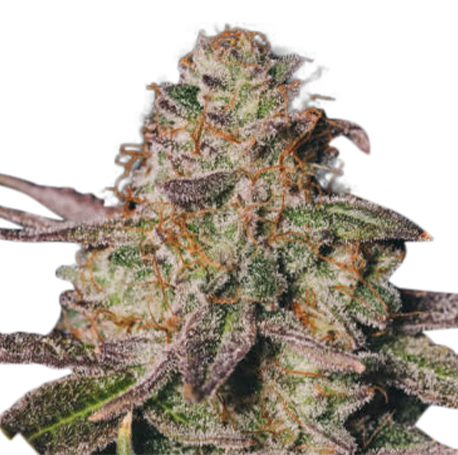
50% Indica | 50% Sativa
10-11 Weeks
Up to 10% 1:1
Up to 10% 1:1
MK Ultra x G13 Haze
from $11.00per seed View Product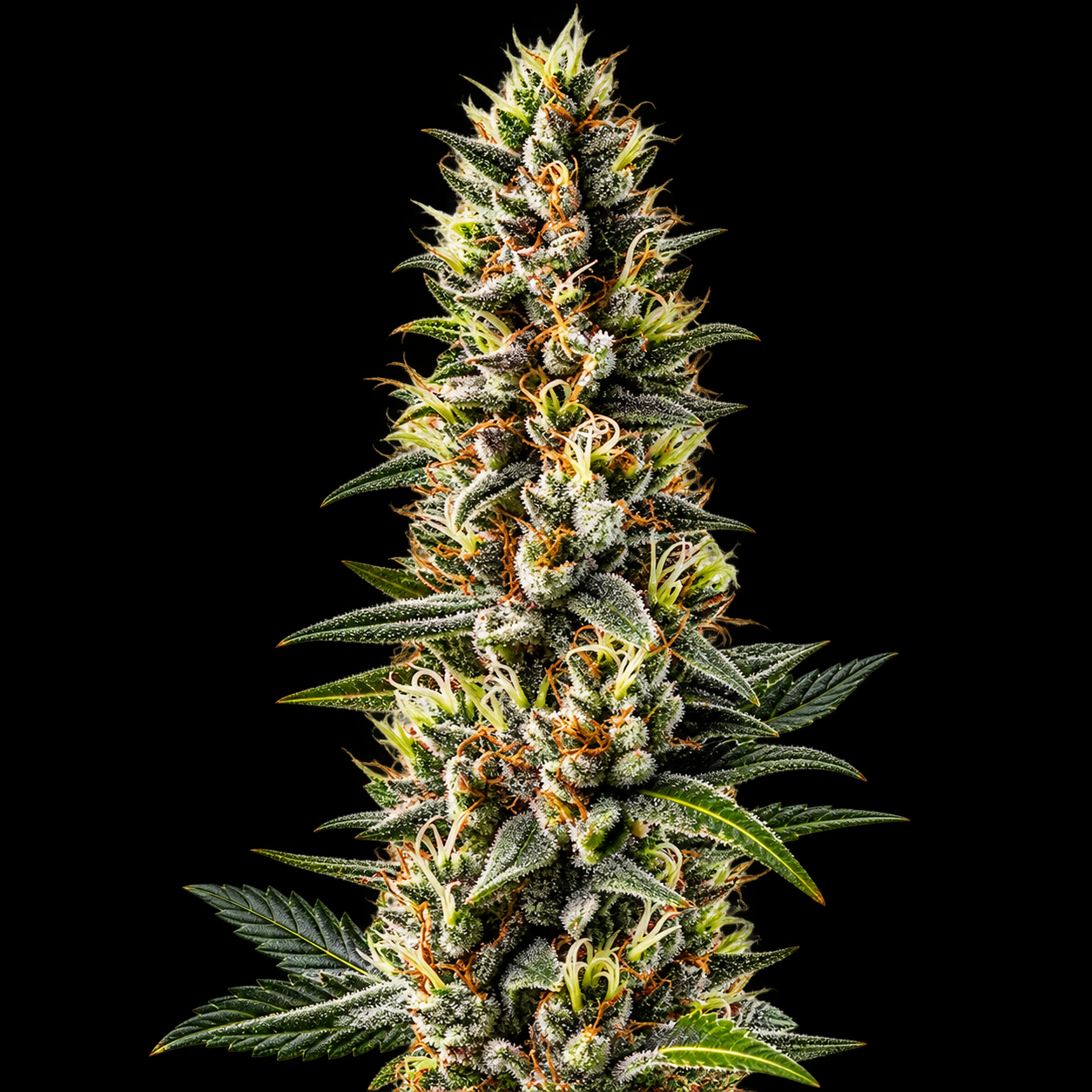

Undisclosed% Indica | Undisclosed% Sativa
8-10 Weeks
Below 1%
18–20%
2 High CBD Undisclosed Varieties
from $11.00per seed View Product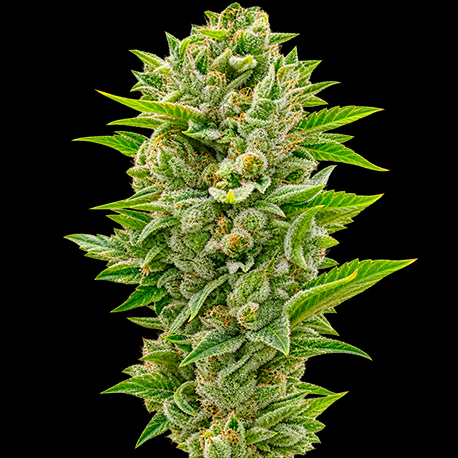
Indica - Undisclosed %
10 – 12 weeks
Below 1%
24–30%
Undisclosed High-CBD Asian Cultivars
from $11.00per seed View Product
50% Sativa | 50% Indica
9-10 Weeks
6%
10%
Brazilian x South Indian
from $11.00per seed View ProductHigh CBD seeds are cannabis seeds bred to produce plants with elevated cannabidiol, commonly known as CBD. CBD is one of the major cannabinoids found in cannabis. Unlike THC, it is not generally associated with the same intoxicating effects. That difference is one reason high-CBD seeds attract so much interest.
However, the term can cover more than one type of plant. Some high CBD seeds are bred for very low THC content, while others produce a more balanced CBD-to-THC ratio. That is why growers should always look beyond the label and focus on a strain’s actual genetic profile.
In practice, high CBD seeds are often selected for:
For growers, consistency matters. Stable genetics make it easier to predict plant structure, flowering time, and overall performance. That is also why it helps to understand cannabis phenotypes and genotypes when choosing new seed lines.
Many growers choose high CBD seeds because they want something different from traditional high-THC cultivars. In some cases, they are looking for plants with a gentler cannabinoid profile. In others, they simply want to explore a broader range of genetics.
From a cultivation point of view, high CBD seeds can also be attractive because wide, well-bred varieties offer:
This does not mean every high-CBD plant will be easy to grow. Performance still depends on seed quality, environmental control, feeding, training, and harvest timing. Even strong genetics can underperform in poor conditions. Growers who are still deciding between seed-based cultivation and other propagation methods may also find it useful to compare clones vs seeds.
The main difference between high CBD seeds and high THC seeds lies in the cannabinoid profile the breeder is targeting. With high THC strains, breeding usually focuses on potency, resin production, terpene intensity, and flowering performance. With high CBD seeds, breeders aim to increase cannabidiol while controlling THC expression.
A cannabis plant does not produce cannabinoids in isolation. The final profile depends on genetics first, then on growing conditions, maturity at harvest, and post-harvest handling. Two plants may look similar in the grow room but produce very different cannabinoid results.
That is why growers often compare:
A strain marketed as high CBD may be genuinely low in THC, or it may simply contain more CBD than a typical recreational strain. Those are not the same thing, so reading the breeder information carefully is important.
Many growers assume a high CBD plant must look obviously different from a high THC plant. In reality, that is not always true. Plant height, branching, leaf shape, and bud structure are influenced by the whole genetic package, not CBD alone.
Some high-CBD strains grow like compact Indicas. Others stretch more like sativa-leaning hybrids. For that reason, it is better to judge a cultivar by its breeding background and performance notes rather than by appearance alone. A quick refresher on the differences between indica and sativa can help put those growth traits into context.
Not all high-CBD seeds are bred to the same standard. Seed quality and genetic stability play a major role in how the finished crop performs. If you want reliable results, it helps to assess the seeds as carefully as you would assess any other cannabis variety.
Stable genetics give growers a better chance of seeing uniform plants across a run. This matters for height control, feeding, flowering time, and harvest planning. Unstable seed lines can lead to inconsistent phenotypes, making growth less predictable.
The ratio tells you more than a simple “high CBD” label. Some cultivars are bred close to 1:1, while others may be much higher in CBD than THC. That ratio influences the final plant profile and helps growers choose a variety that better matches their goals.
High CBD seeds can come in fast-flowering, standard, or longer-finishing lines. If you are growing outdoors in Australia, flowering time becomes especially important because climate conditions vary sharply between regions. For seasonal planning, a cannabis grow calendar for Australia can help you line up your timing more accurately.
A strain that thrives in a controlled indoor setup may not always perform the same way outdoors. Strong sunlight, swings in humidity, wind exposure, and seasonal timing all affect plant development. Growers should match the cultivar to the environment rather than expecting one strain to excel everywhere.
Good seed quality can make a major difference from the start. Healthy, well-bred seeds often germinate more reliably, show stronger early vigour, and give growers a better foundation for a healthy crop. If long-term storage matters, it also helps to know how to store cannabis seeds correctly before you begin.
In many cases, yes. High-CBD seeds can be a good option for beginners because many of these cultivars are bred as balanced hybrids with steady growth. That said, the easiest strain is not always the one with the highest CBD. Ease of growth depends on broader genetic factors.
Beginner growers should look for high CBD seeds that offer:
If you are new to cultivation, it is usually better to start with a forgiving high CBD hybrid rather than a more temperamental line that demands tight environmental control. Some growers may prefer to begin with beginner cannabis seeds or compare them with feminised cannabis seeds before making a final choice.
Australian growers deal with a wide range of climates, from humid coastal areas to dry inland zones and cooler southern regions. Because of that, success with high CBD seeds depends heavily on choosing the right cultivar for your local conditions.
Indoor growing gives you more control over temperature, humidity, airflow, and light intensity. That control can help bring out more consistent plant development, which is useful when you are aiming for reliable cannabinoid production.
When growing high-CBD seeds indoors, focus on:
Plants under stress may still survive, but they often lose quality, vigour, and consistency. With cannabinoid-focused genetics, steady growing conditions generally produce better results. For a broader setup guide, see growing cannabis indoors in Australia.
Most high-CBD strains respond well to standard training methods, depending on their growth pattern. Growers often use:
Training should suit the cultivar. Compact plants usually need a different approach from taller, more vigorous hybrids. Methods such as super cropping, Screen of Green training, and well-timed cannabis pruning can all help improve canopy structure when used appropriately.
Outdoor cultivation offers major benefits, including access to natural sunlight and potentially larger plant size. Still, the environment can be less forgiving. Rain, humidity, pests, and seasonal shifts all affect the final outcome.
For outdoor growers, high CBD seeds should be chosen with climate in mind. A practical starting point is understanding the basics of growing cannabis outdoors in Australia.
In humid areas, mould resistance and bud structure matter a great deal. Dense flowers can struggle in prolonged damp conditions, especially late in the season. A more open flower structure can sometimes help reduce moisture-related issues. Growers in wet conditions should also be alert to bud rot and mould.
Inland or drier areas often place stress on plants due to heat and water stress. A strain with strong vigour and good tolerance to fluctuating conditions may perform better than a more delicate line. Managing heat stress in cannabis plants becomes especially important during the hotter parts of the season.
In cooler regions, flowering time becomes critical. Faster-finishing high-CBD seeds may be the better option when late-season weather turns cold or wet before the crop is fully mature. General protection strategies, such as how to protect your outdoor grow, can also help reduce avoidable losses.
The process for germinating high-CBD seeds is the same as for other cannabis seeds, but good handling still matters. Healthy starts usually lead to stronger plants later on.
For best results:
Overwatering is one of the most common early mistakes. Seeds need moisture and oxygen. If the medium stays too wet, germination can slow down or fail altogether. Growers who want to improve early-stage success can also review common germination mistakes to avoid and practical advice on fixing cannabis seedling problems.
High-CBD plants do not require a completely different nutrient approach simply because they are CBD-focused. They still require the same core elements as any cannabis plant: nitrogen during vegetative growth, then increased phosphorus and potassium through flowering, alongside essential micronutrients.
What matters most is reading the plant properly.
Feeding charts are useful guides, but plants do not always follow a perfect script. Some phenotypes are lighter feeders. Others are more vigorous and can handle a stronger program. Pay attention to:
A healthy plant generally shows balanced growth, good leaf turgor, and a steady progression into flower. If you want a stronger foundation here, it is worth understanding the ideal water for marijuana plants, the importance of pH when growing marijuana, and a breakdown of the ideal cannabis feeding schedule.
If your goal is high-quality from high-CBD seeds, try to minimise avoidable stress during flowering. Large temperature fluctuations, poor airflow, inconsistent watering, and heavy late-season pruning can all reduce crop quality. In many cases, problems such as over- and underwatered weed plants or nutrient lockout do more damage than growers first realise.
Harvest timing can influence the outcome more than many newer growers realise. Picking too early may reduce overall development. Waiting too long can also shift the finished profile and affect flower quality.
The best approach is to assess the plant carefully rather than harvesting by calendar alone.
Look at:
Breeder timelines are useful estimates, but real harvest windows depend on phenotype and conditions. A well-grown plant often tells you more than the label does. It also helps to understand the broader stages of weed plants so you can judge maturity more accurately.
High-CBD seeds are not difficult in general, but some mistakes recur across grows.
The words “high CBD” sound promising, but the actual ratio and breeding background matter more. Always assess the cultivar’s details rather than relying on branding alone.
A strain that performs well in one region may struggle badly in another. Australian conditions vary enough that climate matching should always be part of the decision.
Strong nutrition does not equal faster progress. Seedlings and young plants often do better with a lighter hand early on.
Impatience can cost quality. Give the plant time to finish properly, especially if the flowers are still swelling or the trichomes are not where they should be.
Even stable seed lines can show some variation. Good breeders reduce that spread, but growers should still expect minor differences between plants.
High-CBD seeds work best when growers treat them as part of a full cultivation strategy rather than as a shortcut. Good genetics matter, but so do environment, process, and consistency. Reliable results usually come from combining:
This broader approach is what separates average outcomes from polished, dependable ones. Post-harvest handling also matters, so growers should not overlook drying and curing the weed once the crop comes down.
When growers talk about a strain’s potential, they are really talking about what the genetics can express under the right conditions. Low-grade or poorly stabilised seeds can cause problems from the outset, including uneven growth, weak vigour, and inconsistent finishing traits.
With high CBD seeds, reliable breeding matters because cannabinoid balance is one of the main reasons people choose them in the first place. A stronger genetic foundation generally gives growers more confidence in the final crop. That quality-first approach fits naturally with Mediseed Man’s focus on reliable seed selection, practical grower education, and strong genetic performance.
High CBD seeds offer Australian growers a valuable option when they want cannabis plants with a different cannabinoid profile from standard high-THC varieties. The best results come from understanding genetics, carefully checking the CBD-to-THC ratio, matching the cultivar to the grow environment, and following sound cultivation practices from germination through harvest.
For beginners, high-CBD seeds can be a practical starting point when the strain is stable and well-suited to local conditions. For experienced growers, they offer another way to explore quality genetics and broaden a garden with purpose. In both cases, success usually comes down to the same fundamentals: good seed quality, realistic expectations, and careful growing under the right conditions.
High CBD seeds are cannabis seeds bred to produce plants with elevated levels of cannabidiol compared with many standard cannabis strains. Depending on the genetics, they may also have low or moderate THC levels.
Some high-CBD seeds are beginner-friendly, but ease of growth depends on the full genetic profile, not on CBD content alone. Stable hybrids with reliable vigour are often easier to manage than more sensitive cultivars.
Not always. Some high CBD seeds are bred for very low THC, while others produce a more balanced CBD-to-THC ratio. It is important to check the breeder information for the specific cultivar.
Yes, high CBD seeds can be grown outdoors in Australia, but the best results depend on choosing genetics that suit the local climate. Humidity, seasonal length, heat, and rainfall can all affect plant performance.
Look for stable genetics, a clearly stated CBD-to-THC ratio, suitable flowering times, and strong breeder information. It also helps to choose a cultivar that matches your indoor or outdoor growing conditions.
No, high CBD plants generally follow the same basic nutrition principles as other cannabis plants. What matters most is balanced feeding, good environmental control, and responding to the plant’s needs throughout the grow.
Harvest timing depends on the cultivar, phenotype, and environment. Most growers look at trichome development, pistil maturity, and overall flower finish rather than relying only on the breeder’s estimated flowering time.

2026 2 March
Picture a modern Australian evening: a cork twists from a wine bottle, a jar clicks…
2026 28 February
This paper contributes to the sensory analysis of wine and cannabis by examining their shared…
2026 27 February
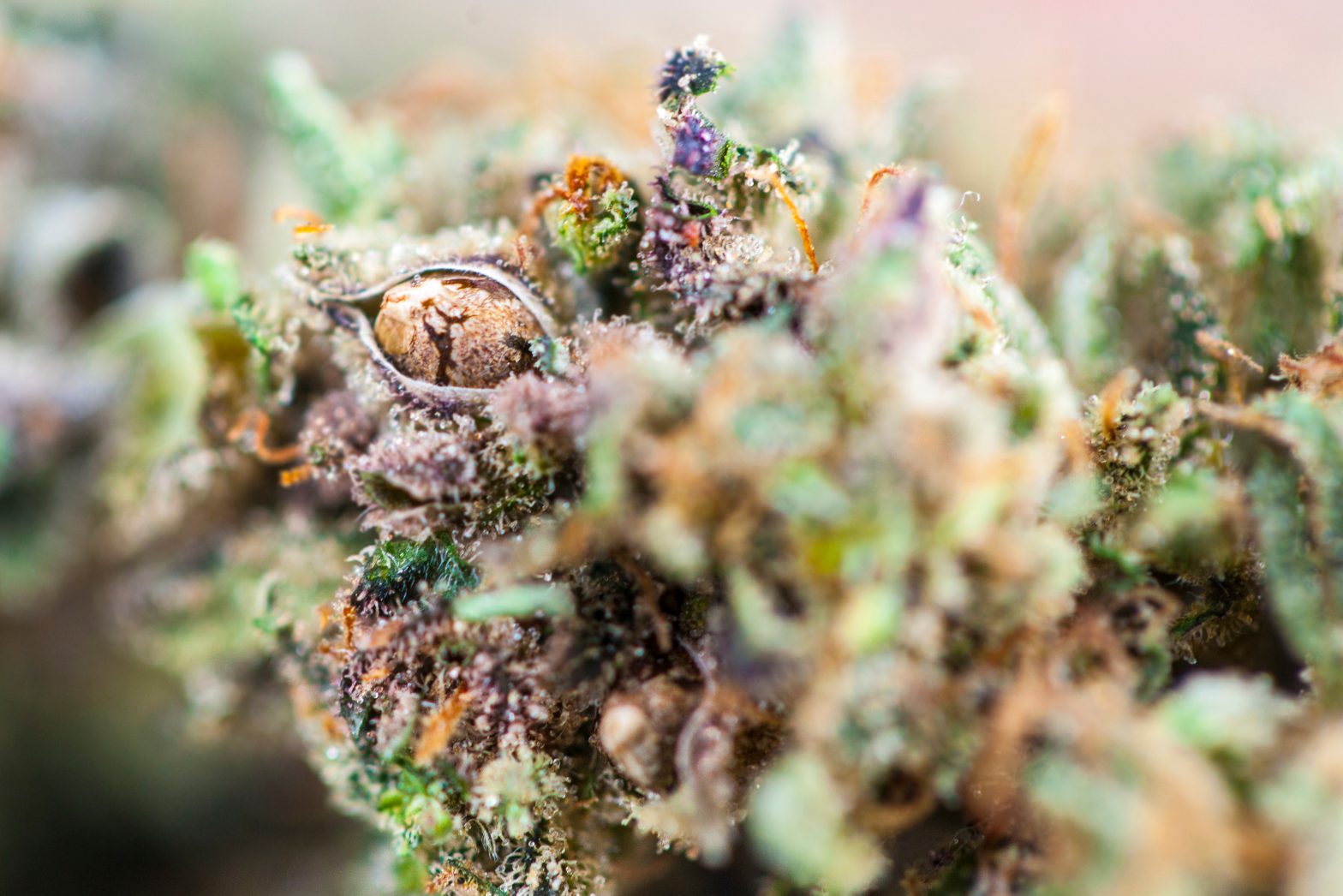
If you're asking, "Which cannabis seeds can I legally buy in Australia, and why does…