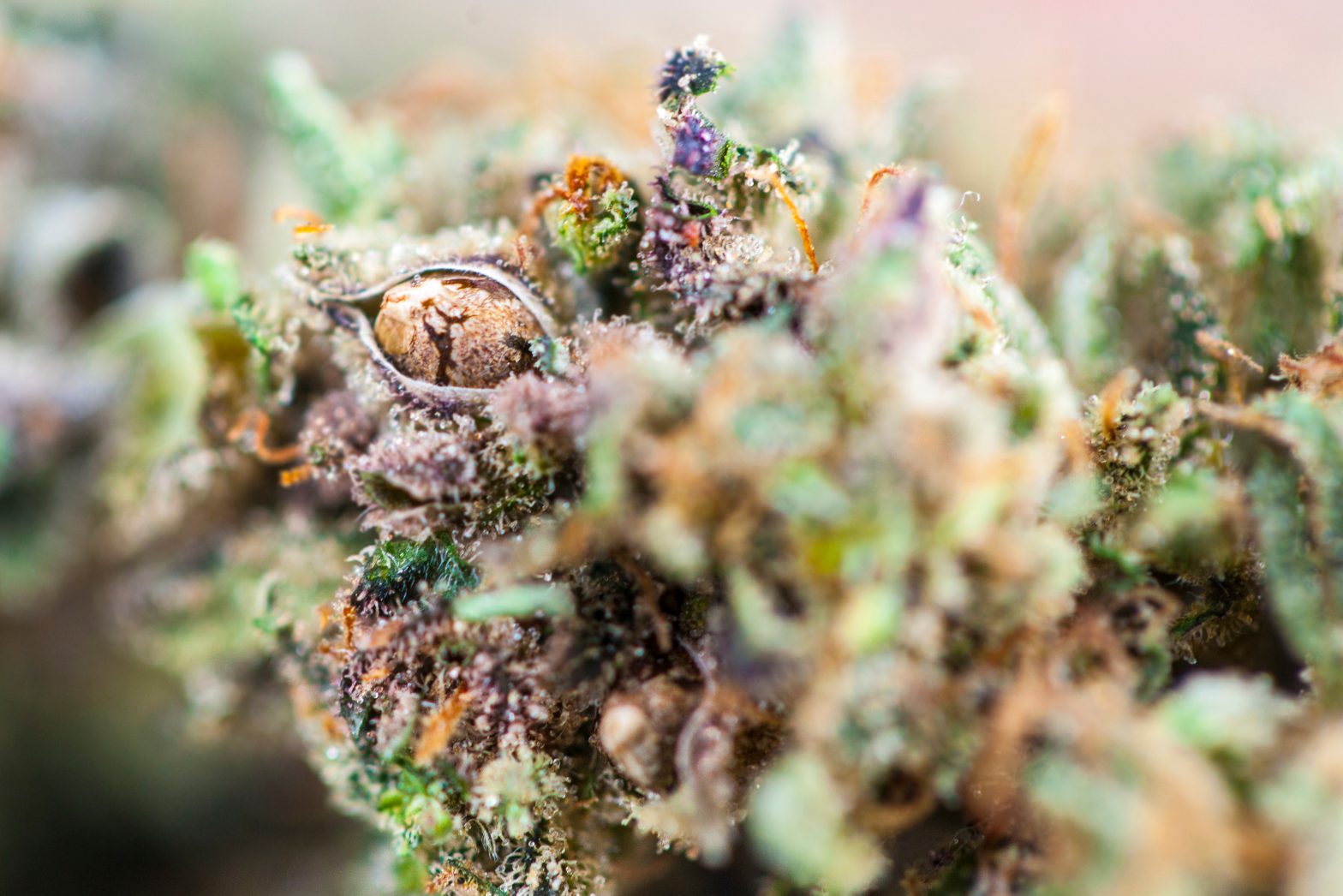
If you are asking what terpenes are, they are aromatic compounds produced by many plants, including cannabis. In cannabis, terpenes are found mainly in glandular trichomes on the flowers. They add to scent, cultivar traits, and the plant’s overall chemical profile.
For growers, terpenes matter because they link genetics, growing conditions, harvest timing, and post-harvest handling. They also shape the final quality of the flower. If you are still building your foundation as a grower, learn about the seven weed plant stages explained, too. This will help terpene development make more sense within the plant’s wider life cycle.
They are worth understanding, but they are often oversimplified. Terpenes do not tell the whole story on their own, and they do not guarantee a specific outcome. Aroma, quality, and user experience can depend on a wider mix of volatile compounds, cannabinoids, freshness, and individual response. A practical grower should treat terpenes as one important part of flower quality, not the only part.
Why Terpenes Matter to Growers
For a grower, terpenes matter because they influence how a cultivar presents at harvest and after cure. They help shape a plant’s familiar identity, whether the profile is citrus, earthy, piney, spicy, sweet, or sharp. However, strong terpene expression is not just about choosing an interesting strain. It also depends on how well the plant is grown, how cleanly it finishes, and how carefully the flowers are handled after harvest.
This is where experience matters. Many growers focus on yield and visible resin, but terpene quality can drop with poor handling. Flowers lose quality when they are rushed, overheated, overhandled, or stored poorly. In real gardens, the difference between average and memorable flowers often comes down to steady care. This matters in the last few weeks of flowering and the first few weeks after harvest. For growers who want better aroma and flower quality, read about enhancing the flavour of weed.
You can also read about maximising terpenes.
What Are Terpenes Doing in the Plant?
Terpenes are part of the plant’s secondary metabolism. In cannabis, trichomes are specialised sites for producing and storing valuable compounds, including cannabinoids and terpenes. In practical terms, this means terpene quality is closely tied to trichome health and preservation.
Across horticulture more broadly, glandular trichomes are understood as protective and biosynthetic structures. That does not mean growers should make big claims about every terpene effect in the plant. But it does support the idea that these compounds help plants respond to stress and their environment.
For growers, the main point is simple. Protect flower health. Avoid added plant stress. Keep trichomes safe from late flower through storage. A stronger understanding of how osmosis works in plants, along with the complete guide to cannabis roots, can help growers see how plant function and root health support overall flower quality.
Where Terpenes Are Found in Cannabis
In cannabis, terpene production is closely associated with glandular trichomes, especially on female flowers. These are the resinous structures growers watch during flowering and harvest planning. When flowers are bruised, dried too fast, or exposed to too much heat, you lose some volatile compounds. You also damage the structures linked to them.
That is why terpene conversations should never stop at strain descriptions. Good genetics matter, but the finished result depends heavily on how that flower is grown, harvested, dried, cured, and stored. It also helps to understand what you should know about cannabis pistils when monitoring flower development and maturity.
Common Cannabis Terpenes Growers Should Know
Myrcene
Myrcene is a well-known cannabis terpene. It is often linked to earthy, musky, or herbal notes. It often appears in cultivar descriptions, but growers should not assume one dominant terpene explains the final flower.
Limonene
Limonene is commonly associated with bright citrus-like aromas. When growers describe a cultivar as zesty, fresh, or sharply fruity, limonene may be part of that profile. Still, the finished aroma usually reflects a combination of compounds rather than limonene alone.
Pinene
Pinene is often connected with pine, forest, or resin-like notes. It is familiar to many growers because it can contribute to cleaner, sharper aromatic profiles in some cultivars.
Caryophyllene
Caryophyllene is usually described as peppery, spicy, or woody. It is a useful terpene to know when comparing cultivar aroma descriptions. Still, it must be understood in the context of the wider chemical profile.
Terpinolene
Terpinolene can show up in more layered profiles that come across as fresh, floral, herbal, or slightly citrusy. In practice, growers often notice it more in the overall bouquet than as a single obvious note.
Terpenes, Cannabinoids and the Bigger Picture
Terpenes are not cannabinoids. They are different types of compounds. Both are found in cannabis. Both add to the flower’s overall profile. This distinction matters because terpene marketing can sometimes blur into claims that are stronger than the evidence supports.
You will often hear that terpene profiles can predict exactly how a flower will feel. That is too confident. Human response to cannabis can depend on cannabinoid content, terpene composition, product type, dose, prior exposure, and individual biology. For a broader chemistry context, some readers may also want to explore what is cannabigerol CBG and what is CBN effects benefits and more.
That balanced view supports trustworthiness. A good grower or seed buyer can use terpene information as a helpful guide, but not as a promise.
What Affects Terpene Production in a Grow?
Genetics set the ceiling.
Terpene potential starts with genetics. Some cultivars naturally produce richer or more distinctive aromatic profiles than others. Strong seed quality and stable genetics give growers a better starting point, especially when consistency matters across a run. That is one reason articles like “clones vs seeds: growing the best cannabis” and “cannabis phenotypes and genotypes” are so useful when choosing what to grow.
Environment shapes expression
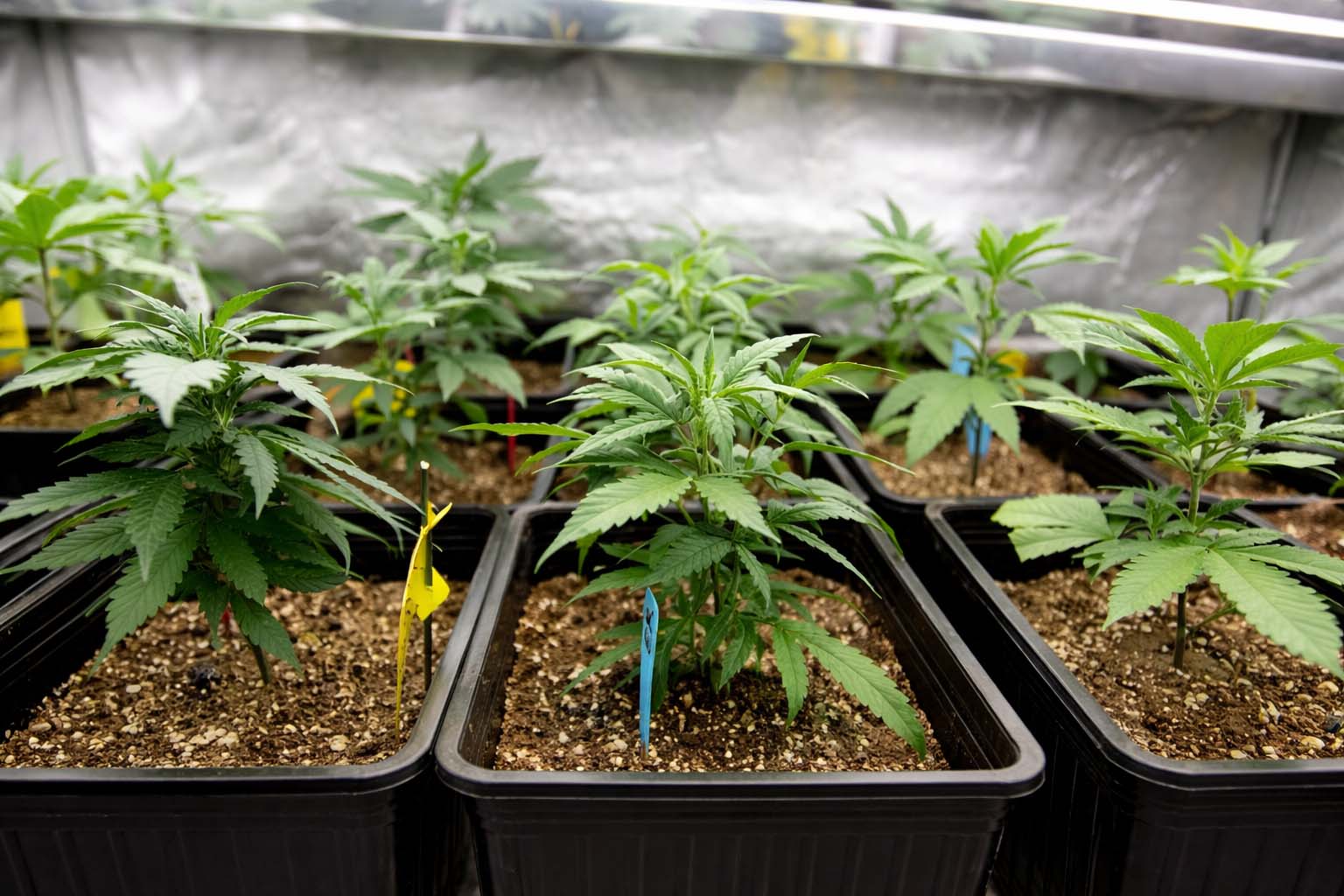
The environment influences how well that potential is expressed. Light quality, temperature, humidity, irrigation timing, nutrition, root-zone health, and stress levels can affect plant performance. They can also affect flower quality. Growers see this in practice when the same cultivar expresses differently in different rooms, seasons, or regions.
In Australian conditions, this is especially relevant. Hot inland areas, humid coastal zones, and cooler southern climates can all push plants in different directions. That is why local growing conditions should always be considered alongside strain descriptions. Growers planning seasonal runs may find the cannabis grow calendar for Australia helpful.
They may also like growing cannabis outdoors in Australia and growing cannabis indoors Australia.
Plant maturity and harvest timing matter
Terpene quality is tied to plant maturity. Harvesting too early can leave a cultivar with a weak aroma. Harvesting too late can dull freshness and shift the flower from its best expression. The right harvest window depends on the cultivar and growing environment, so close observation matters more than generic timelines. If flowering seems off, why is my cannabis not flowering? can help troubleshoot timing and development issues.
Drying, Curing and Storage: Where Terpene Quality Is Often Won or Lost
Post-harvest handling is one of the most important parts of terpene retention. Drying method, curing conditions, and storage choices can all influence final quality.
From a practical grower’s perspective, a few habits make a real difference:
Dry steadily rather than rushing with excessive heat.
Keep the drying space stable and hygienic.
Avoid rough handling that unnecessarily knocks around flowers.
Cure carefully, rather than sealing flowers before they are ready.
Store finished flowers away from heat, light, and repeated temperature swings.
This is where experience shows. Many terpene issues that growers attribute to genetics are actually post-harvest problems. Flowers can look good, but still lose much of their aromatic sharpness if drying and storage are sloppy.
For growers wanting to tighten this stage, drying and curing weed the complete guide, how to trim marijuana, and how to store weed are the most relevant follow-up reads.
Practical Troubleshooting for Better Terpene Retention
If your flowers smell weaker than expected
Start by looking at the basics. Weak aroma can come from average genetics, harvesting too early, drying too warm, over-drying, or storing flowers poorly. It can also happen when plants finish under unavoidable environmental stress. In many cases, the answer is not one miracle fix but a cleaner process from late flower onward.
Heat often lowers flower quality for Australian growers. So, cannabis plant heat stress prevention is a helpful place to start. If the issue relates to feeding or water quality, these guides may help.
See a breakdown of the ideal cannabis feeding schedule. Read about the ideal water for marijuana plants. Learn about the importance of pH when growing marijuana.
They can help you find the weak point.
If two runs of the same cultivar smell different
That can happen even with the same seed line. Environmental variation, different feeding pressure, slightly different harvest timing, or changes in drying conditions can all shift terpene expression. This is why experienced growers rely on repeatable routines and note-taking, not just memory.
It can also be worth checking whether one run experienced stress that the other did not.
Articles like over and under watered weed plants can help.
You can also read cannabis wind burn how to identify treat it.
Another helpful guide is avoiding and solving nutrient lockout in cannabis. They can rule out hidden causes of lower quality.
If a cultivar sounds great on paper but underdelivers
Treat catalogue descriptions as guides, not guarantees. Strong genetics help, but cultivar performance still depends on whether the growing environment suits that plant. A cultivar that performs beautifully in one setup may be less impressive in another. Matching genetics to your climate or room conditions is often more important than chasing whatever has the loudest description.
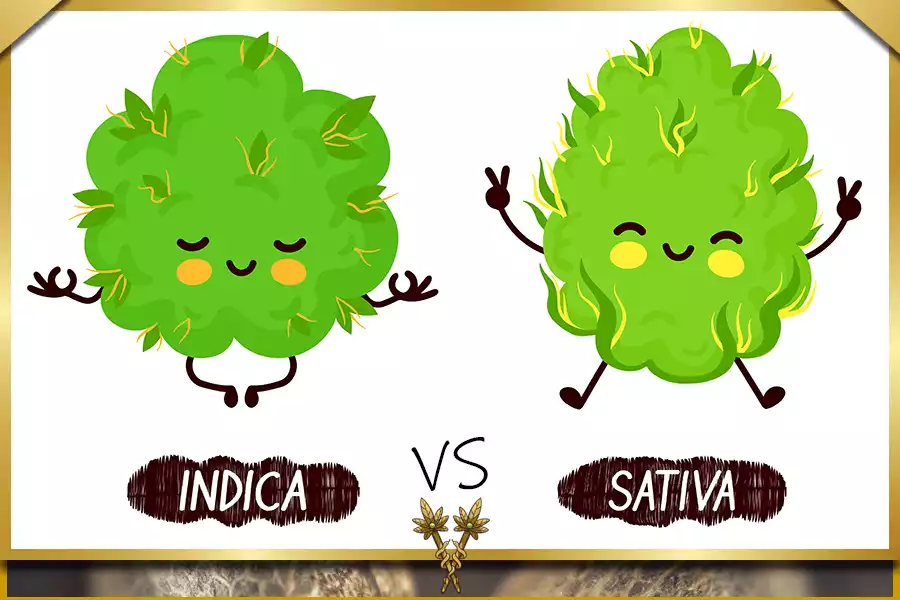
Growers may compare different cultivar types. They may find cannabis indica sativa useful. They may also find feminised cannabis seeds Australia helpful. These links can help narrow down what may perform best.
Why Terpenes Matter When Choosing Seeds
For seed selection, terpenes are most useful when considered with flowering time and plant structure. They also matter in terms of climate suitability, vigour, and general growing behaviour. A reliable seed choice is not just about chasing an exciting aroma profile. It is about choosing genetics that can realistically perform under your conditions and growing style.
That is why growers often get better results by focusing on the whole package, not just one aroma trait. Beginner cannabis seeds, indoor cannabis seeds, and outdoor cannabis seeds can all make more sense than chasing a cultivar purely because it sounds terpene-rich on paper.
Conclusion: What Are Terpenes in Practical Terms?
So, what are terpenes for a grower? They are aromatic compounds that help define the smell and character of cannabis. Still, they also reflect something bigger: the combined result of genetics, cultivation, harvest decisions, and post-harvest care.
The most useful way to think about terpenes is not as a shortcut to bold claims, but as part of a wider quality framework. Choose solid genetics, grow consistently, harvest with care, and properly protect the flower after cutting. Under the right conditions, that approach gives terpene quality a much better chance to show up in the finished product.
FAQ
What are terpenes in cannabis?
Terpenes are aromatic compounds found in cannabis and many other plants. In cannabis, they are closely linked to glandular trichomes on the flowers. They add to the plant’s scent and overall profile.
Do terpenes determine how cannabis will affect someone?
Not on their own. The overall response can depend on cannabinoids, terpene composition, dose, product type, and individual biology. Terpene claims should be treated carefully.
Can growers increase terpene quality?
Growers can improve terpene retention and expression by starting with good genetics. They can also manage the environment, plant health, harvest timing, drying, curing, and storage well. It depends on the cultivar and the growing environment, but process quality matters a lot.
Why do some flowers lose aroma after harvest?
Volatile compounds are sensitive to handling and storage. Drying too fast, using too much heat, rough handling, or poor storage conditions can all reduce aromatic quality.
Are terpenes the same as terpenoids?
They are related but not identical terms in chemistry. In everyday cannabis content, they are often discussed together. Still, growers should focus on the practical point. These compounds are part of the volatile profile. This profile helps shape aroma and quality.
Why does the same strain sometimes smell different from one grow to another?
Because genetics is only part of the outcome. Environment, maturity at harvest, drying method, curing, and storage can all change the finished aroma profile.