Detecting bud rot and mould on marijuana plants is a key skill for Australian growers. It helps protect flower quality, preserve yields, and prevent the loss of healthy buds late in the season.
Early detection of bud rot and mould on marijuana plants helps growers. It lets them remove the affected material before it spreads through the crop.
In Australia, humidity, rain, and dense late-flowering buds can quickly cause problems. Learning to spot bud rot and mould on marijuana plants is essential.
Bud rot and mould can spread fast when moisture becomes trapped in flowers and airflow is poor. A plant may look healthy from the outside while damage is already developing deep inside the bud. That is why regular inspection, smart plant management and strong prevention habits matter so much.
At Mediseed Man, we treat bud rot prevention as a core part of successful growing. The best growers do not wait for obvious damage. They watch the canopy closely, manage humidity, maintain airflow and act quickly when something looks off.
Detecting Bud Rot & Mould on Marijuana Plants: What Bud Rot Actually Is
Bud rot is a fungal problem in cannabis flowers. It often starts inside the densest part of the bud. It happens when moisture builds up, and air stays still. It often starts near the stem inside the flower. Then it spreads outward, making it hard to spot early.
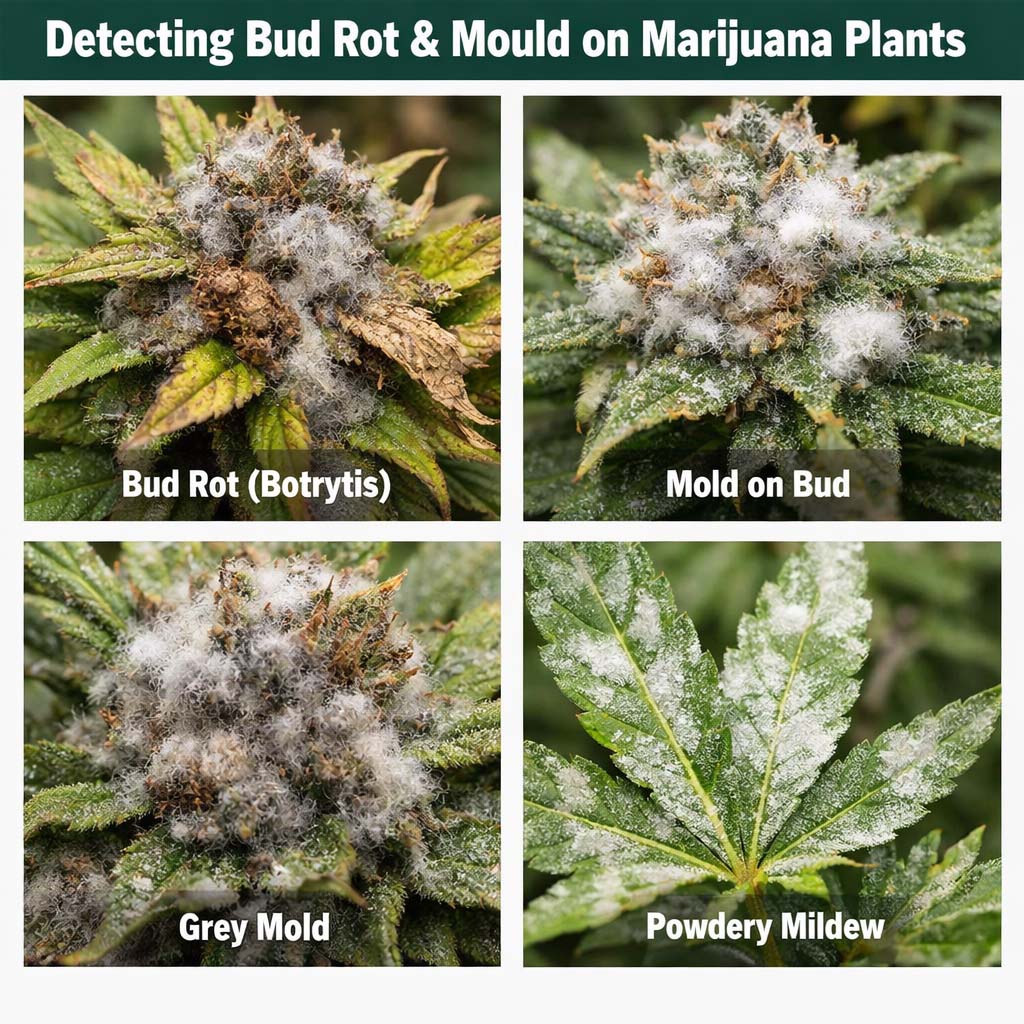
Once established, bud rot begins breaking down the flower tissue. The affected bud may turn grey, brown or dull-looking, and the infected area can become soft, wet or mushy. As the rot spreads, spores can move to nearby buds and surrounding plants.
This problem is most common during flowering. It happens more often when buds are large and compact. It is also more likely when the buds are exposed to humidity or repeated moisture. That makes Detecting Bud Rot & Mould on Marijuana Plants especially important in the later stages of a grow.
Detecting Bud Rot & Mould on Marijuana Plants: Early Warning Signs
When Detecting Bud Rot & Mould on Marijuana Plants, there are several common warning signs to look for:
-
A bud section that looks grey, brown, faded or lifeless
-
Flower material that feels soft, wet, slimy or rotten
-
White, grey or fuzzy growth on or inside the bud
-
Sugar leaves are sticking out of a bud and dying unusually fast
-
A musty, damp or stale smell coming from the flowers
-
Buds that fall apart strangely when opened
One of the most important things to remember is that bud rot often starts inside the flower. Do not rely only on surface inspection. If a cola looks suspicious, gently open it and inspect the centre.
This matters even more for growers working through wet conditions outdoors.
If you plan around local seasons, read the cannabis grow calendar for Australia.
Also read growing cannabis outdoors in Australia.
Detecting Bud Rot & Mould on Marijuana Plants In Australian Conditions
Australian growers often deal with conditions that can worsen mould pressure, especially during late flowering. Humid coastal air, repeated rain, cool nights, dense canopies and poor airflow around flowers can all increase the risk.
That is why Detecting Bud Rot & Mould on Marijuana Plants is not just about recognising rot once it appears. It is also about understanding when the risk is highest.
Outdoor growers need to stay alert after rainfall, during humid stretches and whenever flowers are becoming large and compact. Indoor growers need to stay alert when humidity builds in the room and airflow through the canopy drops.
Wherever you grow, prevention starts with understanding the environment around the plant.
Detecting Bud Rot & Mould on Marijuana Plants: What Causes It?
Bud rot and mould thrive when conditions favour fungal growth. Warmth, trapped moisture and stale air create an environment where spores can settle and spread.
The most common causes include:
-
High humidity
-
Poor airflow through the canopy
-
Dense plant structure
-
Dense buds
-
Repeated rain or moisture exposure
-
Overcrowded growing spaces
-
Overwatering or excess moisture in the environment
-
Plants weakened by stress or poor health
Indoor conditions can sometimes create the same risks as bad outdoor weather. Overwatering, low air movement and poor room control can all raise humidity around the flowers. If you need to improve your watering, these resources can help. Read about the ideal water for marijuana plants. Also review over and under-watered weed plants.
Why Dense Buds Need More Attention
Dense flowers are often attractive to growers, but they are also more likely to trap moisture and restrict airflow. That makes the bud’s inner sections more vulnerable to fungal growth.
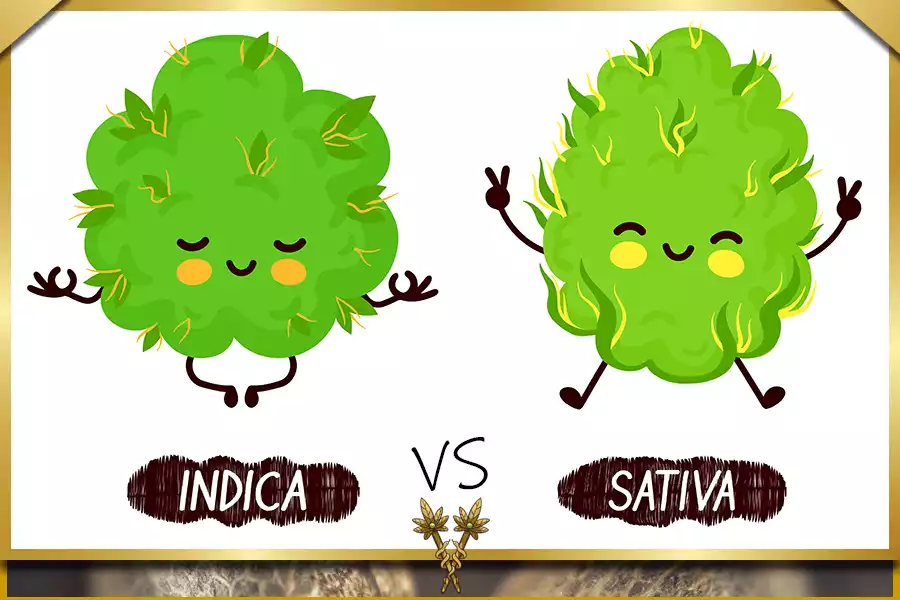
Plants with more open flowers may cope better in humid conditions because air can move more easily around them. Genetics, environment and plant structure all influence risk. Growers comparing flower types may also find cannabis indica sativa, avoiding and fixing airy cannabis buds, useful.
Detecting Bud Rot & Mould on Marijuana Plants: How To Prevent It
The best defence is prevention. Once rot has taken hold inside a bud, the affected flower cannot be saved. It needs to be removed and discarded, and the rest of the plant needs to be inspected closely.
To reduce the risk of detecting Bud Rot & Mould on Marijuana Plants too late, focus on the following:
-
Keep humidity under control
-
Improve airflow around and beneath the canopy
-
Avoid overcrowding plants
-
Prune excess growth
-
Inspect buds regularly during flowering
-
Watch plants closely after rain or humidity spikes
-
Keep overall plant health strong
-
Avoid leaving the grow environment damp for long periods
Good airflow is one of the biggest protective factors. Opening the canopy helps reduce trapped moisture and allows flowers to dry more evenly. Training and pruning can help a lot here. Useful internal reads include cannabis pruning, why, when, and how, screen of green: how to scrog and super cropping guide.
Detecting Bud Rot & Mould on Marijuana Plants Indoors
Indoor growers have a major advantage because they can control the environment more directly. But that control only helps if the room is managed properly.
Indoor prevention should include:
-
Fans to keep air moving
-
Good extraction and ventilation
-
Stable humidity control
-
Stable temperatures
-
Sensible watering practices
-
Enough plant spacing
-
Canopy management where needed
A stable room supports healthier plants and lowers mould pressure.
Growers who improve their indoor setup may also want to read;
Detecting Bud Rot & Mould on Marijuana Plants Outdoors
Outdoor growers have fewer climate controls, so prevention depends more heavily on spacing, airflow, plant management and timing.
To lower the outdoor risk:
-
Space plants correctly from the beginning
-
Prune inner and lower growth
-
Support branches with trellis, cages or stakes
-
Check flowers after bad weather
-
Avoid overly crowded canopies
-
Keep the plant healthy without overwatering
-
Remove excess moisture after rain, where practical
Outdoor growers should also think about exposure, airflow and protection from prolonged wet conditions.
Related articles, such as:
What To Do After Detecting Bud Rot & Mould on Marijuana Plants
If you find bud rot, act quickly. The affected bud should be removed and thrown away immediately. Do not try to dry it, cure it or consume it.
After removal:
-
Inspect nearby buds carefully
-
Check the rest of the plant
-
Check nearby plants if they are close together
-
Improve airflow immediately
-
Reduce excess humidity if possible
-
Monitor the crop daily afterwards
When Detecting Bud Rot & Mould on Marijuana Plants, speed matters. Waiting gives spores more time to spread.
Detecting Bud Rot & Mould on Marijuana Plants During Drying
Bud rot risk does not end when the plant is cut down. Drying rooms can also create mould problems if humidity is too high or airflow is poor. Freshly harvested flowers still hold moisture, so the environment needs to be managed carefully.
To reduce risk during drying:
-
Inspect colas closely at harvest
-
Remove suspicious material immediately
-
Harvest after drier weather, where possible
-
Remove excess leaf material to improve airflow
-
Keep the drying area clean, dark and ventilated
-
Monitor temperature and humidity closely
-
Check drying buds every day
This stage is too important to rush or neglect.
For more support here, read;
Healthy Plants Usually Handle Stress Better
While bud rot is mainly an airflow and moisture issue, strong overall plant health still matters. A stressed plant is often more vulnerable to disease pressure and environmental setbacks.
Growers should also stay on top of root health, feeding and general plant maintenance. Related guides include a breakdown of the ideal cannabis feeding schedule.
You can also read about avoiding and solving nutrient lockout in cannabis.
Another helpful guide covers the best companion plants for your cannabis.
Detecting Bud Rot & Mould on Marijuana Plants: Our Verdict
For Australian growers, detecting bud rot and mould on marijuana plants is a core growing skill. It should not be a last-minute check near harvest. The earlier you spot the signs, the better your chance of protecting the rest of the plant and preserving flower quality.
Bud rot is frustrating, but it is rarely random. In most cases, it comes back to moisture, humidity, dense flower structure and poor airflow. That means good habits can make a real difference. Stay proactive, inspect often and never ignore unusual buds.
Final Thoughts On Detecting Bud Rot & Mould on Marijuana Plants
Detecting Bud Rot & Mould on Marijuana Plants is essential for protecting yield, quality and the rest of your garden. Whether you grow indoors or outdoors, one core rule applies. Trapped moisture and poor airflow create perfect conditions for fungal problems.
If you prune regularly, space your plants, control humidity, and check them often, you are more likely to get clean, healthy flowers.
For Australian growers, Detecting Bud Rot & Mould on Marijuana Plants is not just about reacting to a problem. It is about preventing it from spreading.
FAQ
What does bud rot look like on cannabis?
Bud rot usually appears as grey, brown or dying flower material inside the bud. It may also look soft, wet, fuzzy or decayed and often carries a musty smell.
Can you smoke weed with bud rot or mould?
No. Mouldy or rotten cannabis should not be smoked or consumed. Any affected buds should be thrown away.
What causes bud rot on marijuana plants?
Bud rot often starts when moisture gets trapped. It can also start when the humidity stays high. Poor airflow and dense buds can raise the risk. These conditions can promote fungal growth.
Is bud rot more common outdoors?
It can be, especially after rain or during humid late-season conditions. Indoor plants can still develop bud rot if humidity and airflow are poorly managed.
Can a marijuana plant recover from bud rot?
The infected bud cannot recover. The affected section must be removed, and the rest of the plant should be checked immediately.
How do I reduce the risk of mould during drying?
Keep the drying room dark, clean, and well-ventilated, with stable humidity and temperature. Check harvested buds regularly and remove any suspicious material straight away.
Are some cannabis plants more likely to get mould?
Yes. Plants with very dense flowers and crowded canopies are often more vulnerable, especially in humid conditions.