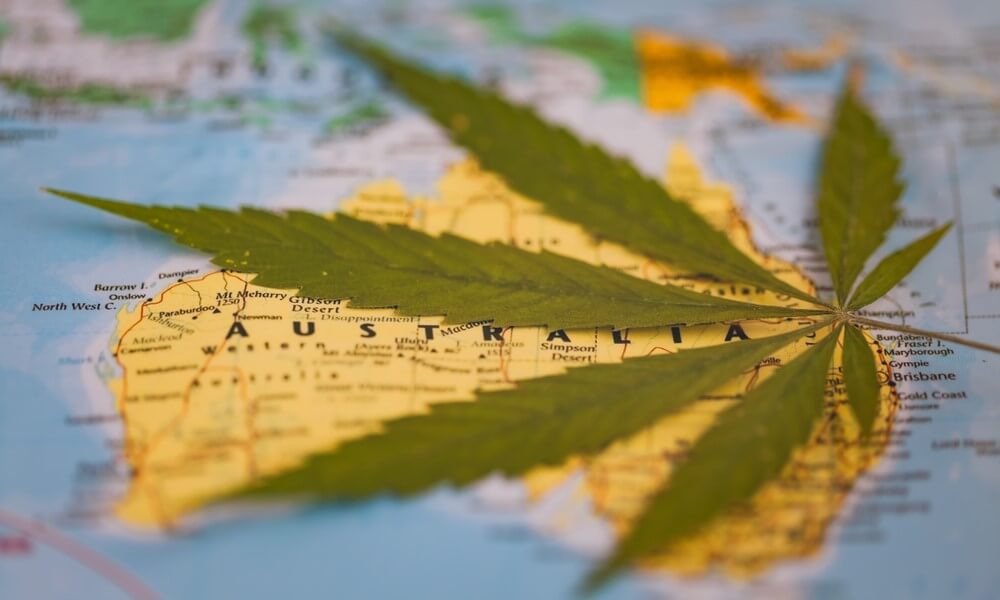
A cannabis grow calendar for Australia gives growers a clearer way to plan each stage of the season. For anyone looking for an Australian cannabis grow calendar, the best approach is to know the best grow time by region. It is more useful than using a rigid national timetable.
In most regions, that means planning.
- Late winter to early spring (August to September): planning and preparation
- Spring to early summer (October to December): establishing plants
- Summer (January to February): managing vigorous growth
- Late summer to autumn (February to April): monitoring flowering and harvest conditions
However, Australia has tropical, subtropical, temperate, inland, and cool southern growing zones. So, the best timeline depends on your local conditions.
A good cannabis grow calendar for Australia should not treat the whole country as one grow room. Instead, it should help growers understand the weed-growing season across Australia. It should help them pick the best time to grow weed. It should also support smarter decisions about watering, climate, plant health, and harvest timing.
For anyone building a seasonal plan from scratch, it helps to understand the seven stages of weed plant growth, too. This way, each part of the year aligns with the plant’s actual development.
Understanding the Weed Growing Season Australia Wide
The weed-growing season across Australia varies by region because the country’s climate is so broad. A grower in tropical Queensland usually faces different pressures than someone in coastal New South Wales. Someone in inland South Australia or southern Victoria also faces different pressures. Humidity, temperature swings, rainfall, airflow, and day length all shape how a plant performs across the season.
That is why a weed calendar for Australia works best as a practical framework rather than a rigid rulebook. In many regions, spring is the safest time to start. Summer supports the strongest vegetative growth. Autumn is the main time for flowering and harvest. In tropical areas, wet and dry seasons can matter as much as the usual four seasons.
In real-world growth, success often comes from adapting to local conditions rather than forcing a single national timetable. This is especially true when growers work outdoors. Weather, soil temperature, and seasonal changes affect each stage of development.
Late Winter to Early Spring (August to September): Planning and Protected Starts
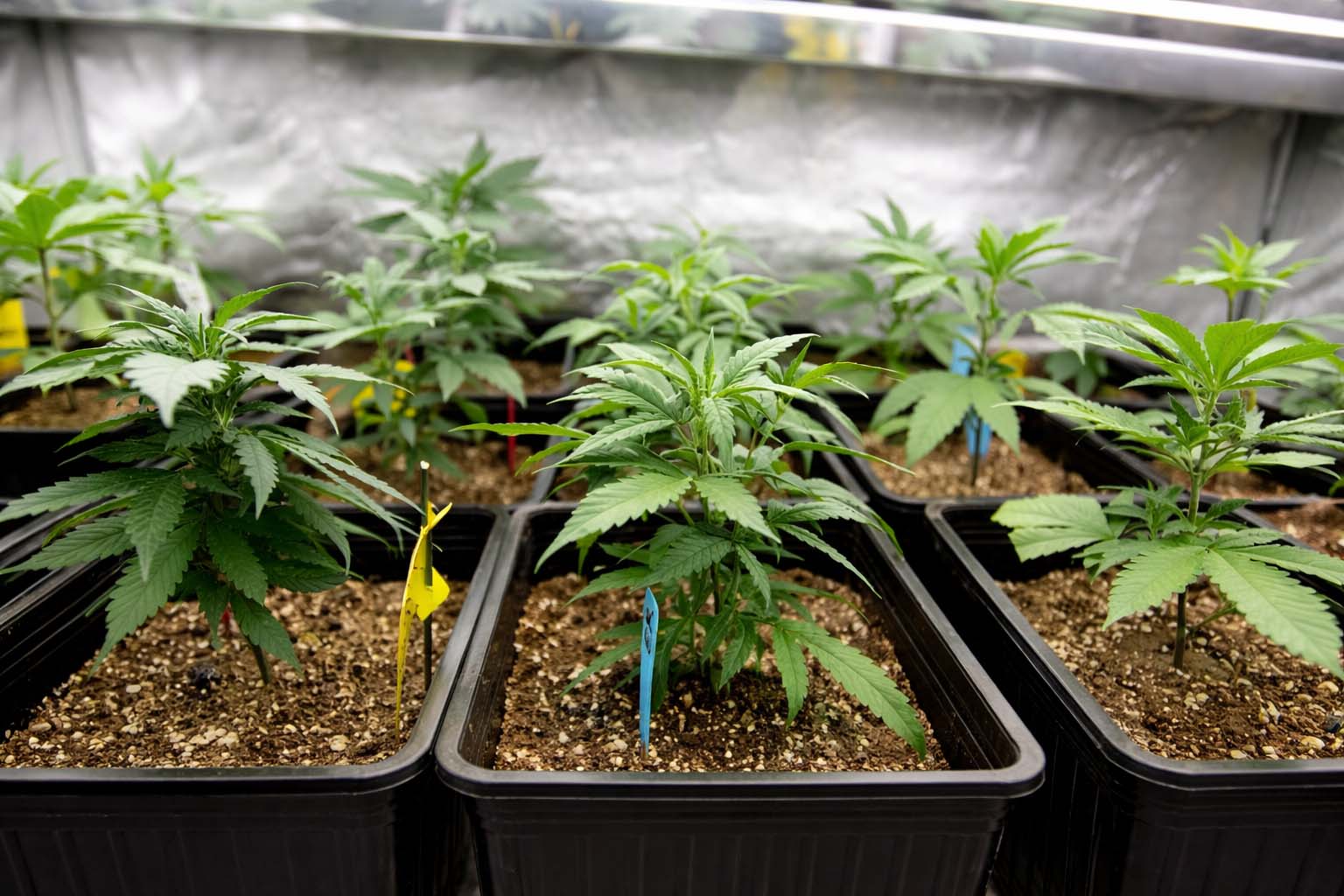
Across much of the country, late winter to early spring (August to September) is a key prep time. This period is part of the Australian cannabis grow calendar. This is often when growers choose genetics and prepare beds or containers. They may improve soil quality, clean equipment, and promote germination in a protected setup. This can help if nights are still cold.
For many growers, this is also when early mistakes can be avoided. Starting seedlings outdoors too early may slow them rather than help them, especially in cooler or inland regions. A slower but steadier beginning often leads to stronger growth later in the season.
This is the point at which growers often decide whether to start from seed or a clone. If you are comparing the two options, clones vs seeds, “Growing the Best Cannabis” is a useful related article. If you are germinating seeds, mistakes to avoid when germinating cannabis seeds can help reduce avoidable setbacks early on.
Young plants are particularly sensitive during this stage. Poor light, overwatering, cold stress, and rough handling can all affect establishment. If issues appear early, fixing cannabis seedling problems is one of the most relevant follow-up reads.
Mid Spring to Early Summer (October to December): Establishing Plants Outdoors
For many regions, mid-spring to early summer (October to December) is when Australia’s cannabis grow calendar shifts. It moves from preparation to outdoor planting. Days are longer, temperatures are usually steadier, and plants can often grow stronger with less risk of cold shock.
This part of the season is where site selection matters. Outdoor cannabis generally does best with:
If the site is too shaded or poorly drained, those weaknesses usually become more obvious once growth accelerates. Before choosing a final position, it helps to review how much sunlight a cannabis plant needs.
If you move plants to larger pots or garden beds, the complete cannabis transplanting guide also fits here.
This is also the right stage for growers to think about protection rather than reaction. Growing cannabis outdoors in Australia and protecting your outdoor grow both support that practical approach.
Summer (January to February): Vigorous Growth and Active Management
In many areas, summer (January to February) is the strongest growth phase in a cannabis grow calendar for Australia. Under the right conditions, a weed plant can grow fast in the vegetative stage. It can expand its canopy and build a structure for flowering later.
At the same time, this is when seasonal stress often becomes more visible. Heat, dry wind, root restriction, uneven watering, and nutrient imbalance can reduce performance. Manage these factors carefully.
This is why cannabis-growing calendar Australia-style advice should never stop at simple month labels. It also needs to explain what the plant is likely to need at each stage.
In summer, the basics usually matter most:
keep watering consistent
protect root-zone health
maintain airflow through the canopy
Reduce avoidable heat stress.
Watch leaves and stems for early warning signs.
For growers who want a tighter routine, these internal reads can help.
Check out the ideal water for marijuana plants.
This is also when growers often start noticing plant stress that has been building quietly. If symptoms show up, these articles fit naturally in the flow of the article:
Late Summer to Autumn (February to April): Flowering and Harvest Timing
For many outdoor photoperiod plants, late summer to autumn (February to April) is the most important time. This is when flowering and harvest timing matter most. In an Australian cannabis grow calendar, this is when growers shift focus from size to maturity. They also watch weather pressure and finishing quality.
Because cannabis responds to shortening day length, flowering usually deepens as the season moves toward autumn. Even so, plants do not all finish at the same time. Cultivar, planting date, region, and seasonal conditions all influence the finishing window.
That is why deciding when to harvest marijuana plants across Australia cannot be reduced to one exact date. In warmer, drier areas, some plants may experience less weather-related stress. In humid, coastal, or rainy weather, growers may need to balance crop maturity with the risk of mould. They may also face worsening seasonal conditions.
If flowering seems delayed or uneven, use this internal link: Why is my cannabis not flowering? As harvest approaches, these related articles also fit naturally:
Once plants are harvested, drying and curing weed: the complete guide becomes the natural next step.
Best Time to Grow Weed in Australia by Region
The best time to grow weed in Australia depends on the region. Each part of the country puts different pressure on the plant.
Tropical regions
In tropical regions, warmth is rarely the main obstacle. Instead, humidity, prolonged moisture, and seasonal rain often create the bigger challenge. That means planning the season around drier, more stable conditions can matter more than starting as early as possible.
Subtropical regions
Subtropical growers often have a long outdoor season and strong sunlight. But storms, summer humidity, and thick canopy growth can still cause problems. In these regions, the best results usually come from a long season and sensible spacing. Good airflow and weather awareness also help.
Temperate regions
Temperate areas often follow the clearest outdoor pattern. Growers often plan in late winter or early spring. They plant as spring warms up. They manage strong growth through the summer. They harvest as conditions shift into autumn. This is often the pattern people picture first when they think of a weed calendar for Australia.
Cool and inland regions
Cooler southern and inland areas often need a more cautious timetable. Frost, greater temperature swings, and a shorter, more reliable season can all affect plant development. In these regions, later outdoor starts and closer attention to autumn conditions are often the safer path.
Best Conditions to Grow Weed in Each Australian Region
The best conditions for growing weed vary by Australian region, but the fundamentals remain consistent. A healthy plant usually benefits from:
Which factor becomes the biggest challenge?
In tropical areas, excess humidity is often the main issue.
In subtropical regions, it may be a combination of heat, rain, and dense growth.
In temperate zones, the challenge is often timing and seasonal balance.
In cool or inland regions, cold nights and shorter windows can define the season.
For growers who want a simple rule, it is this: the best conditions keep the plant healthy. This should stay true from establishment through flowering. In many cases, that means matching the cultivar to the climate. It also means managing avoidable stress early rather than correcting it later.
Common Mistakes an Australian Cannabis Grow Calendar Can Help Prevent
A strong Australian cannabis grow calendar can help growers avoid several common mistakes, including:
starting seedlings too early for the local climate
underestimating how much direct light a site receives
Overwatering or underwatering in hotter weather
ignoring airflow in humid conditions
assuming all regions flower and finish at the same time
leaving plants exposed to late-season mould pressure for too long
choosing a strain that does not suit the season length
This is one of the main reasons a weed calendar for Australia is so useful. It does more than outline the year. It helps growers understand what the season is likely to demand, and when.
Final Thoughts
A cannabis grow calendar for Australia should help growers plan the season with more confidence. It should also recognise that Australia is too diverse for a single rigid timetable. In many cases, the year can be broken down into:
late winter to early spring (August to September) for planning and protected starts
mid spring to early summer (October to December) for outdoor establishment
summer (January to February) for vigorous growth and active management
late summer to autumn (February to April) for flowering and harvest timing
However, the best time to grow weed in Australia depends on your local weather and cultivar. The best harvest time for marijuana plants also depends on the season in your area.
The most reliable way is to use an Australian cannabis grow calendar as a guide. Then refine it through observation, regional knowledge, and practical decisions. That produces a more trustworthy and useful result than relying on a one-size-fits-all schedule.
FAQ
What is the best time to grow weed in Australia?
For many outdoor growers, planning starts in:
- Late winter to early spring (August to September): planning begins for many outdoor growers
- Spring to early summer (October to December): outdoor establishment usually takes place
- Summer (January to February): strong growth continues
- Late summer to autumn (February to April): flowering and harvest decisions are usually made
*Important note: exact timing depends on your region and seasonal stability
Does a weed calendar for Australia change by region?
Yes. A weed calendar for Australia should vary by region. Tropical, subtropical, temperate, inland, and cooler areas all behave differently. Rainfall, humidity, light, and temperature patterns can all shift the best planting and harvest window.
When to harvest marijuana plants Australia-wide?
There is no single national harvest date. Harvest time for marijuana plants across Australia depends on the strain, planting time, local weather, and flowering progress. In many cases, growers balance maturity with risks such as rain, humidity, or mould pressure.
What are the best conditions to grow weed in each Australian region?
The best conditions to grow weed in each Australian region usually include strong light and steady warmth. They also include the right moisture, good airflow, and enough season time to finish. The main limiting factor varies by region.
Why is summer so important in a cannabis growing calendar Australia guide?
Summer is often when plants build the bulk of their structure and canopy. It is also when heat stress, watering mistakes, and nutrient imbalances become more obvious. Careful management during January and February can have a major effect on the outcome.