

Feminised cannabis seeds didn’t just make growing more efficient — they made it more accessible. By dramatically reducing uncertainty about plant sex and maximising the productive use of growing space and resources, feminised seeds opened cannabis cultivation to a much broader audience. Most Australian growers, particularly those focused on flower production rather than breeding or genetic experimentation, will find that feminised seeds align well with their goals.



Showing 1–28 of 64 results
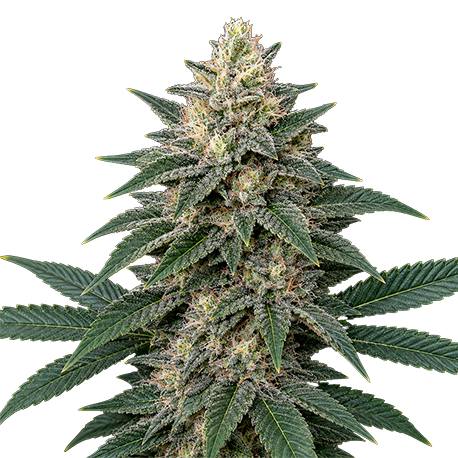


100% Indica
8–10 weeks from 12/12
Up to 25%
Below 1%
Hindu Kush
from $11.00per seed View Product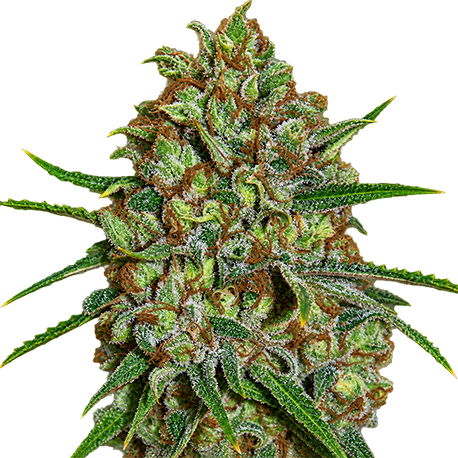
85% Indica | 15% Sativa
8-10 Weeks
Up to 18%
Below 2%
Afghan Kush x Super..
from $11.00per seed View Product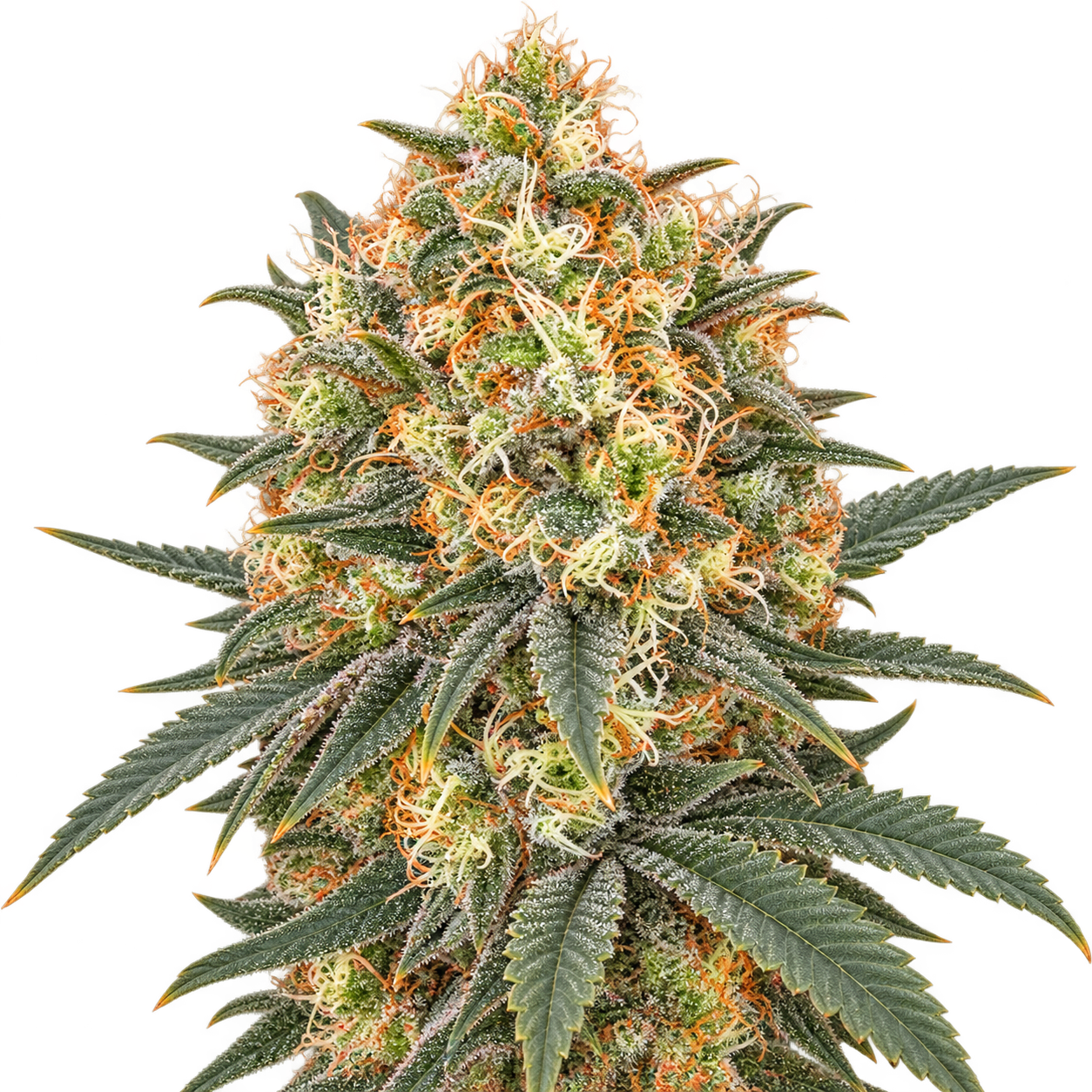
100% Indica
8–9 weeks from 12/12
Up to 22%
Below 1%
Afghani landrace
from $11.00per seed View Product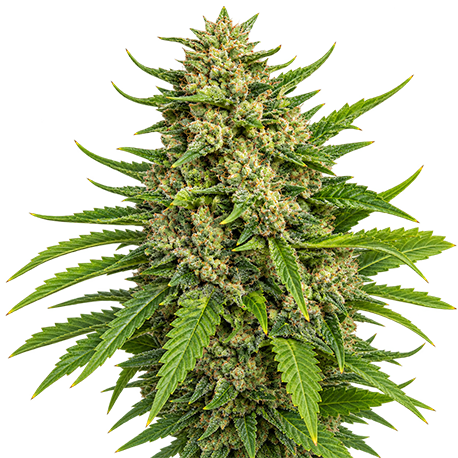
65% Sativa | 35% Indica
8-9 Weeks
Up to 20%
Below 2%
Colombian × Mexican × Thai × Afghani landraces
from $11.00per seed View Product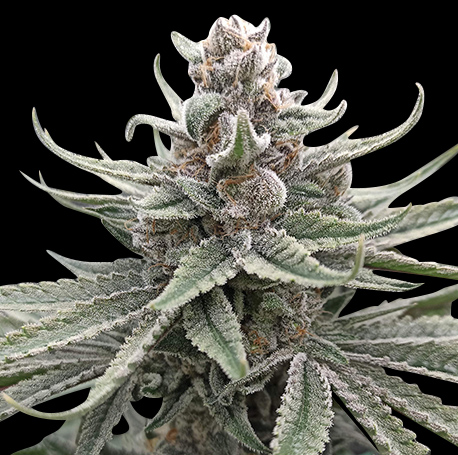

50% Indica | 50% Sativa
8–10 weeks from 12/12
Up to 28%
Below 1%
Tahoe OG × Alien Kush
from $11.00per seed View Product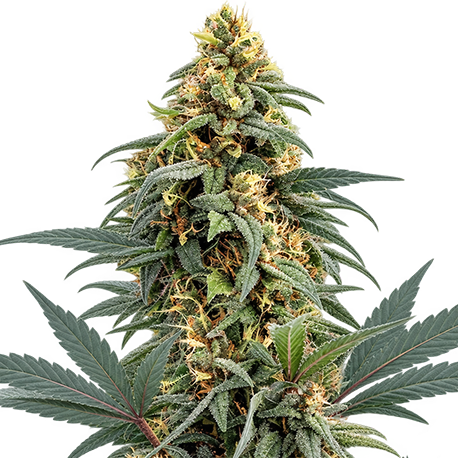
80% Sativa | 20% Indica
9 Weeks
Up to 21%
Below 2%
Asian landraces (Thai × Cambodian × Laotian) × Jamaican Haze, with Afghani-Hawaiian indica influence
from $11.00per seed View Product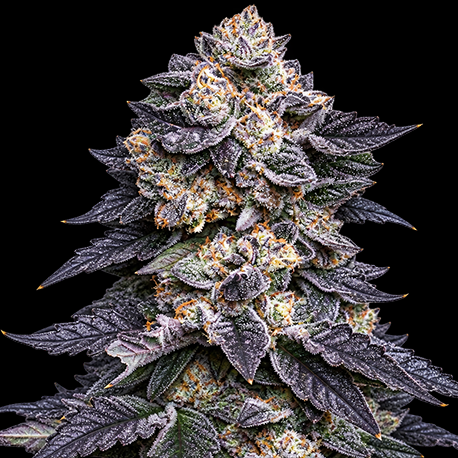
50% Indica | 50% Sativa
8-9 Weeks
24–28%
Below 1%
Sour Apple × Animal Cookies
from $11.00per seed View Product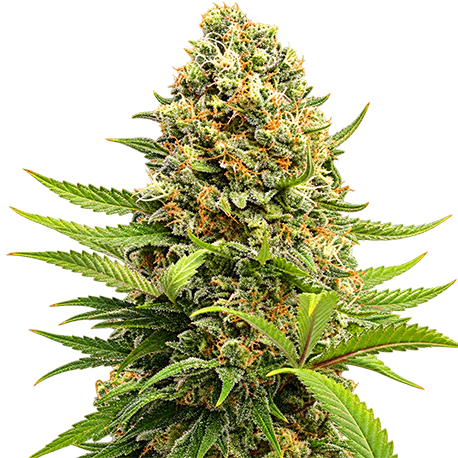
60% Indica | 40% Sativa
7–9 weeks from 12/12
Up to 25%
Below 1%
Ghost OG x Skunk Haze
from $11.00per seed View Product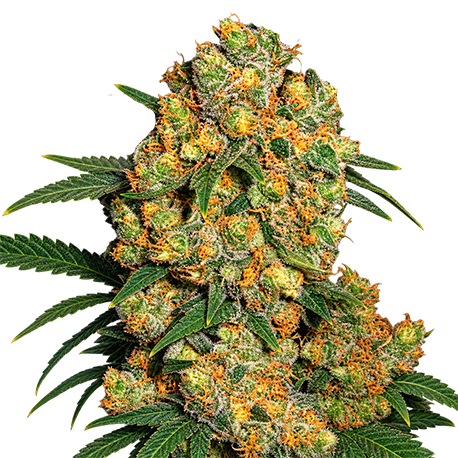
95% Indica | 5% Sativa
6–8 weeks from 12/12
Up to 20%
Below 1%
Big Bud × Secret Hybrid
from $11.00per seed View Product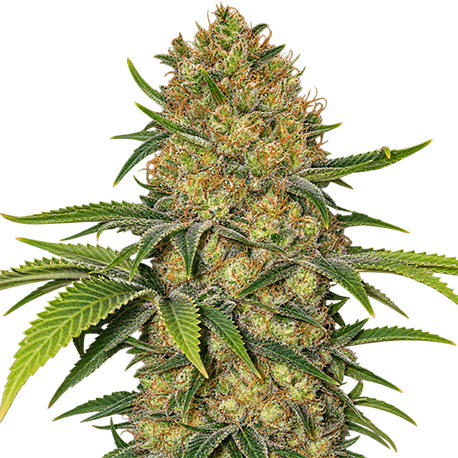
80% Indica | 20% Sativa
8-10 Weeks from 12/12
Up to 22%
Below 2%
Afghani × Skunk #1 × Northern Lights
from $11.00per seed View Product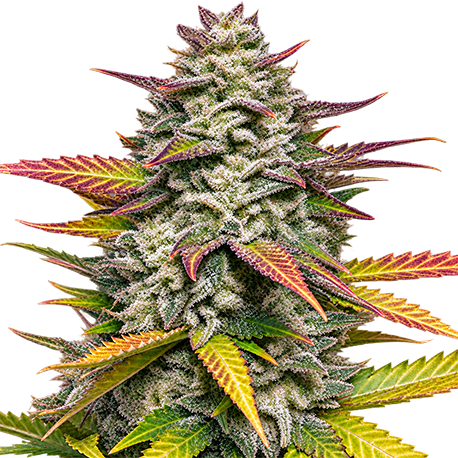
65% Sativa | 35% Indica
8–10 weeks from 12/12
Up to 20%
Below 1%
Brazilian Sativa x South Indian Indica
from $11.00per seed View Product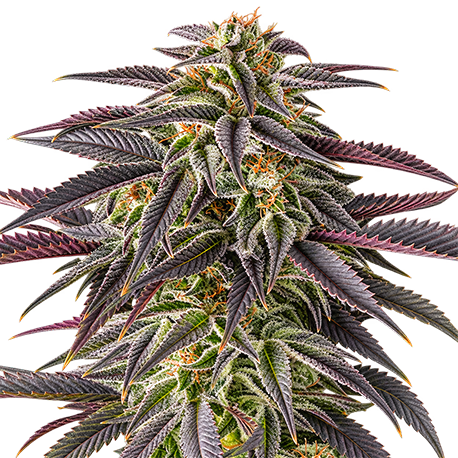
80% Indica | 20% Sativa
8-10 Weeks
Up to 20%
Below 2%
UK Cheese x Blueberry
from $11.00per seed View Product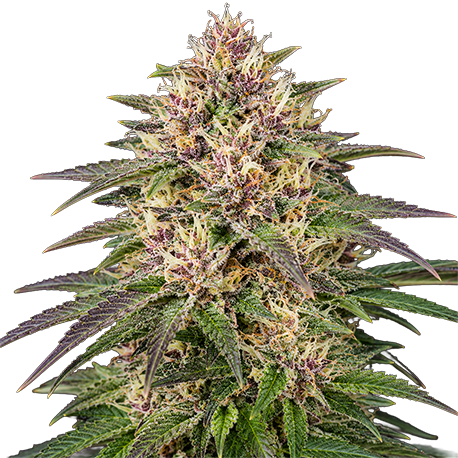
60% Sativa | 40% Indica
8–10 weeks
17–24%, averaging around 19%
Below 1%
Blueberry × Haze
from $11.00per seed View Product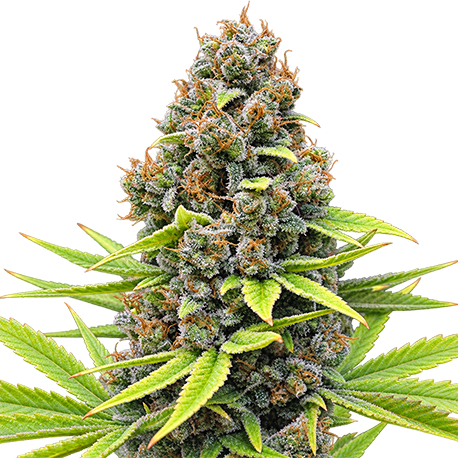

80% Indica | 20% Sativa
7–9 weeks from 12/12
Below 1%
Up to 16%
Purple Thai x Afghani x Thai
from $11.00per seed View Product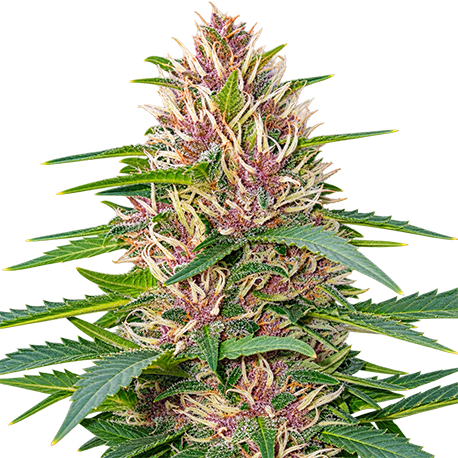
80% Indica | 20% Sativa
7–9 weeks from 12/12
Up to 22%
Below 2%
Highland Thai × Purple Thai × Afghani
from $11.00per seed View Product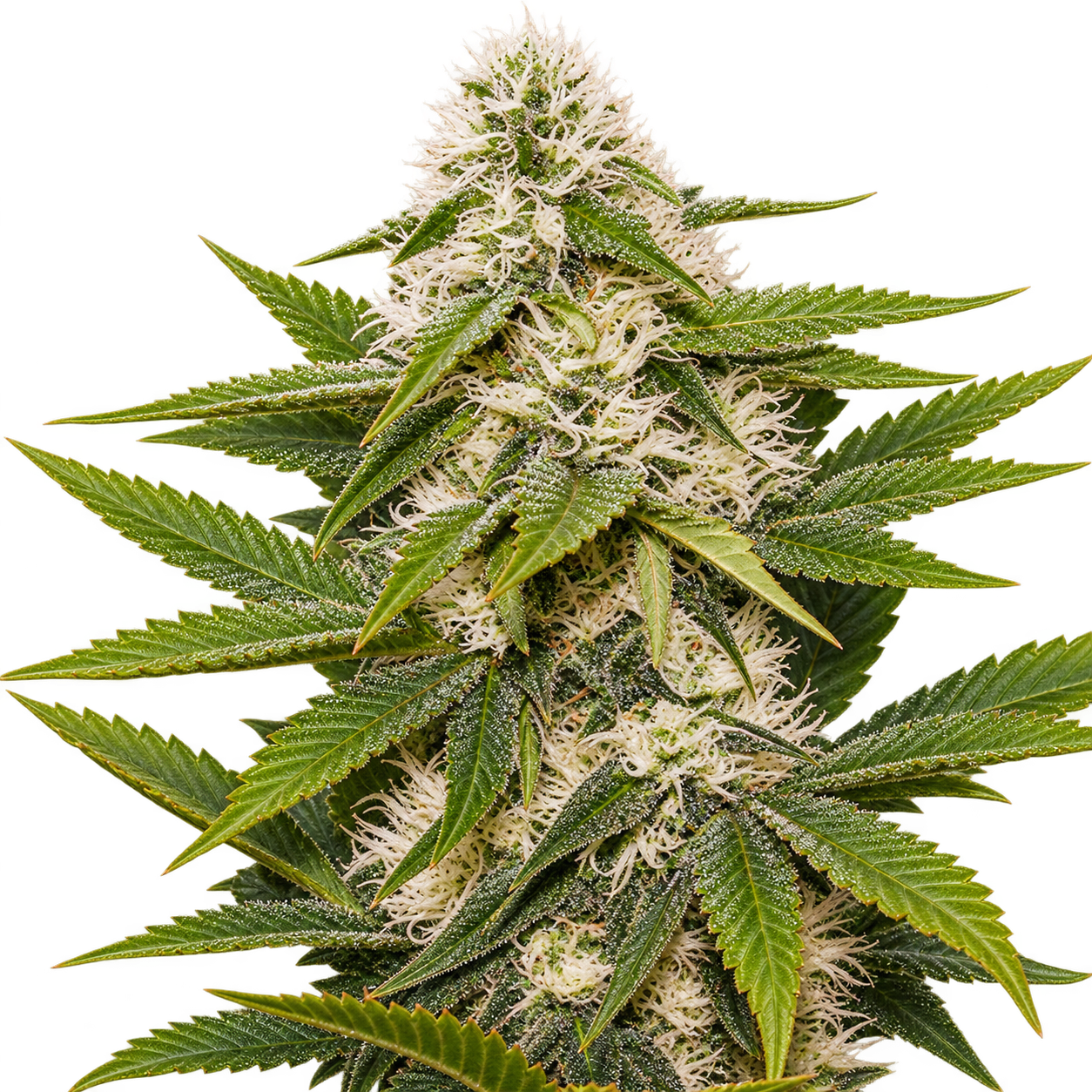
60% Sativa | 40% Indica
10-12 Weeks
20–27%, some phenotypes reaching 30%
Below 1%
Strawberry Diesel x OG Kush
from $11.00per seed View Product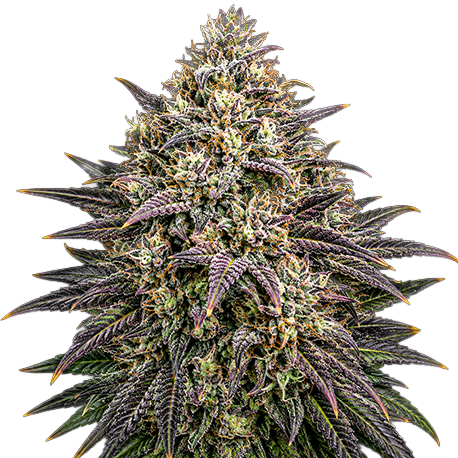
70% Indica | 30% Sativa
7-9 Weeks
Up to 20%
Below 1%
OG Kush x Bubblegum
from $11.00per seed View Product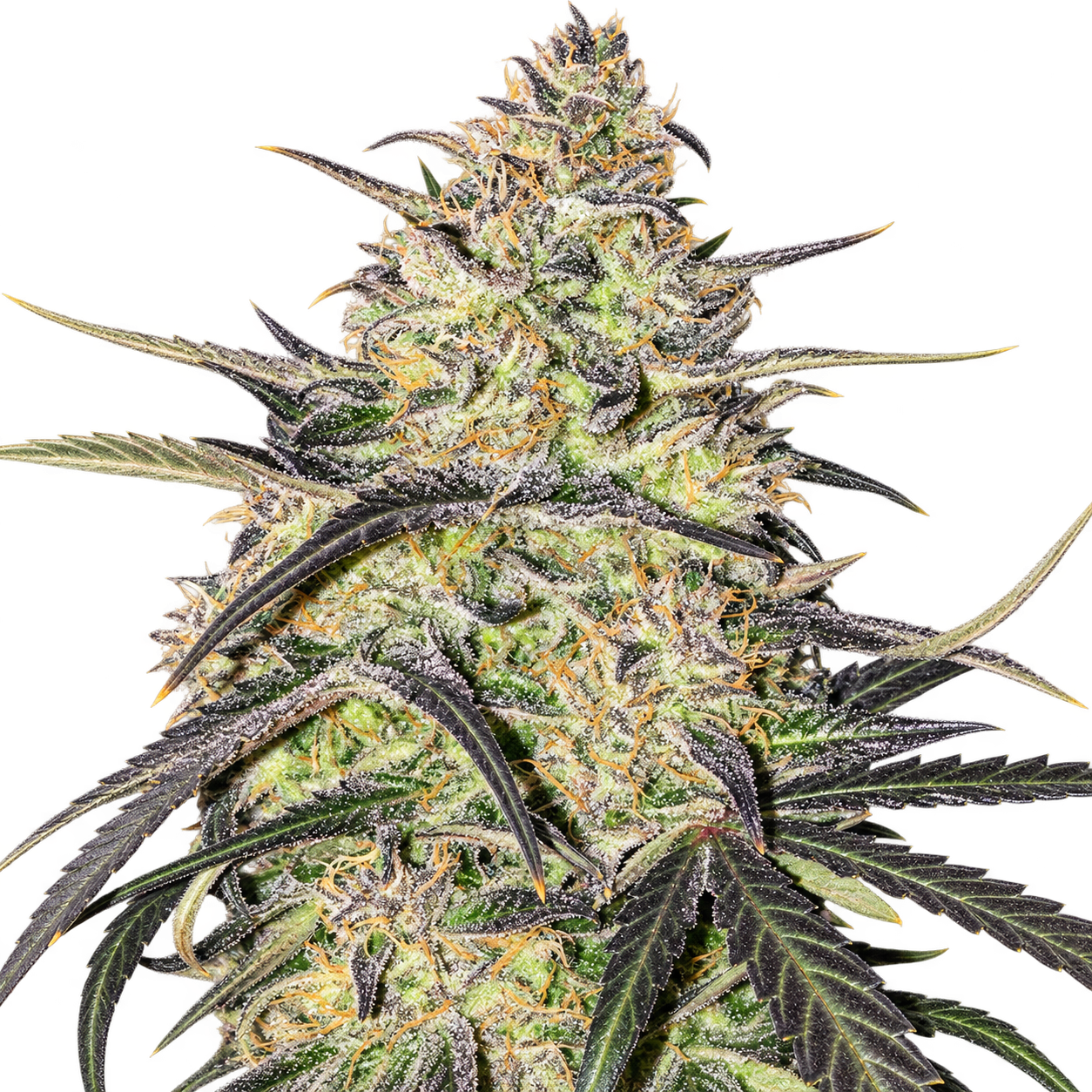
60% Indica | 40% Sativa
8-9 Weeks
Up to 19%
Below 1%
Indiana Bubblegum
from $11.00per seed View Product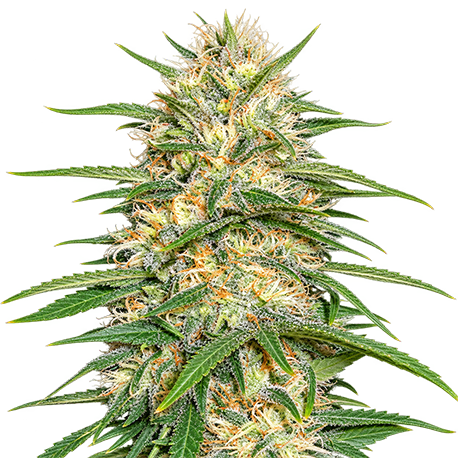
70% Indica | 30% Sativa
8-9 Weeks
Up to 17%
Below 1%
Afghani x Mexican
from $11.00per seed View Product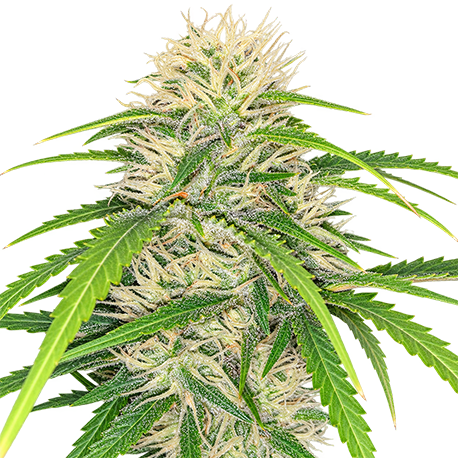
60% Indica | 40% Sativa
7–9 weeks from 12/12
Up to 22%
Below 1%
OG Kush × Trainwreck
from $11.00per seed View Product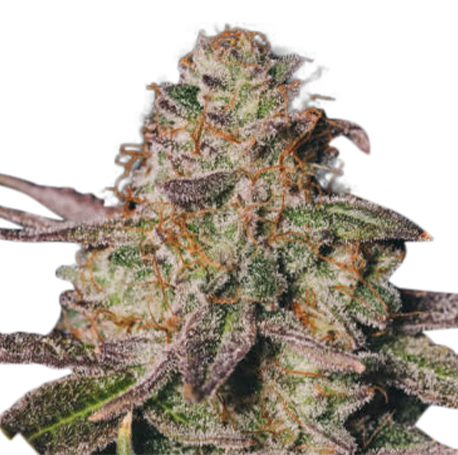
50% Indica | 50% Sativa
10-11 Weeks
Up to 10% 1:1
Up to 10% 1:1
MK Ultra x G13 Haze
from $11.00per seed View Product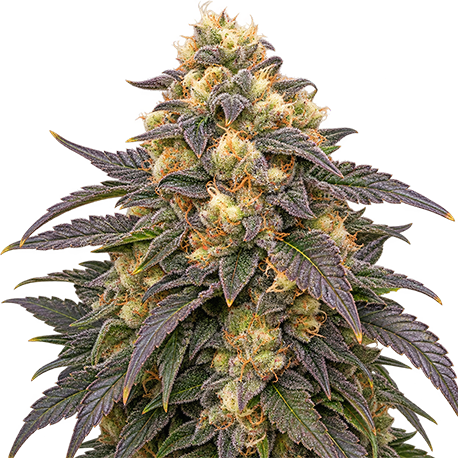
60% Indica | 40% Sativa
8–9 weeks from 12/12
Up to 26%
Below 1%
Chemdog x Green Crack
from $11.00per seed View Product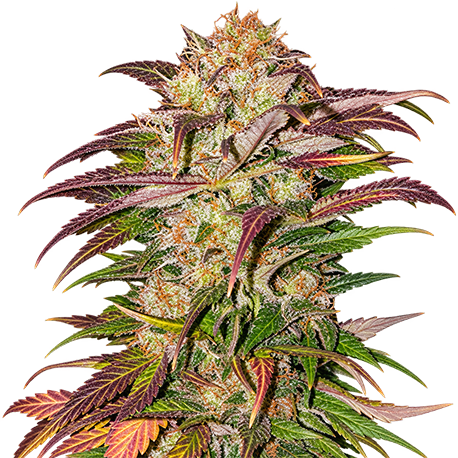
60% Indica | 40% Sativa
8–9 weeks from 12/12
Up to 23%
1%
GDP x Durban Poison
from $11.00per seed View Product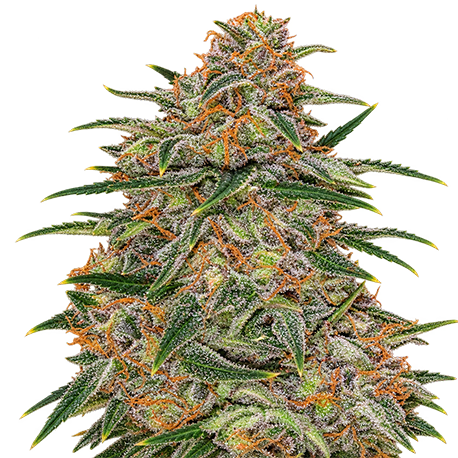
90% Sativa | 10% Indica
9 -10 Weeks
Up to 25%
0.2%
Chocolate Thai crossed with Cannalope Haze
from $11.00per seed View Product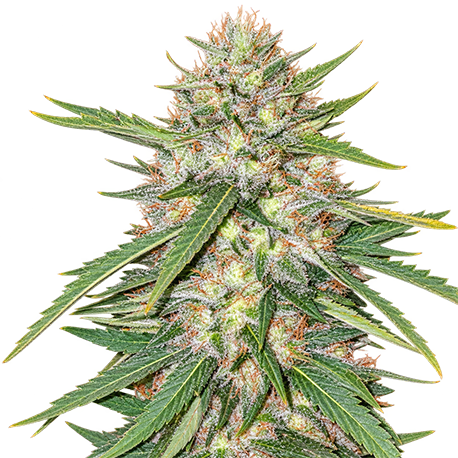
65% Indica | 35% Sativa
8–10 weeks from 12/12
Up to 23%
Below 1%
Chronic x White Widow
from $11.00per seed View Product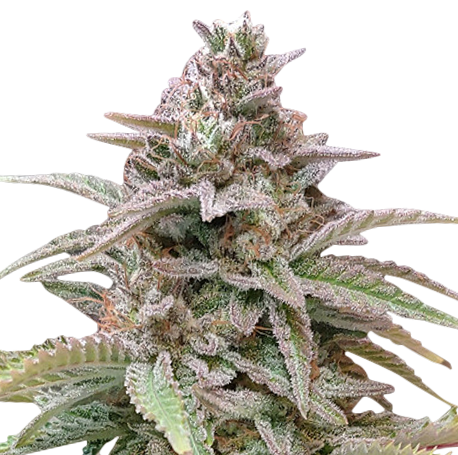
80% Indica | 20% Sativa
6-8 Weeks
Up to 27%
up to 1%
Afghan × Skunk #1
from $11.00per seed View Product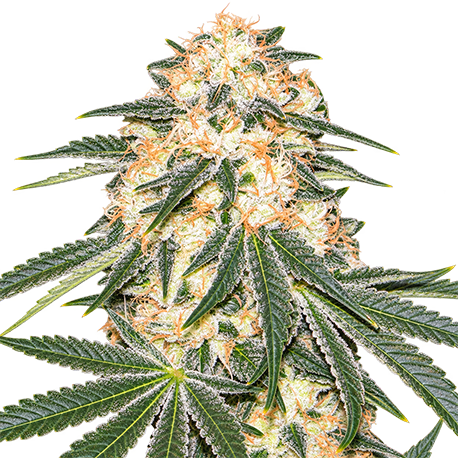
65% Indica | 35% Sativa
8–10 weeks from 12/12
Up to 25%
Below 1%
Northern Lights × White Widow
from $11.00per seed View Product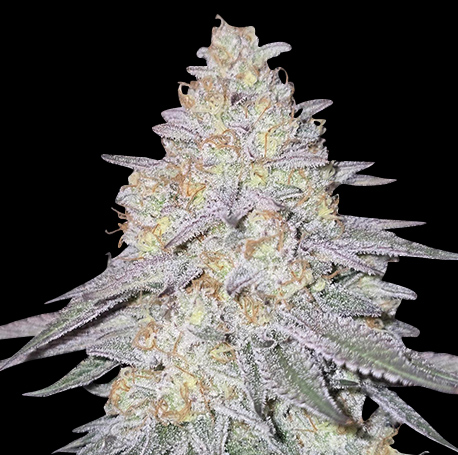
50% Indica | 50% Sativa
8-9 Weeks
Up to 30%
Below 1%
Girl Scout Cookies x Face Off OG
from $11.00per seed View ProductAuthor: Mediseed Man Editorial Team
Experience: 25 years in the cannabis seed industry
Expertise: Cannabis genetics, seed selection, and grower education in Australia
Feminised cannabis seeds are developed to reliably produce female plants, rather than a mix of male and female offspring. Because only female cannabis plants generate cannabinoid-rich buds suitable for harvest, this breeding approach has become essential for growers focused on flower production.
Breeders create feminised seeds by encouraging a female plant to produce pollen, usually using careful stress or treatments, and then fertilising another female plant with it.
With two female parent plants, nearly all resulting seeds are female, typically 95%-99% in stable conditions.
Not genetically modified: Feminised seeds are not genetically modified. This process uses selective breeding, not lab-based genetic modification. Over the decades, feminisation methods have improved and are now highly reliable when properly applied.
Same growth as regular seeds: Feminised seeds grow like regular cannabis seeds, except they almost always become female plants.
Certainty about plant sex: The main difference with feminised seeds is certainty about plant sex. For new growers, this means less effort in identifying and removing males early to avoid pollination.
Miss one male, and your female plants can become pollinated, redirecting energy from buds to seed production. Feminised seeds greatly reduce this risk, so you can focus on improving conditions for healthy bud growth.
Knowing what to expect at each growth stage helps you plan effectively and set realistic expectations. While feminised seeds follow the same timeline as other cannabis types, understanding their typical requirements gives you confidence that your plants are developing normally.
Once conditions are right, germination usually takes 1–3 days. As soon as seeds crack open and taproots appear, they’re ready to move into the seedling stage, where initial root and leaf development begin.
Planting seeds directly into moist soil or coco coir avoids transplanting, but makes close monitoring more difficult.
After seedlings sprout and develop their first ‘true’ serrated leaves, they fully enter the seedling stage. As roots become well-established and new leaf growth accelerates, the plants transition into the vegetative stage.
Aim to provide 18 to 24 hours of light per day and maintain moderate humidity levels around 50 to 60 per cent. Keep the soil lightly moist, taking care not to overwater, as seedlings are particularly sensitive at this stage.
During the vegetative stage, plants focus on developing strong roots, stems, and leaves. For photoperiod strains, this phase continues until you reduce the light cycle to 12 hours per day, which triggers the transition into the flowering stage.
This stage is ideal for methods such as low-stress training or topping, which help shape the canopy to improve light penetration and yield.
When you switch to a 12 hours on, 12 hours off light schedule, feminised plants receive the signal to enter the flowering stage. At this point, growth slows, and the plant shifts its energy toward developing buds, marking the clear transition from the vegetative to the flowering phase.
The precise flowering time depends on strain genetics—indica-dominant feminised strains may finish in 7-8 weeks, while sativa-dominant varieties often require 10-12 weeks or more.
During flowering, plants need less nitrogen and more phosphorus and potassium than during vegetative growth.
You can identify maturity when most trichomes appear milky white, with some turning amber. When most trichomes appear milky white, with some turning amber, your plants have reached peak maturity and are ready for harvest.
The drying process should occur at temperatures of 60 to 65°F (15-18°C) and humidity levels of 45 to 55 per cent for 7 to 14 days. Once dried, transfer the buds to curing jars, where they will continue to develop aroma and potency over several weeks.
These timelines represent averages for healthy feminised cannabis plants, but each strain has its own growth rhythm and requirements. Knowing the characteristics of your chosen feminised cultivar helps you plan and set expectations effectively.
The primary advantage of feminised cannabis seeds is efficiency. Each seed has the potential to produce harvestable flowers, which means you can avoid dedicating space and resources to non-budding plants and reduce the need for constant monitoring for male plants.
With regular seeds, about half of your plants are likely to be male, so roughly half of your containers, soil, nutrients, water, and electricity go toward plants that will not produce buds.
Feminised seeds largely eliminate this inefficiency. For example, if you plant 10 feminised seeds, you can typically expect 8 to 10 female plants, depending on conditions.
This efficiency is especially important for indoor growers, where space, lighting, and electricity are often limiting factors. With feminised seeds, you can use fewer containers and be confident that most, if not all, will produce usable plants.
By removing the need to worry about plant sex during early flowering, feminised seeds simplify the growing process. With regular seeds, growers must carefully inspect each plant for male pollen sacs during the first two to three weeks of flowering.
Growers must identify and remove male plants before they release pollen, as missing even one can pollinate the entire crop. With feminised seeds, this scenario is much less likely, freeing you to focus on optimising your growing environment instead of constantly monitoring for male plants.
Feminised seeds are usually produced from stable breeding lines with well-documented characteristics, so that you can expect more uniform growth patterns.
When growing several plants of the same feminised strain, they will generally have similar heights, flowering times, and bud structures.
This uniformity makes canopy planning easier, especially for indoor growers in tenting or tent-limited spaces. It also helps with timing. When planning an outdoor grow around seasonal changes, it helps to know the flowering time.
Most plants flower in a predictable window, usually 8 to 12 weeks. This helps you match strain selection to your local climate.
For those new to growing, the learning curve can be steep, and identifying plant sex adds another layer of complexity. Feminised seeds help reduce this challenge by removing one of the most common early-stage mistakes: missing a male plant that could pollinate your crop.
It’s still important to remain attentive, as stress-induced hermaphroditism can occur in any cannabis genetics. However, the likelihood of encountering male plants is much lower with feminised seeds.
For new Australian growers, this added confidence can make the difference between a successful first grow and a frustrating experience.
When every plant in your crop is female, all energy flows toward bud development. Male plants from regular seeds produce no buds and actively compete with females for light, nutrients, and space. This competition continues for weeks until you identify and remove the males.
By eliminating this competition, feminised seeds give female plants a more favourable environment throughout their life cycle. Improved growing conditions often translate to better harvest outcomes.
Read the complete guide on cannabis roots.
While these benefits make feminised seeds appealing for many Australian growers, they are not the best fit for every situation. Recognising the limitations of feminised seeds can help you make an informed choice and avoid potential frustrations later on.
One of the most important limitations is that feminised plants will not produce seeds unless you pollinate them deliberately. If saving seeds for future grows is one of your goals, feminised seeds may not suit your needs. If your goal includes saving seeds for future grows, feminised seeds may not be the right choice.
For those interested in saving seeds, regular seeds are essential, as they maintain a natural mix of male and female plants for future breeding.
If your interest lies in developing new strains through selective breeding, feminised seeds can be a significant limitation. Traditional cannabis breeding relies on crossing male and female plants to create new genetic combinations, followed by selecting for desirable traits over several generations.
Feminised seeds produce only female plants, which eliminates the male side of the breeding equation. While advanced breeders might use specialised techniques to circumvent this, these methods increase the risk of unstable genetics and hermaphroditism. For most breeding projects, growers still prefer regular seeds.
Uniformity in feminised seeds can be both a benefit and a drawback. While stable breeding lines offer consistent characteristics and predictability, this same uniformity results in reduced genetic diversity within your crop.
Some growers appreciate the natural variation found in regular-seed plants, as different phenotypes can display unique strengths, resilience, or desirable traits.
With regular seeds, you might discover an exceptional plant in your crop that can serve as a mother for future clones or breeding projects. In contrast, feminised seeds—especially from specific strain lines—offer more predictable but less varied outcomes.
It’s important to be transparent: No cannabis seed guarantees a female plant in every environment — transparency matters here. Modern feminised breeding delivers high reliability, yet cannabis plants respond to their environment, and environmental stress can influence trait expression during growth.
Stress factors like light leaks, excessive heat, interrupted dark cycles, nutrient imbalances, or physical damage can occasionally cause plants to develop male flowers, even in feminised genetics.
This phenomenon, known as hermaphroditism, can emerge in plants from both feminised and regular seeds when they experience significant stress.
Feminised plants are genetically female, but under stress, they may develop male traits and potentially self-pollinate your crop. This risk is higher when genetic instability or suboptimal growing conditions are present.
Feminised seeds from reputable seed banks are often more expensive than regular seeds, reflecting the additional work involved in breeding and quality control.
For small-scale growers, this price difference may be negligible, but for larger operations, the costs can become significant.
Some experienced growers actively seek genetic novelty and variation, enjoying the process of discovering unique phenotypes that can emerge from regular seed batches.
If you value exploring genetics and discovering unexpected traits, feminised seeds may seem too predictable. While they are excellent for delivering reliable results, they do not provide the same level of genetic diversity that some cultivators enjoy.
For many Australian growers, especially those focused on efficient flower production in indoor or controlled outdoor environments, these limitations may not be a significant concern.
However, if your priorities include breeding, seed saving, or maintaining genetic diversity, regular seeds may be a better fit for your objectives.
Read how much sunlight a cannabis plant needs.
The choice between feminised and regular cannabis seeds ultimately comes down to your goals, experience level, and growing situation. Here’s a straightforward comparison to help you evaluate which option best aligns with your priorities.
For most Australian growers focused on flower production, feminised seeds offer the best balance of efficiency and simplicity.
Feminised Seeds
Regular Seeds
Feminised seeds are ideal when:
Regular seeds may be better when:
Read about cannabis phenotypes and genotypes.
Choosing the right strain is just as important as deciding between feminised and regular seeds. Different feminised strains have unique characteristics and are better suited to certain growing environments, climates, and personal preferences. Below are several feminised cannabis strains that have shown strong performance in Australian conditions:
These figures are estimates based on healthy plants grown in optimal conditions. Your actual results will depend on factors such as strain selection, growing method (soil, coco, or hydroponics), light intensity, nutrient management, and your specific environment. Treat these numbers as general guidelines rather than guarantees.
The best genetics for your grow will depend heavily on your local environment. Australian growers encounter a wide range of conditions—from tropical regions in the north to temperate zones in the south, as well as arid interiors and coastal climates—so your local climate should guide your choices in strain selection and timing.
Indoor growing allows you to control light cycles, temperature, humidity, and airflow, which is especially valuable for photoperiod feminised seeds.
By managing the transition from vegetative to flowering with your light schedule, you can grow year-round, independent of seasonal changes.
This flexibility allows you to match strain flowering times to your own schedule, rather than being limited by outdoor seasons.
For indoor growers, feminised seeds are often the preferred choice, as space is at a premium and efficiency is a top priority. Ideally, every plant you grow should contribute to your harvest.
Outdoor cultivation in Australia brings its own set of challenges and opportunities. For example, coastal areas in Victoria and New South Wales offer mild climates but have shorter outdoor growing seasons compared to regions like Queensland or the Northern Territory.
In southern regions, choosing fast-finishing feminised strains with a 7 to 8 week flowering period is important to avoid late-season weather issues. In contrast, northern areas with longer growing seasons allow the selection of genetics that require more time to flower or yield more.
Seasonal timing: Plan your Cannabis grow calendar around the arrival of spring warmth and the onset of autumn weather in your region, as these can impact your harvest.
Local climate: In humid coastal areas, select for mould resistance; in hot, dry regions, select for heat-stress tolerance.
Sunlight exposure: While growers in the northern hemisphere often worry about insufficient light, Australian growers may need to manage excessive UV exposure and heat stress during the summer peak.
Autumn weather: Late-season rain in southern regions can jeopardise harvests, so it’s important to choose strains that finish flowering before adverse weather typically arrives.
Read how to protect your outdoor grow
Feminised cannabis seeds are highly reliable — typically 95-99% female under optimal growing conditions — but no seed can be guaranteed.
While modern breeding methods have made feminised genetics extremely stable, Cannabis is a responsive plant, and environmental stress can occasionally influence trait expression.
No, this is a common misconception. Feminised seeds are produced through breeding, not genetic engineering. The process involves using pollen produced by a female plant to fertilise another female plant, creating seeds with only female genetic input.
This is fundamentally different from genetic modification, where DNA is altered in a laboratory. Breeders have been developing feminisation techniques for decades, using the plant’s natural reproductive systems rather than introducing foreign genetic material.
Both feminised and regular cannabis seeds can hermaphrodite under stress — the risk isn’t exclusive to feminised genetics. Stress factors like light leaks, heat stress, interrupted dark cycles, physical damage, or nutrient problems can trigger male traits in cannabis plants regardless of their genetic background.
However, because feminised plants carry all-female genetics, any hermaphroditism that occurs can self-pollinate the entire crop. In contrast to regular seeds, you typically have some males present anyway.
Yes, feminised cannabis seeds can perform well outdoors in Australia when you match strain selection and timing to your local climate.
In warmer, longer-season regions (northern New South Wales, Queensland, parts of Western Australia), growers can use a wide range of feminised genetics, including slower-flowering sativas with high yield potential.
In cooler southern regions with shorter seasons (such as Tasmania and Victoria), fast-finishing indica-dominant strains and careful seasonal timing become critical.
No. Even within stable feminised genetics, natural variation persists among plants. Cannabis plants exhibit phenotypes — different physical expressions of the same genetics — meaning two feminised plants from the same seed batch can grow differently in height, structure, bud formation, and occasionally potency.
However, feminised strains from reputable seed banks are selected for relative uniformity, so while some variation exists, the plants from a given strain line will typically share more similarities than differences.
The primary advantage is efficiency — feminised seeds ensure that nearly every plant you grow has the potential to produce harvestable buds. In practice, this means you’re not wasting space, nutrients, electricity, and effort on plants that will never contribute to your harvest.
The secondary advantage is simplified management; with regular seeds, you must vigilantly monitor during early flowering to identify and remove male plants before they pollinate your females.
Feminised seeds eliminate this concern, allowing you to focus your attention on optimising growing conditions rather than policing plant sex.
Yes, feminised seeds are often an excellent choice for beginners because they eliminate one of the most common early-stage complications in Cannabis growing: identifying and removing male plants during flowering.
Missing a single male plant can result in pollination and seedy buds, which can be frustrating for new growers who don’t yet know how to distinguish male from female pre-flowers.
Feminised seeds dramatically reduce this risk, allowing beginners to focus their learning energy on the fundamentals of plant care — light, nutrients, water, temperature — rather than plant sex identification.
That said, beginners still need to understand proper growing techniques; feminised seeds reduce one source of complexity, but don’t guarantee success without good growing practices.
The total time from feminised seed to harvest typically ranges from 3-4 months for fast-flowering strains to 4-5 months for slower genetics, depending on the strain and growing method.
Germination takes 1-3 days; the seedling stage lasts 1-2 weeks; and vegetative growth typically spans 3-6 weeks before flowering begins.
The flowering stage itself varies most between strains — fast-finishing indica-dominant feminised strains may complete flowering in 7-8 weeks, while sativa-dominant genetics can require 10-12 weeks or more.
After harvest, drying takes 1-2 weeks, and curing adds another 2-4 weeks, bringing your buds to peak quality.
Photoperiod feminised seeds also require you to manually trigger flowering by changing your light schedule from 18/6 to 12/12, which adds planning flexibility but requires your deliberate action.
If you’re new to growing, understanding the full plant lifecycle helps you anticipate what’s coming at each stage.
Read the seven weed plant stages explained.
Feminised cannabis seeds have transformed the approach many growers take to cultivation, particularly in Australia’s varied growing environments.
By greatly reducing uncertainty about plant sex and maximising the efficiency of your available space and resources, feminised seeds make it easier to achieve consistent, high-quality harvests.
Ultimately, the best choice depends on what you value most in your growing experience. If your priorities include efficiency, predictability, and a simpler process—whether you’re working with limited indoor space, planning outdoor crops around the Australian climate, or aiming for a smoother first grow—feminised cannabis seeds offer clear advantages. They allow you to focus on plant health and optimisation, rather than constant crop management.
However, if your interests include breeding, genetic experimentation, or seed saving, the limitations of feminised seeds may be significant for your goals. There is no universal right answer—the best option is the one that aligns with your objectives, environment, and experience level.
For most Australian growers just starting, we recommend focusing on high-quality feminised strains well-suited to your local climate and available grow space. Reduced complexity and increased efficiency can help you build a strong foundation with fewer potential challenges to manage early on.
As you gain experience and clarify your priorities, you’ll be better equipped to decide whether feminised or regular seeds are the best fit for your evolving needs.
If you’re interested in exploring feminised cannabis seed options tailored to Australian growing conditions, our 25 years of experience in the cannabis seed industry can help you identify strains that align with your space, climate, and goals.
The journey from seed to harvest is rewarding, and choosing genetics that suit your situation can make it even more enjoyable.

2026 2 March
Picture a modern Australian evening: a cork twists from a wine bottle, a jar clicks…

2026 28 February
This paper contributes to the sensory analysis of wine and cannabis by examining their shared…
2026 27 February
If you're asking, "Which cannabis seeds can I legally buy in Australia, and why does…